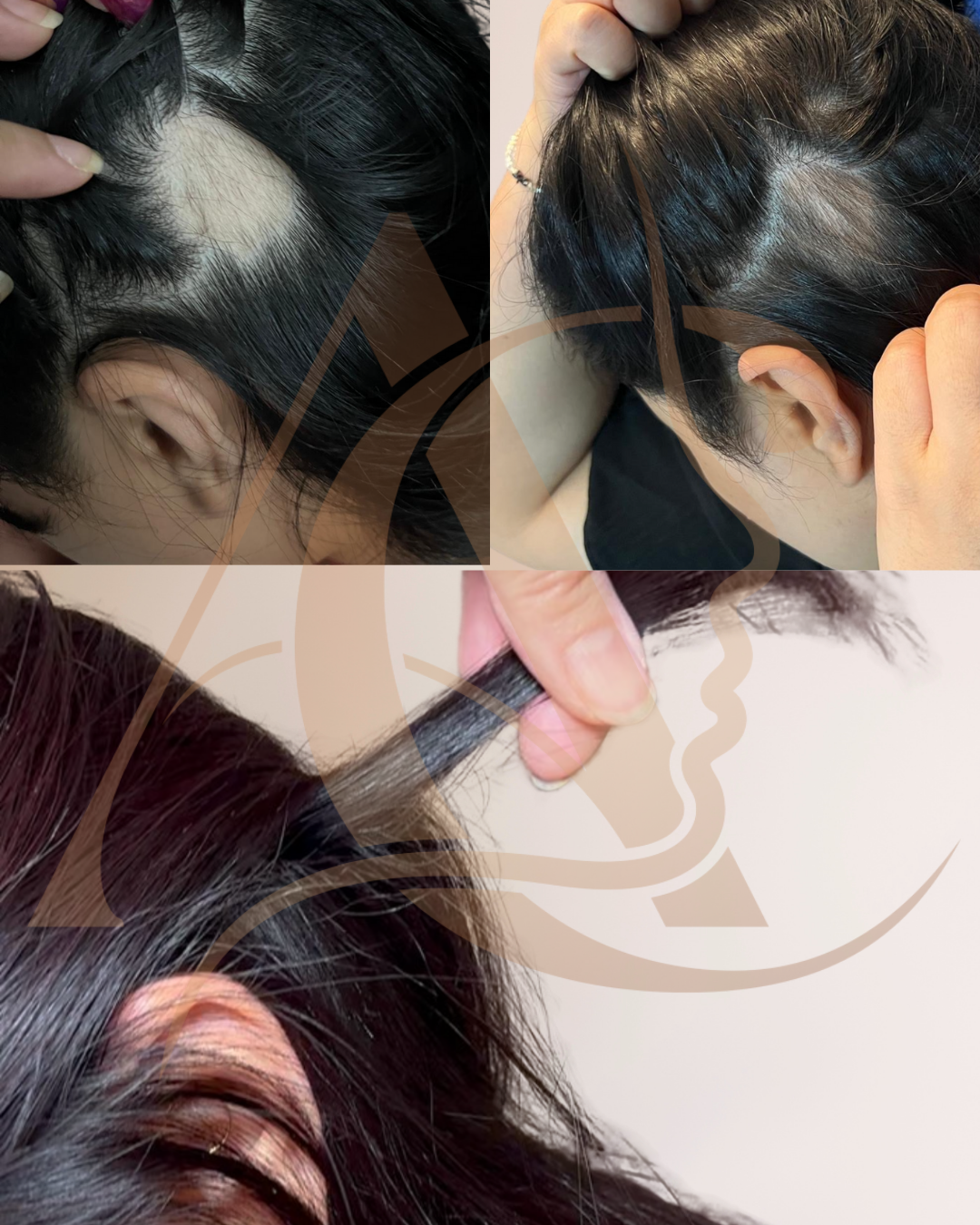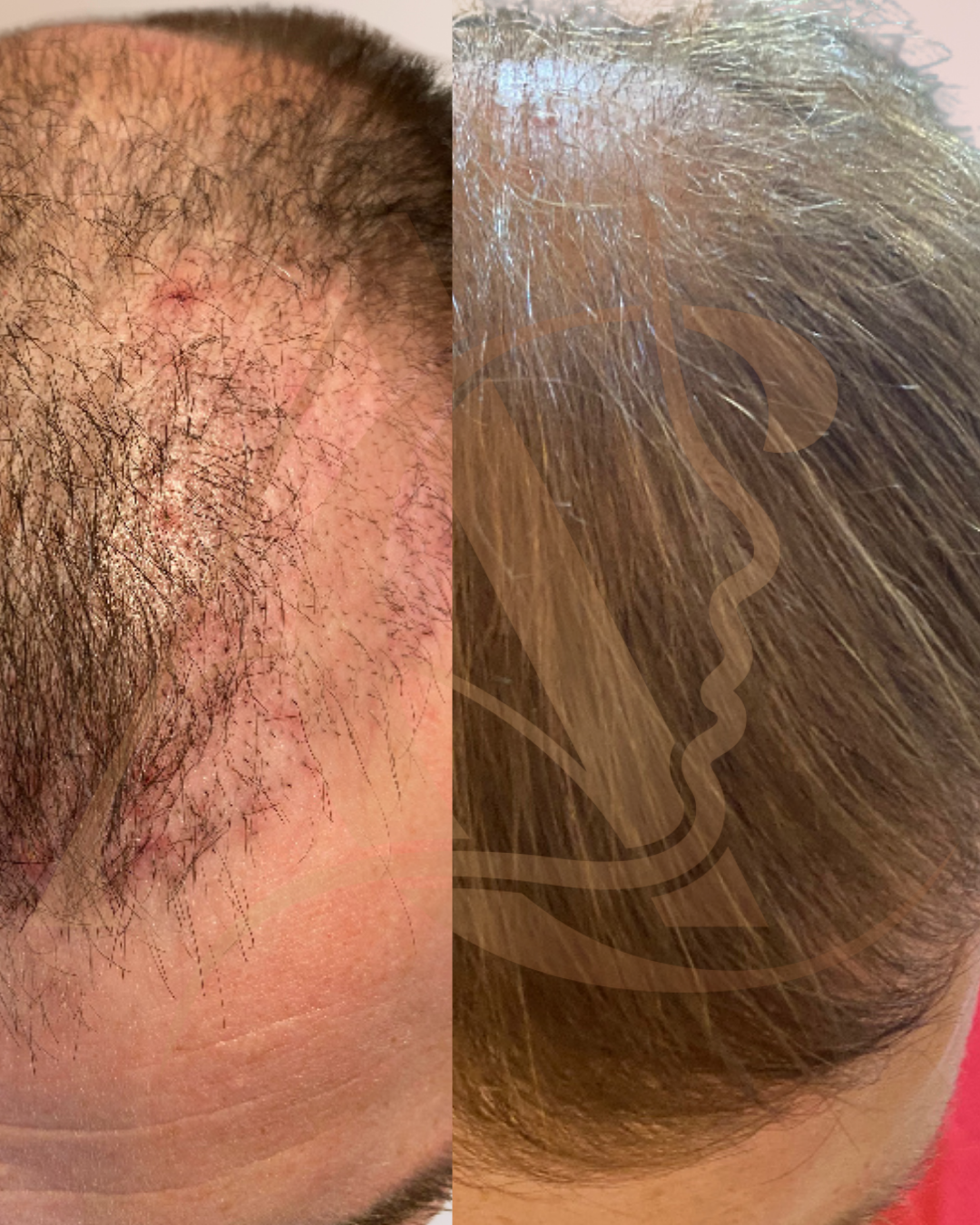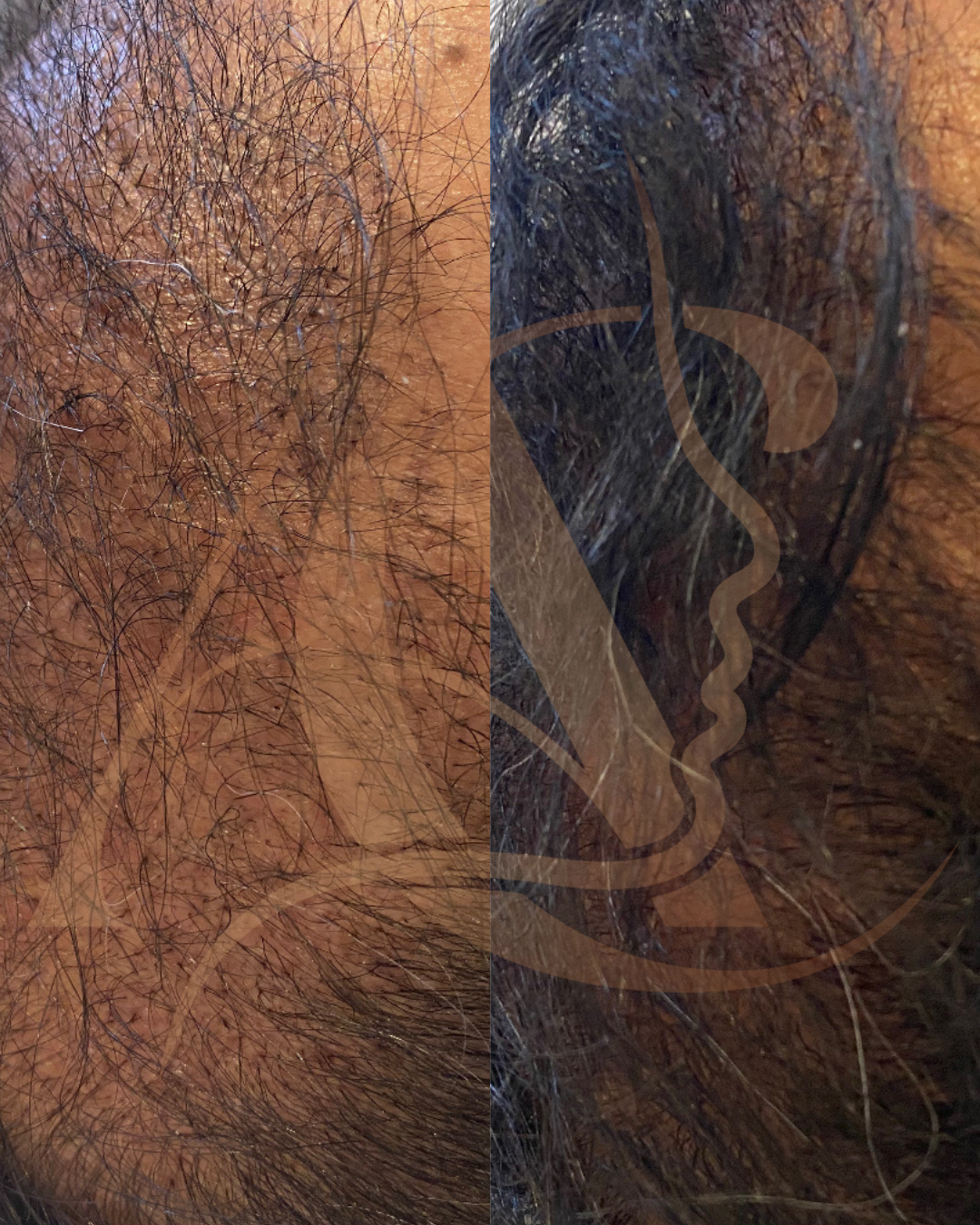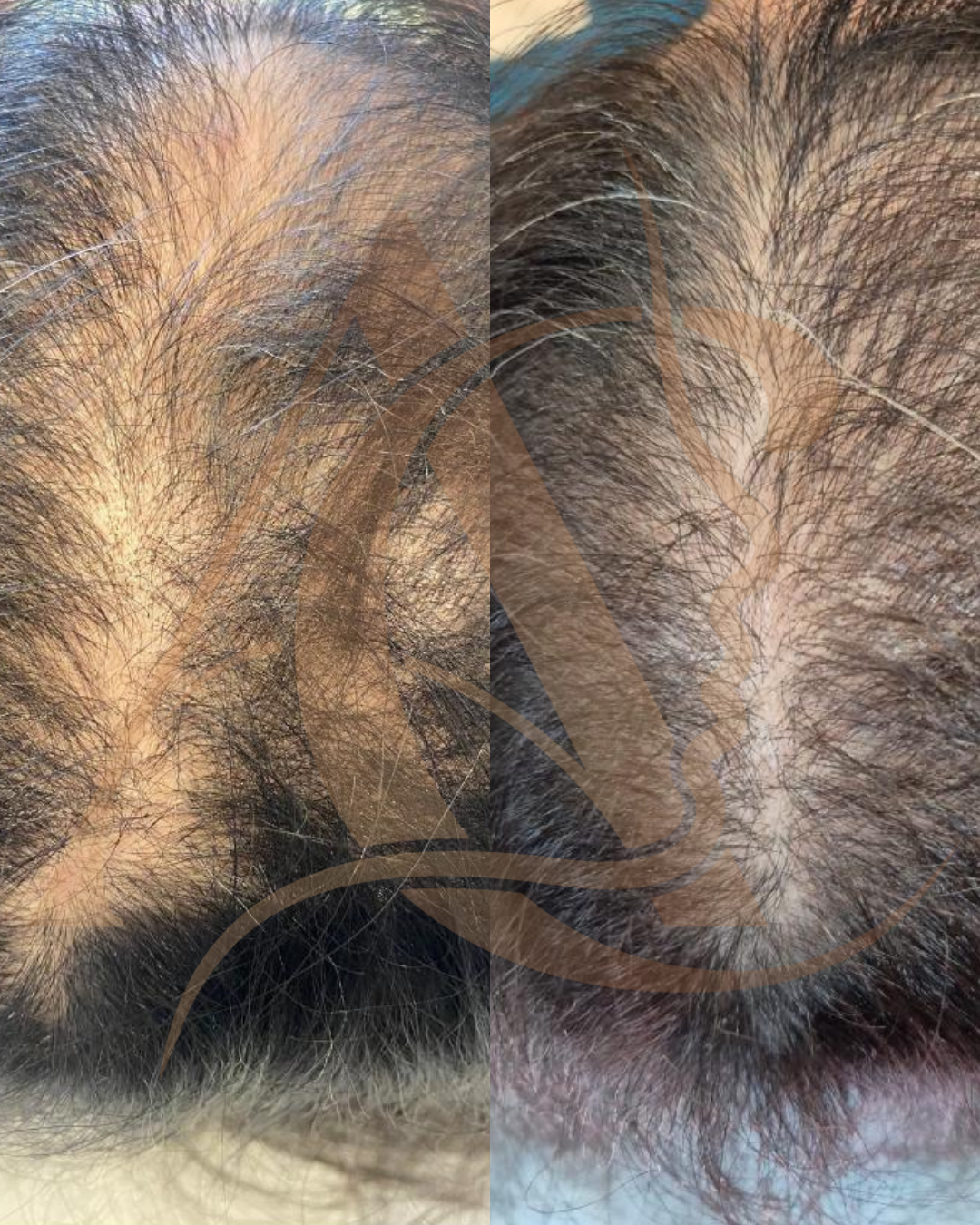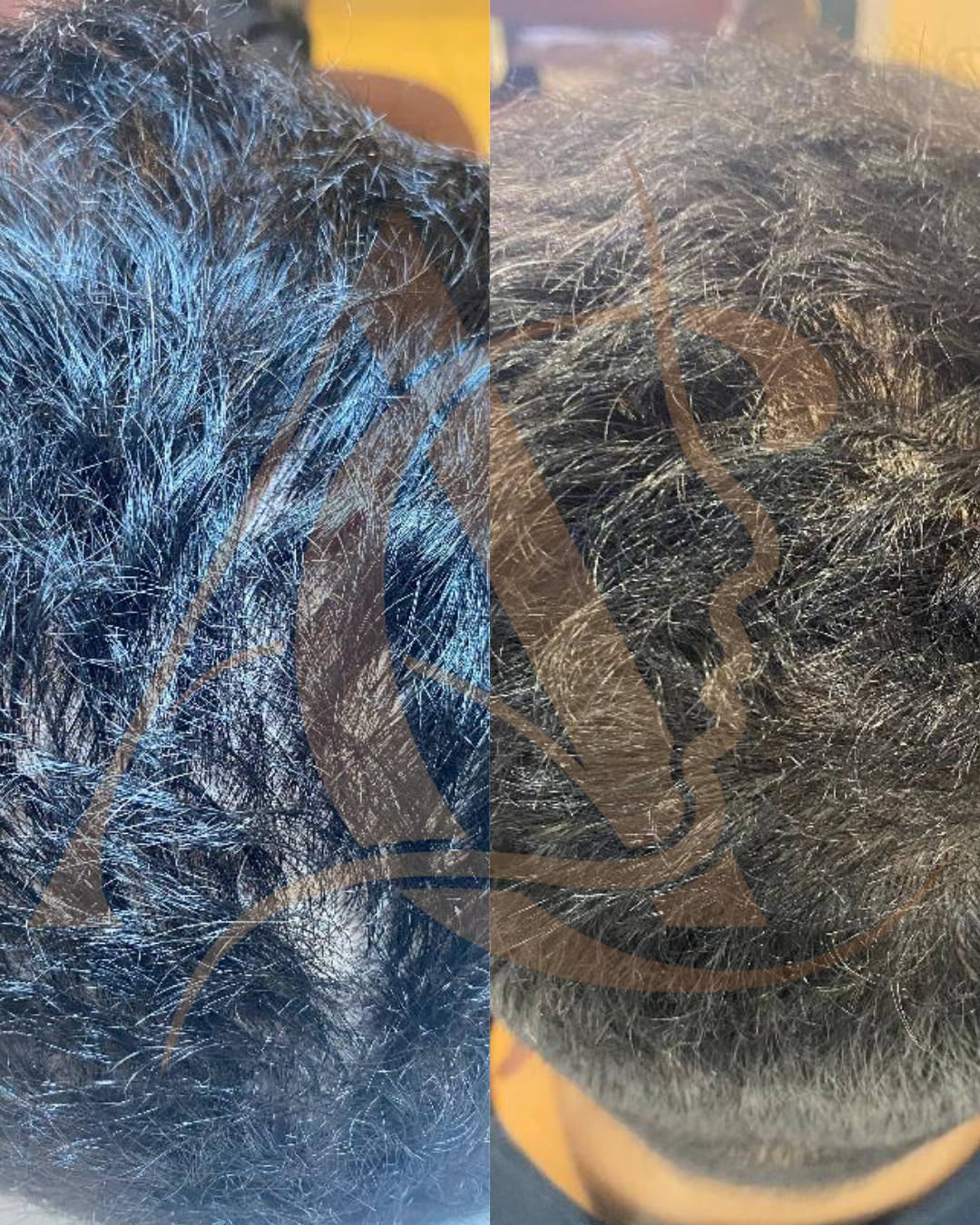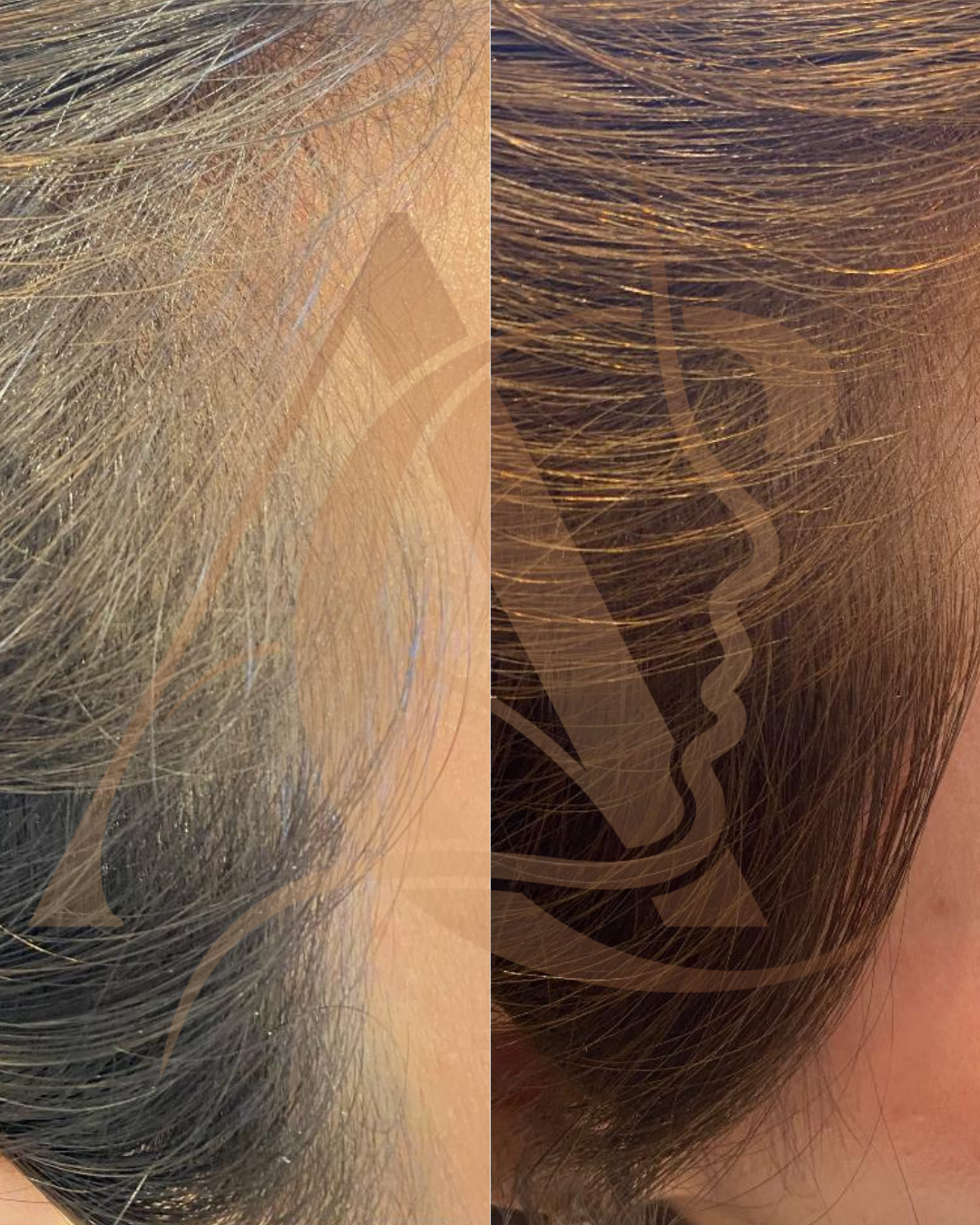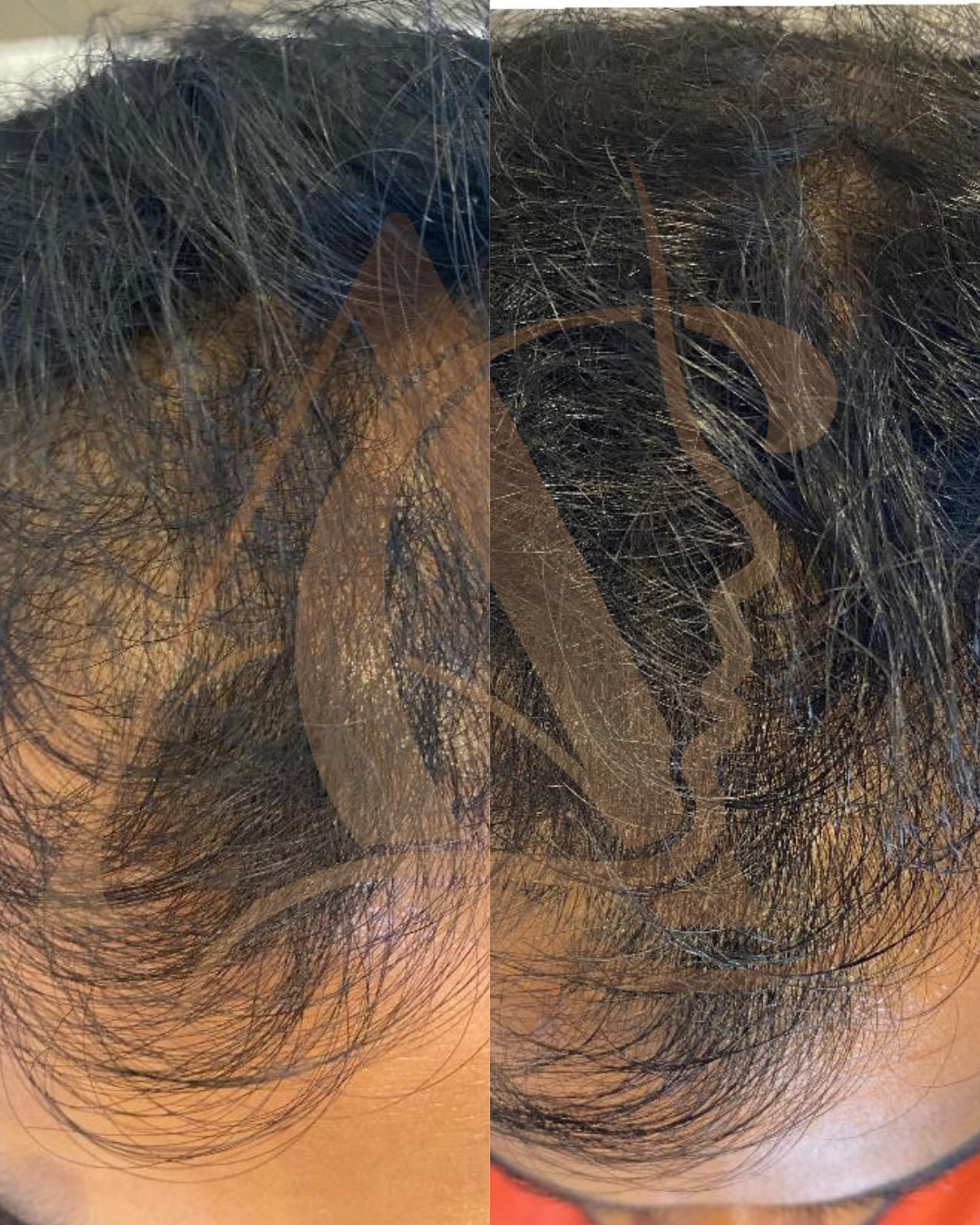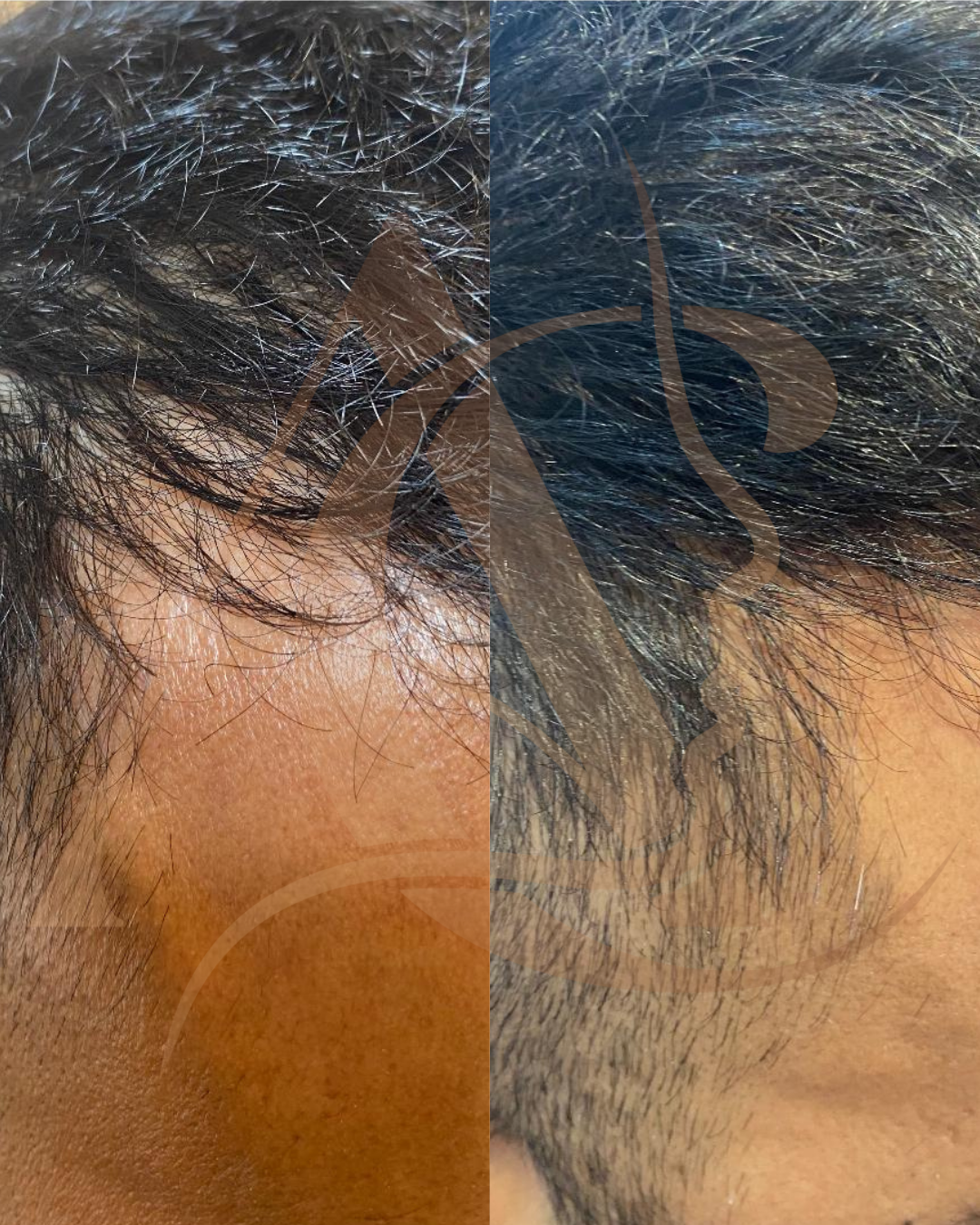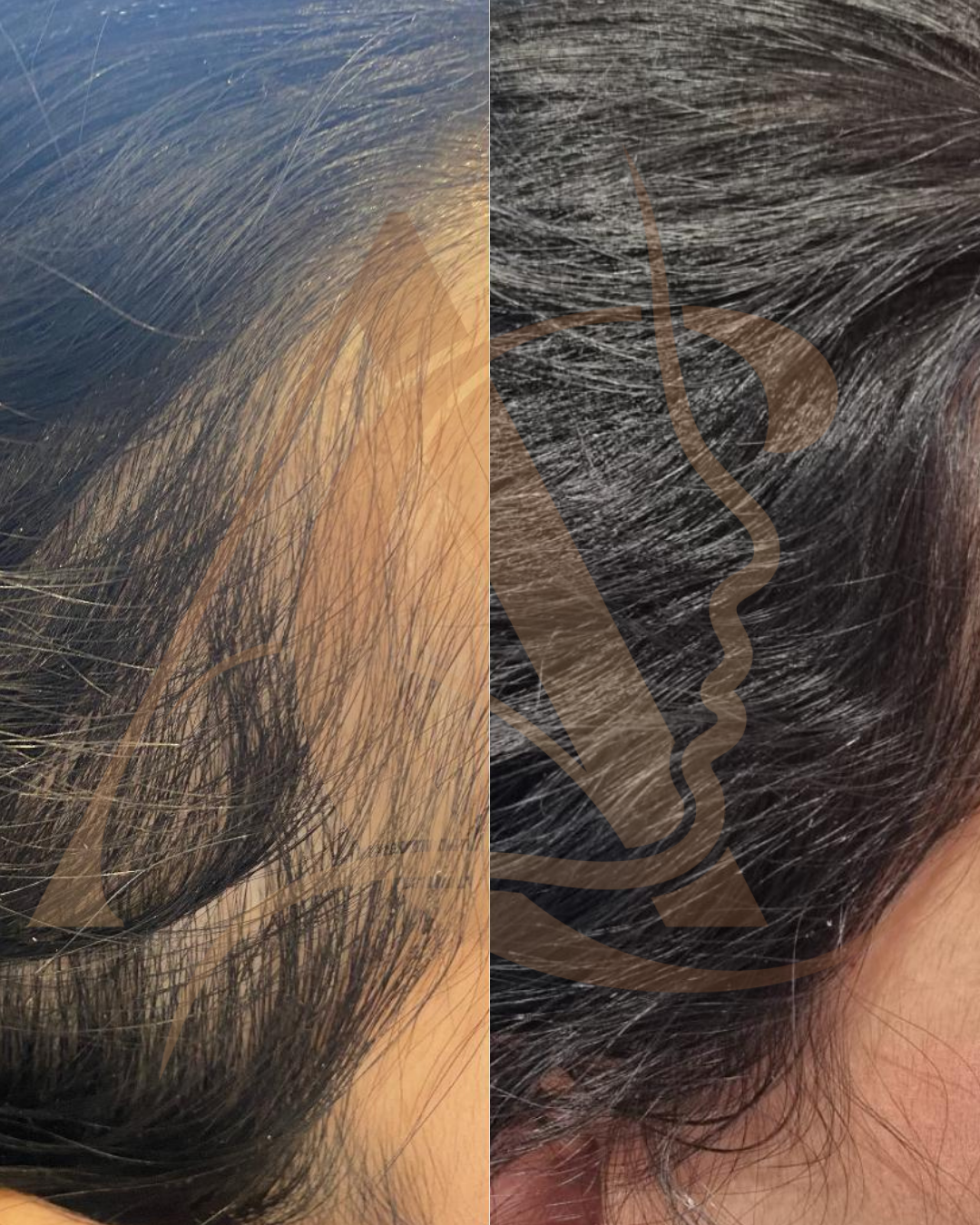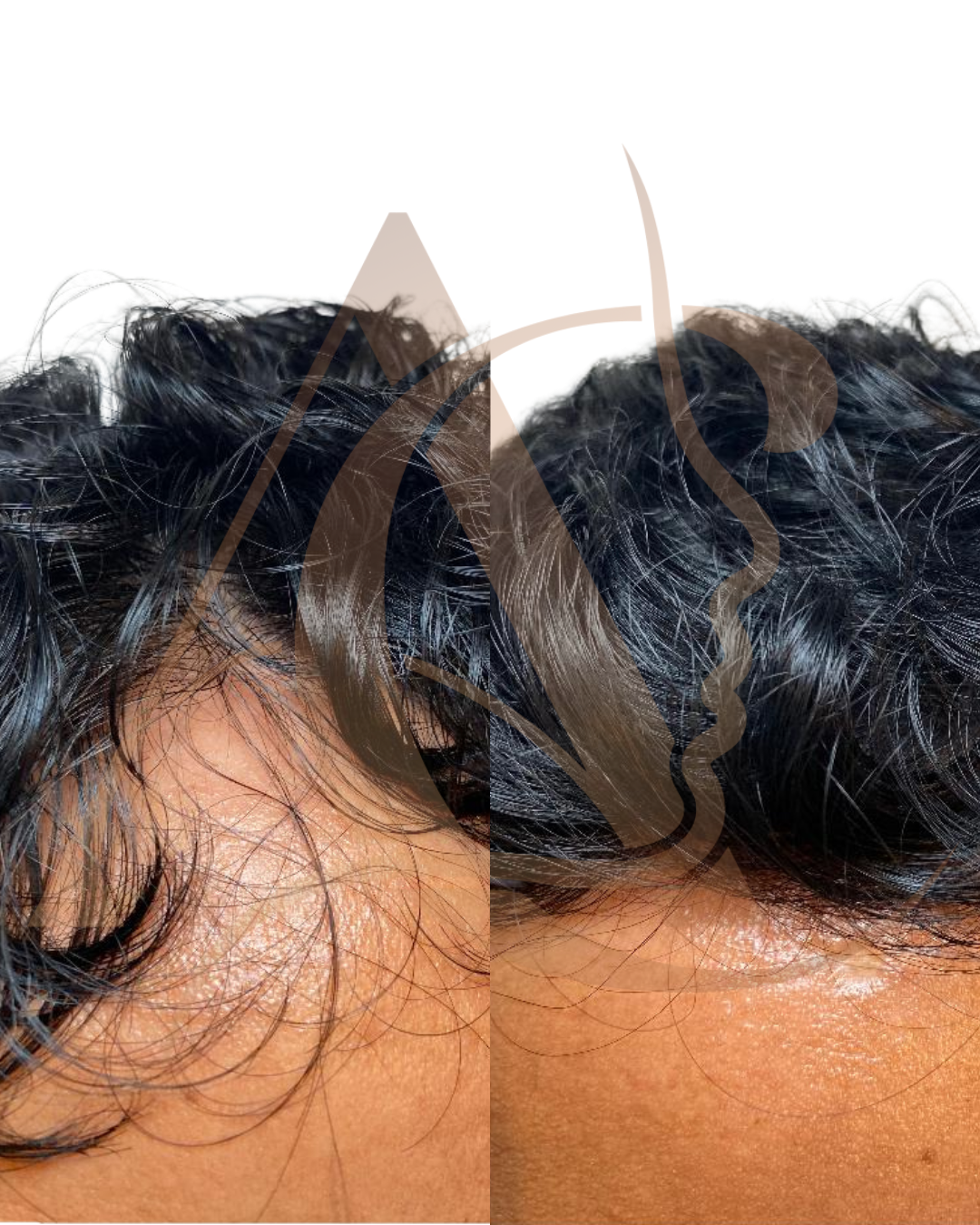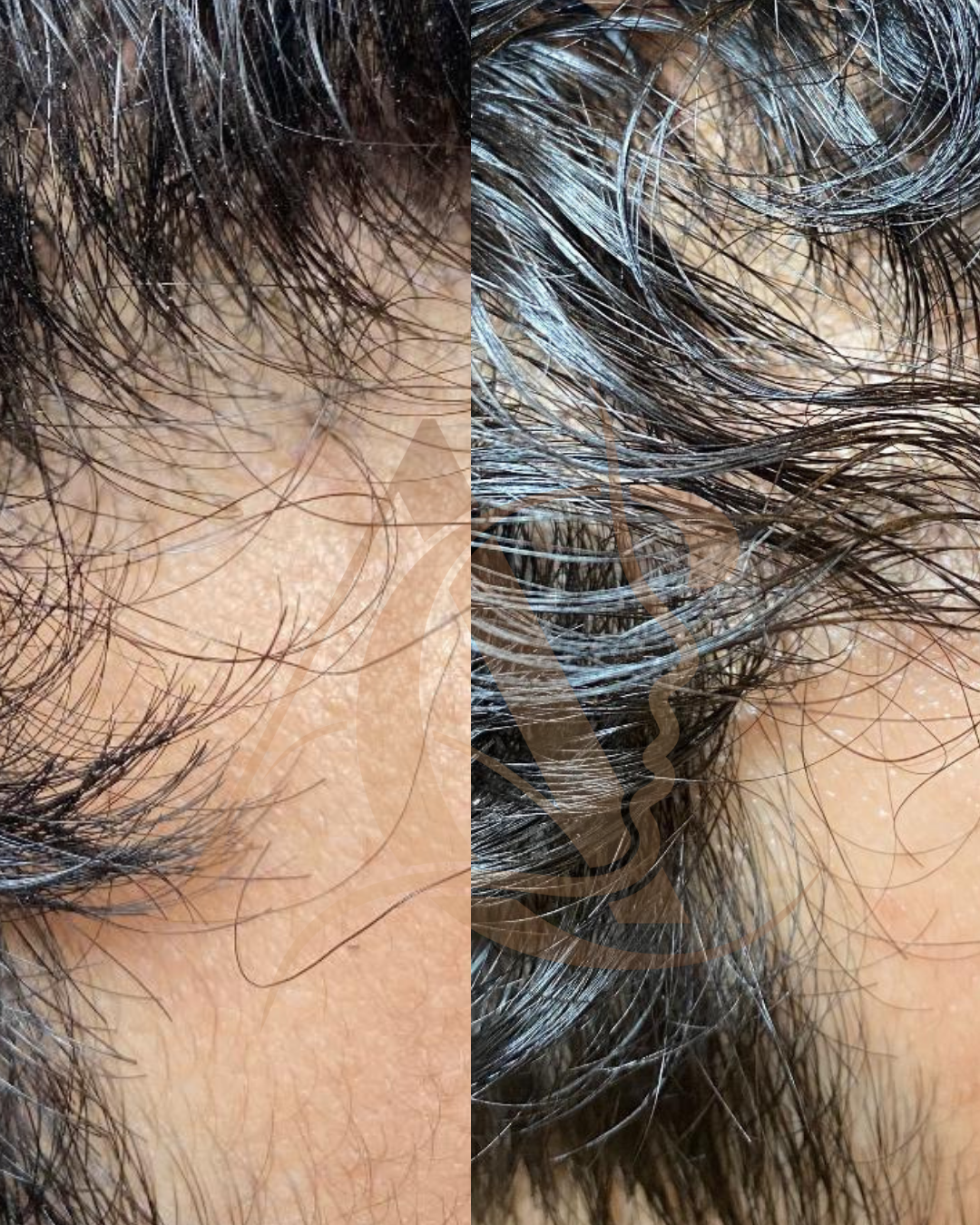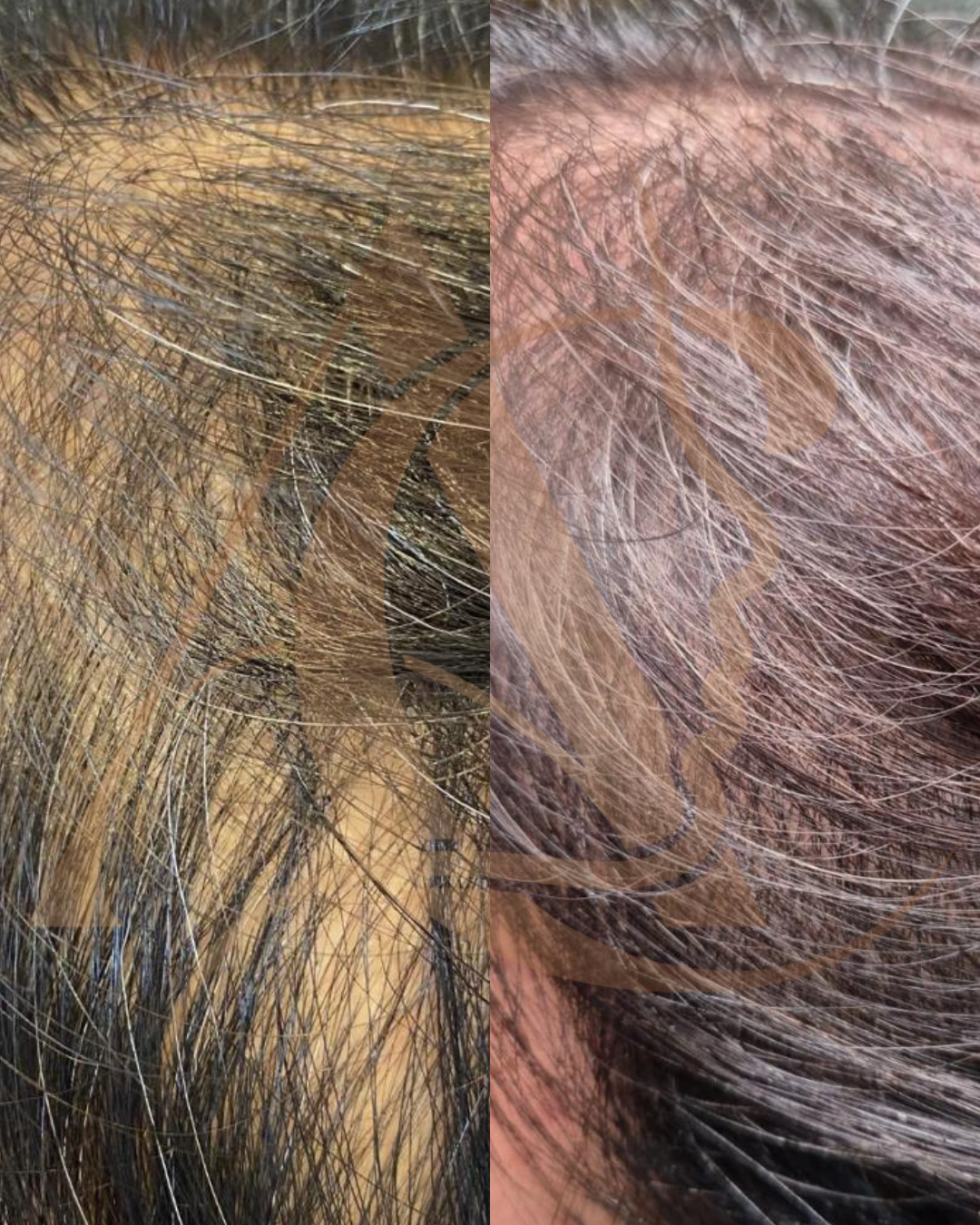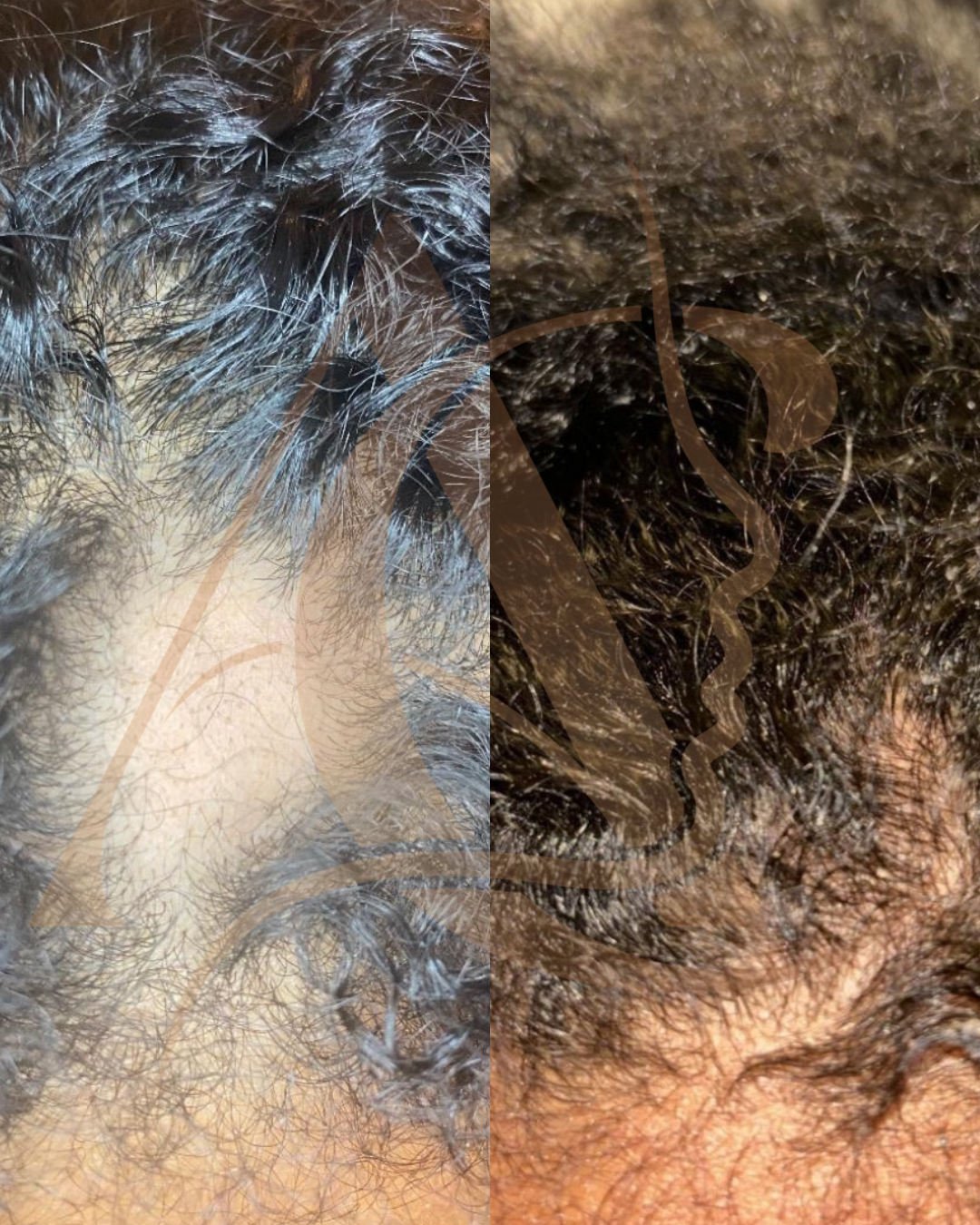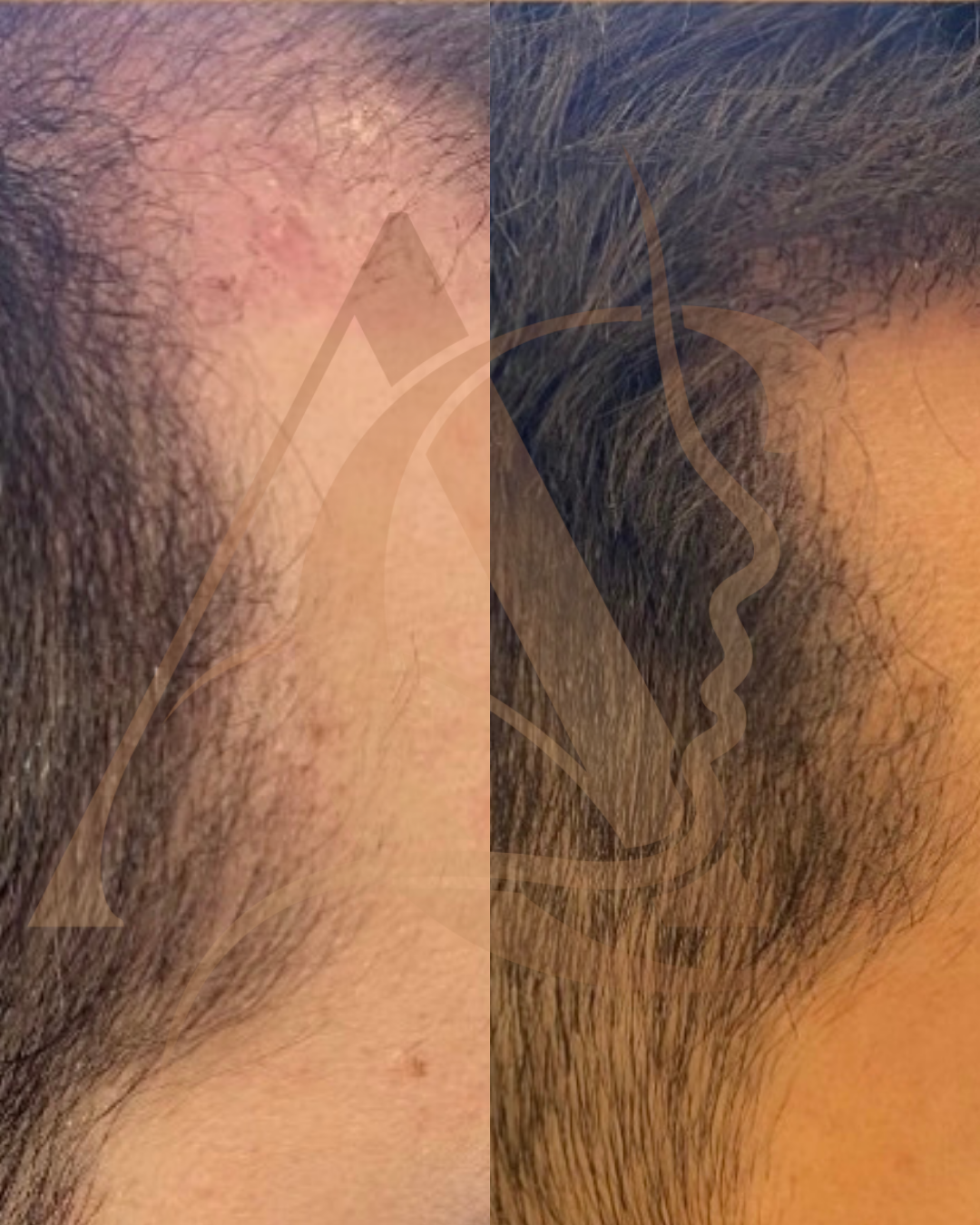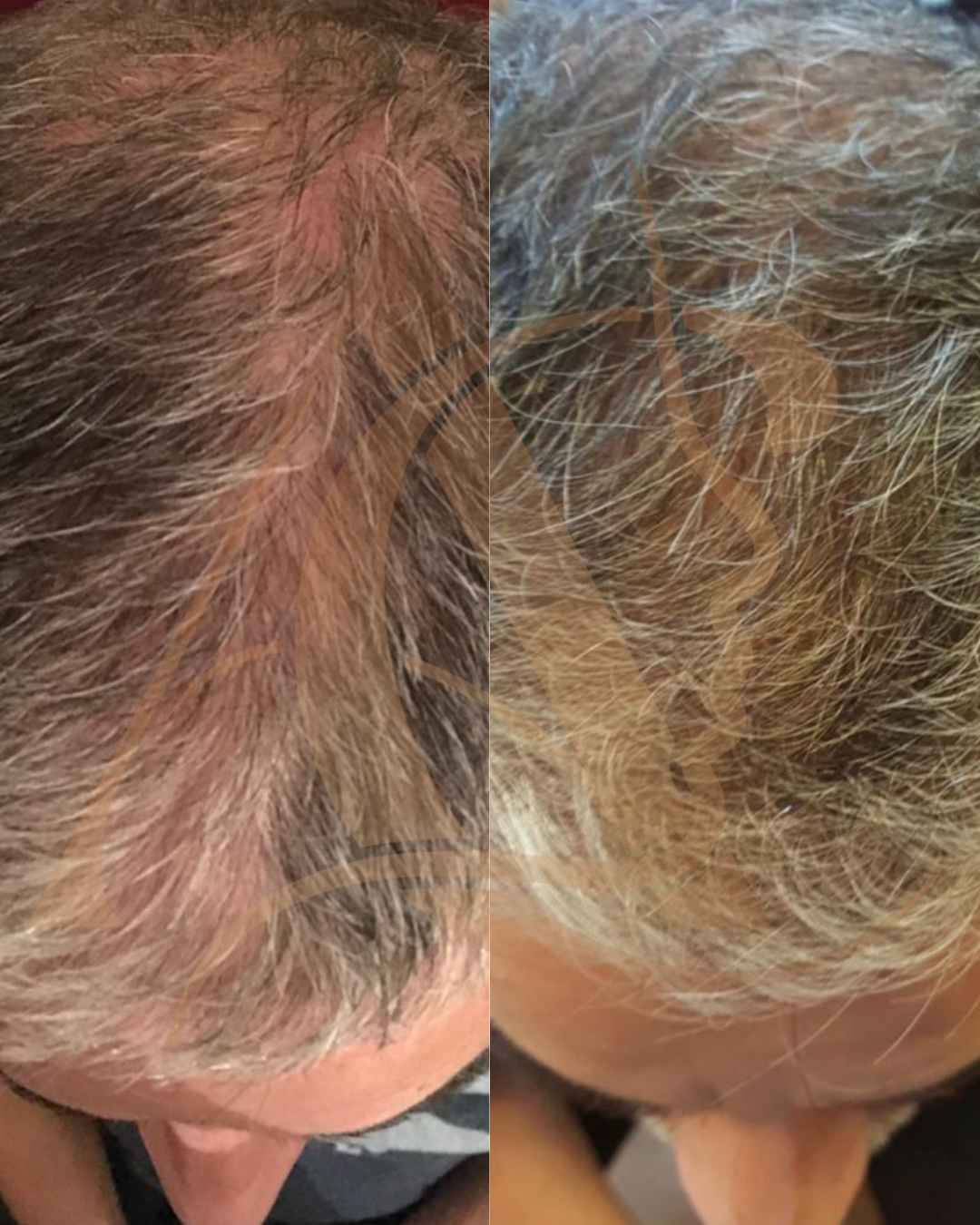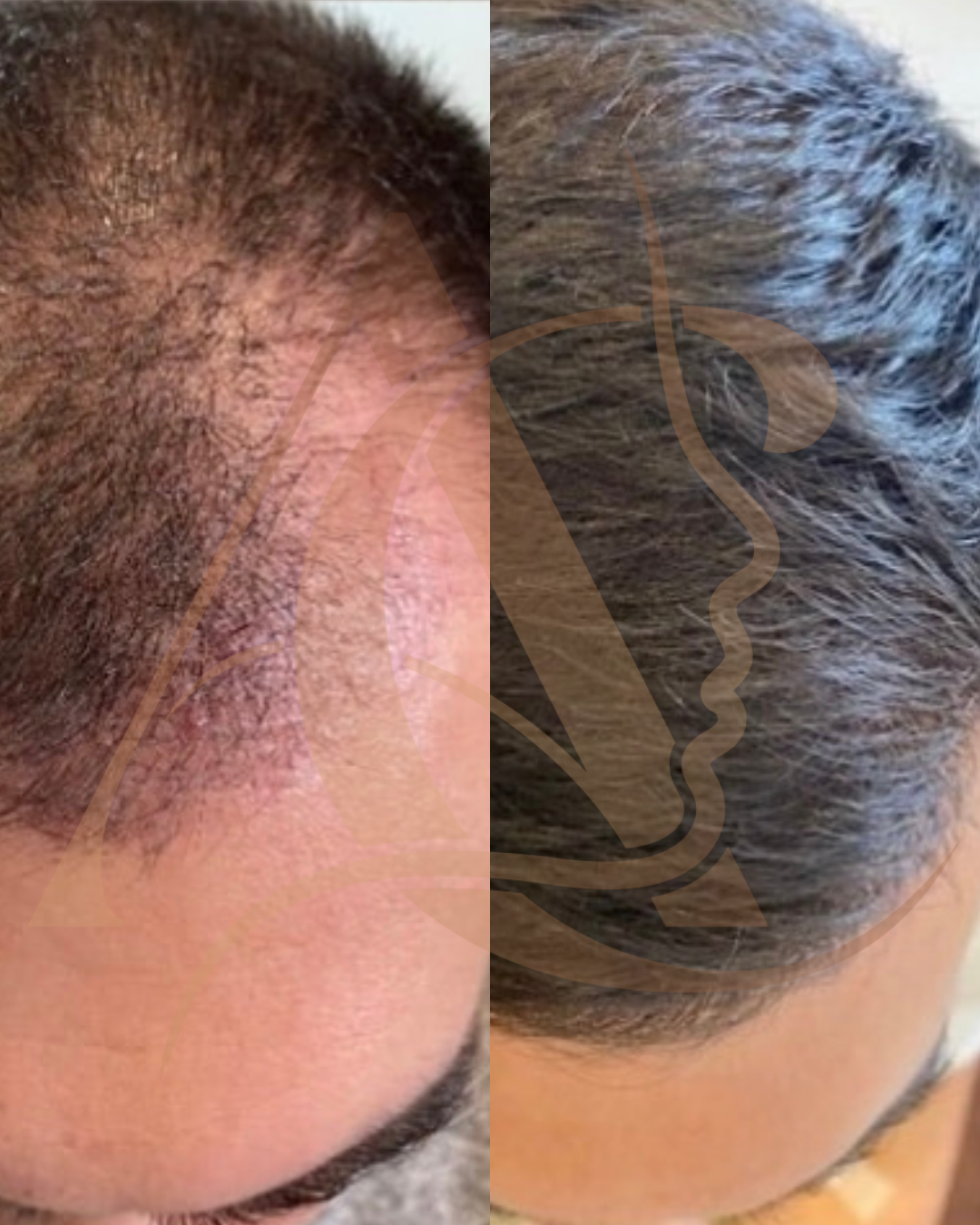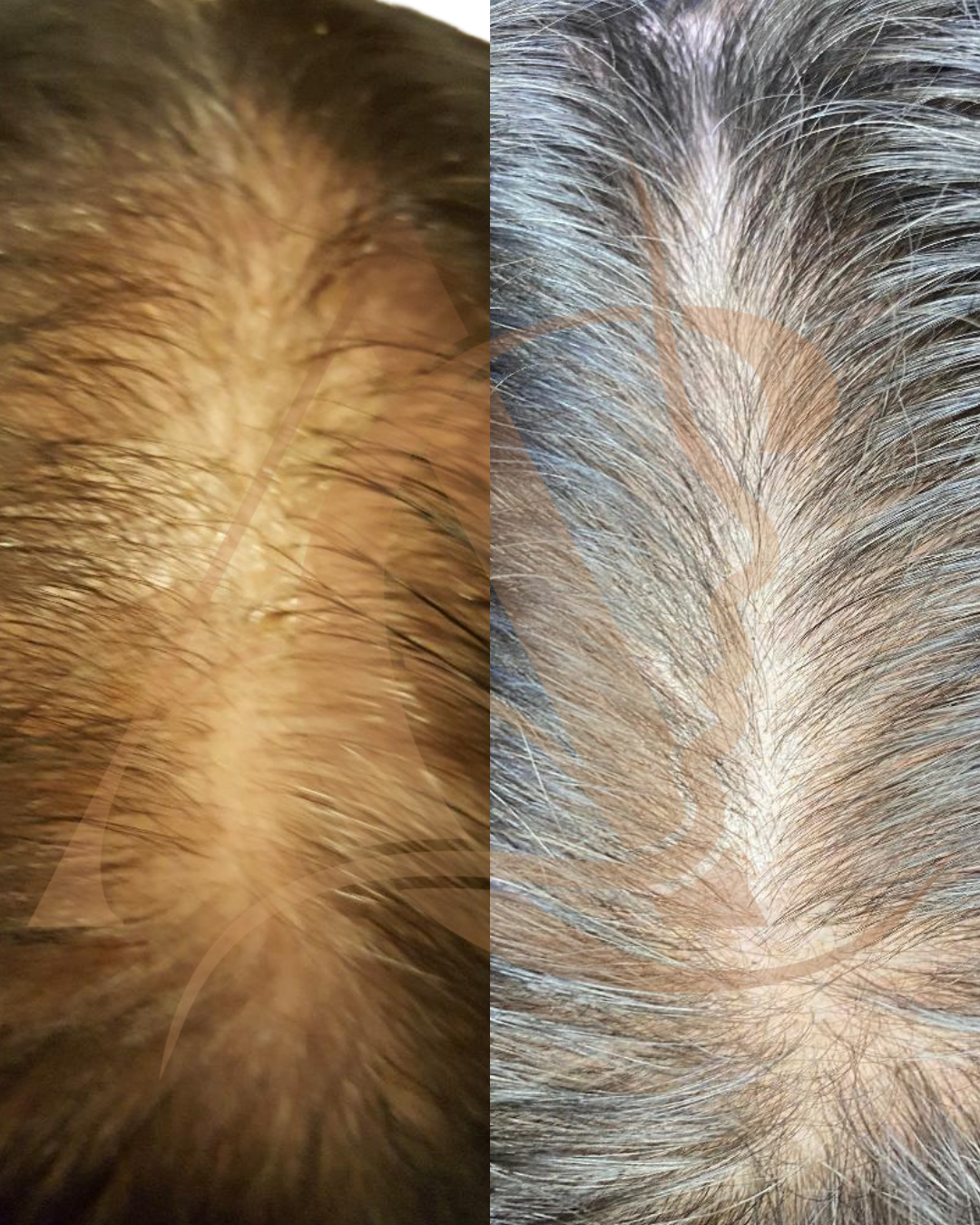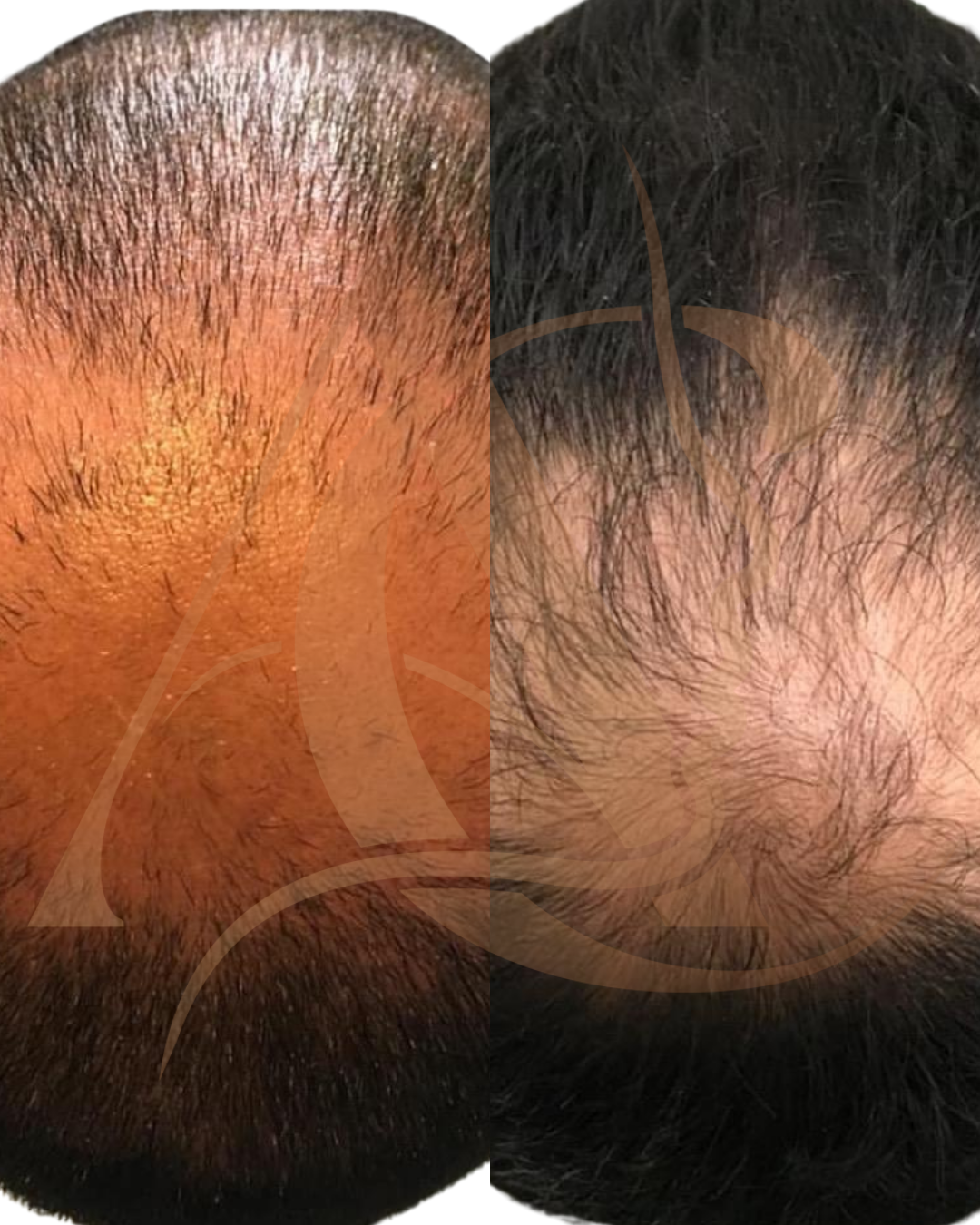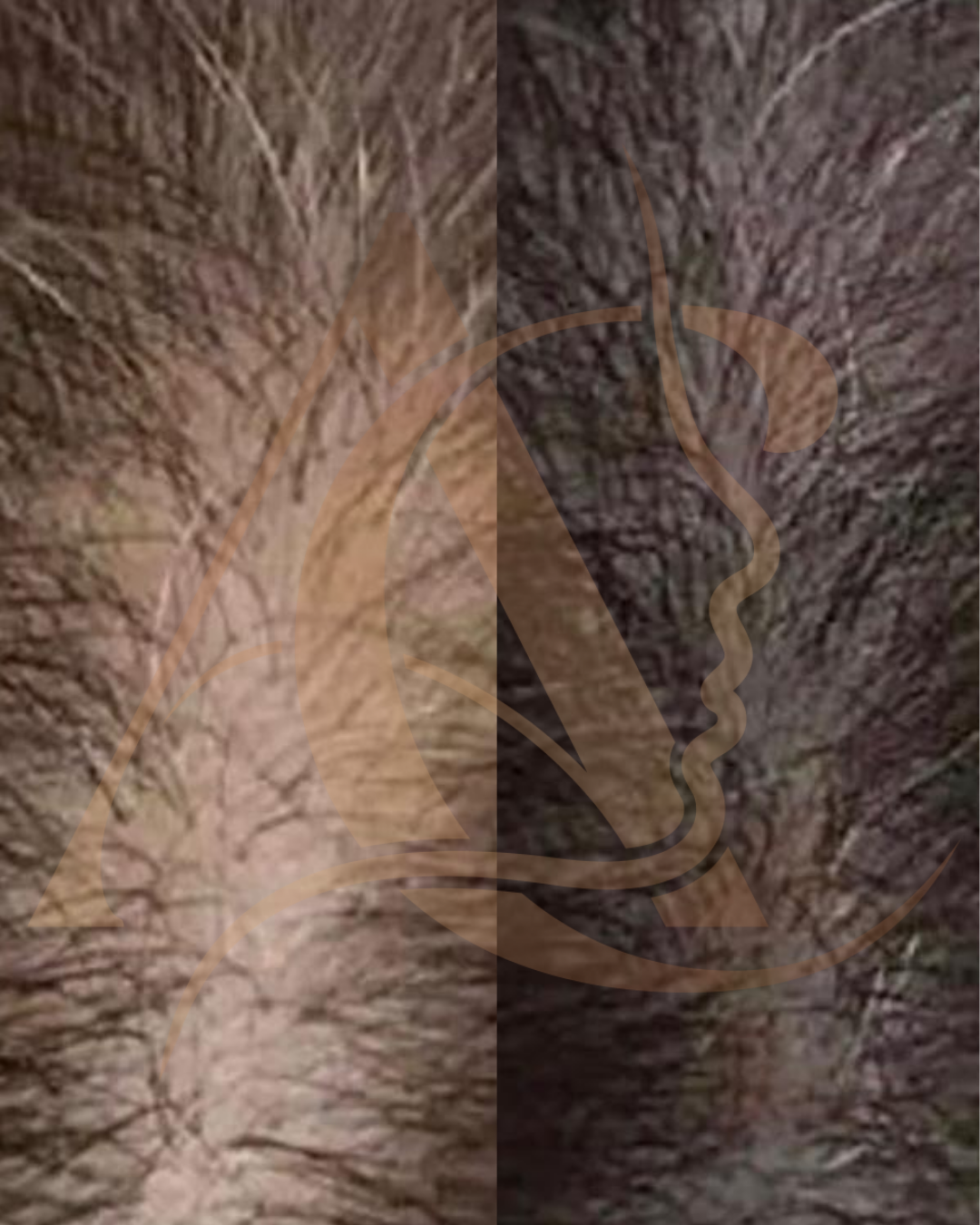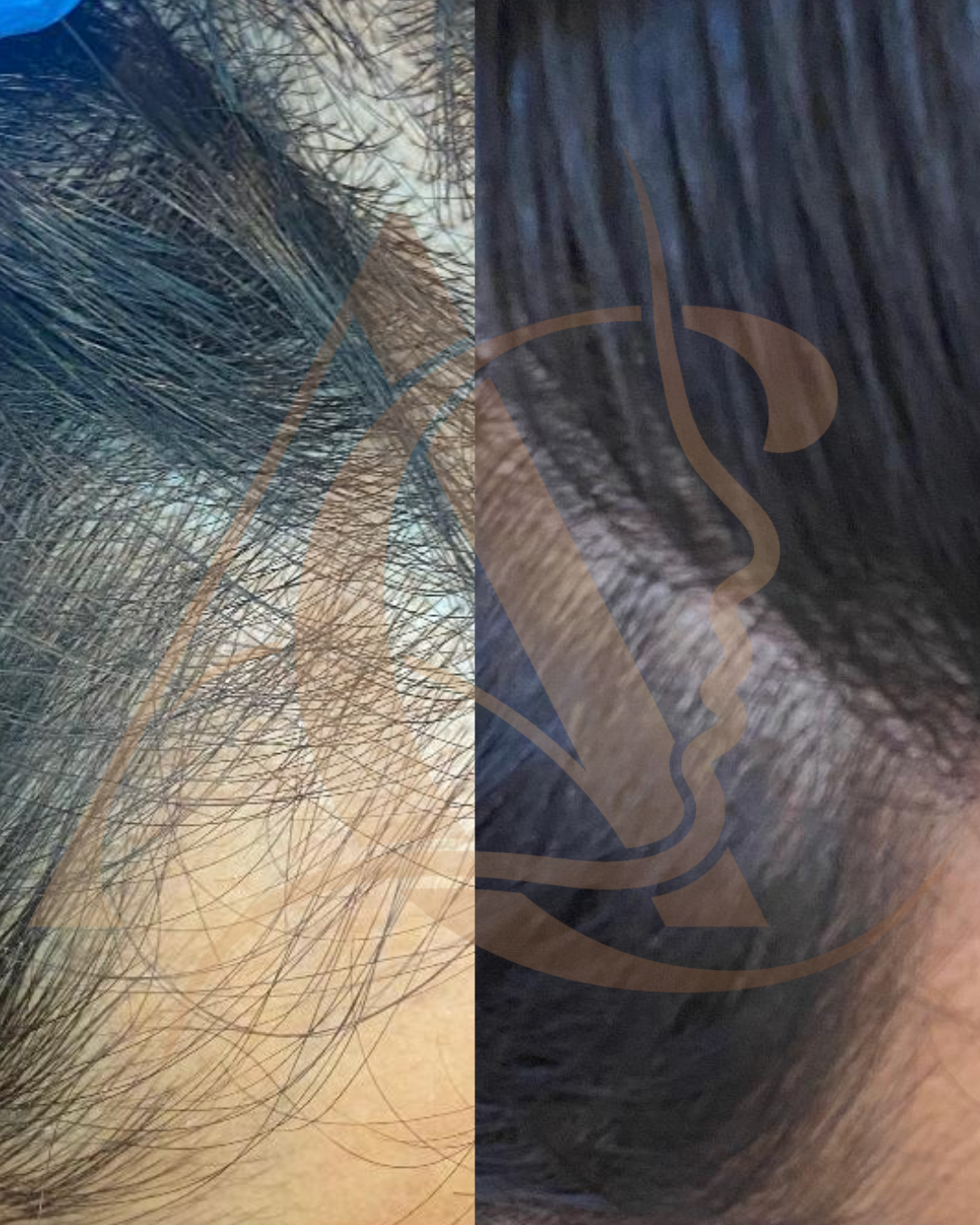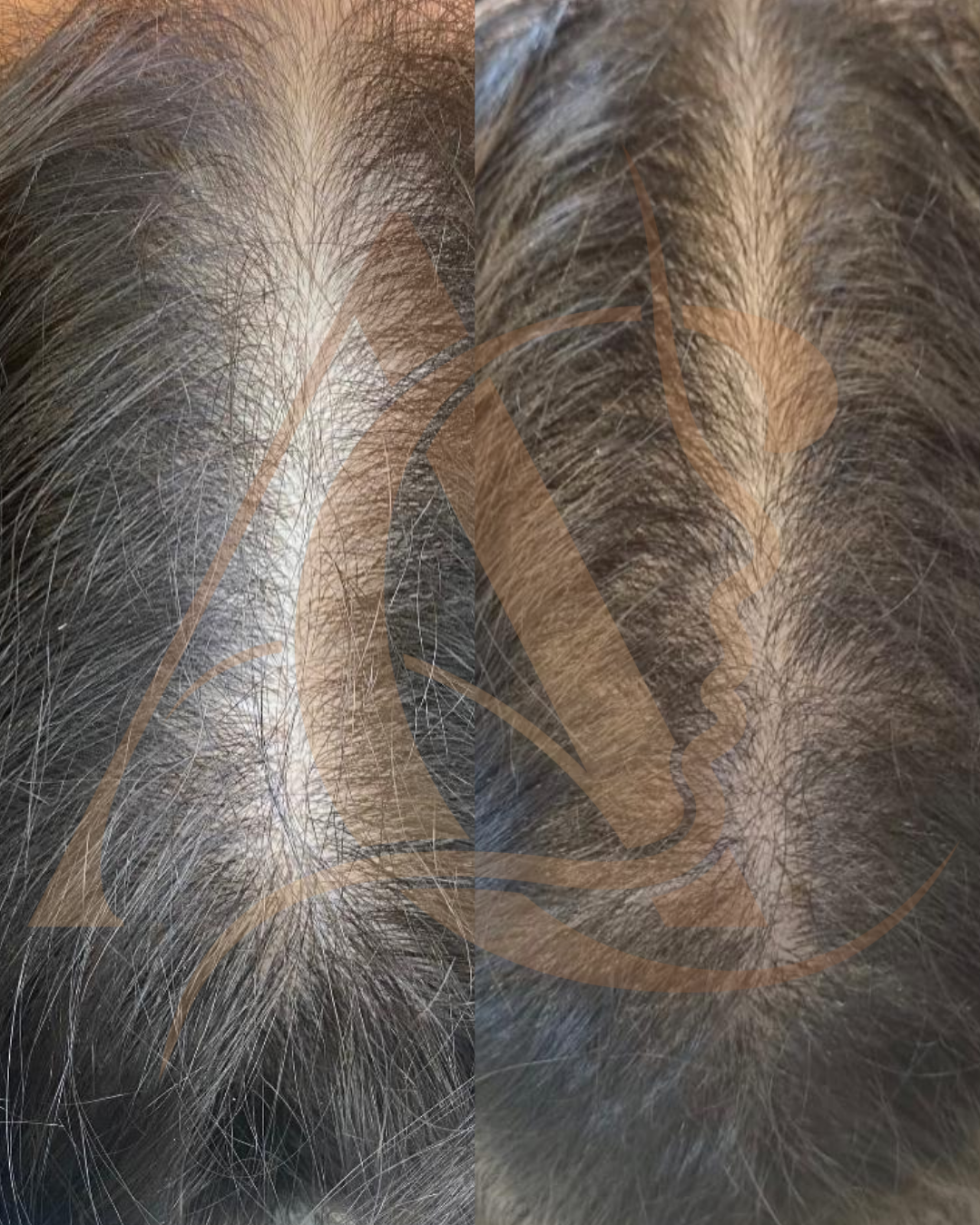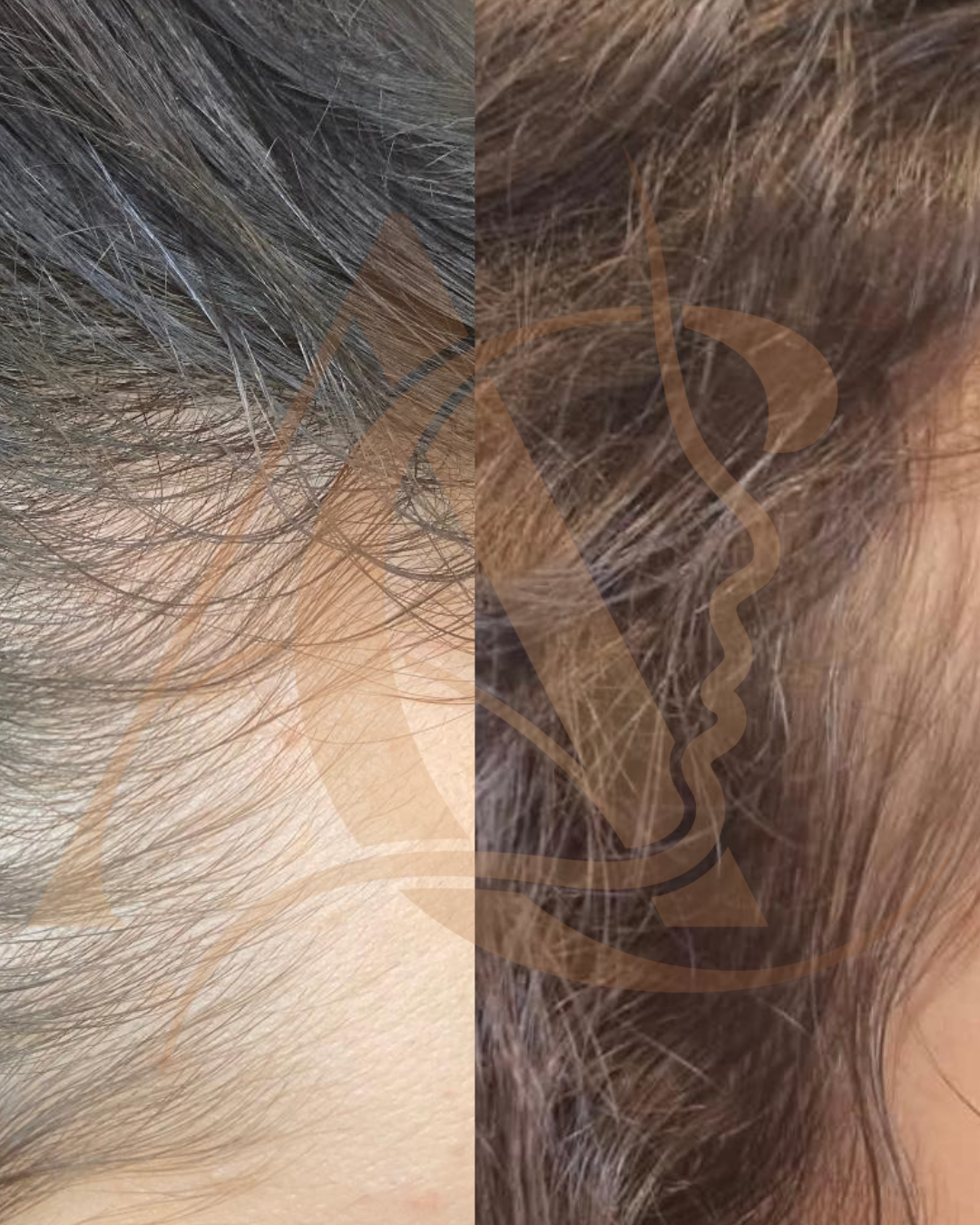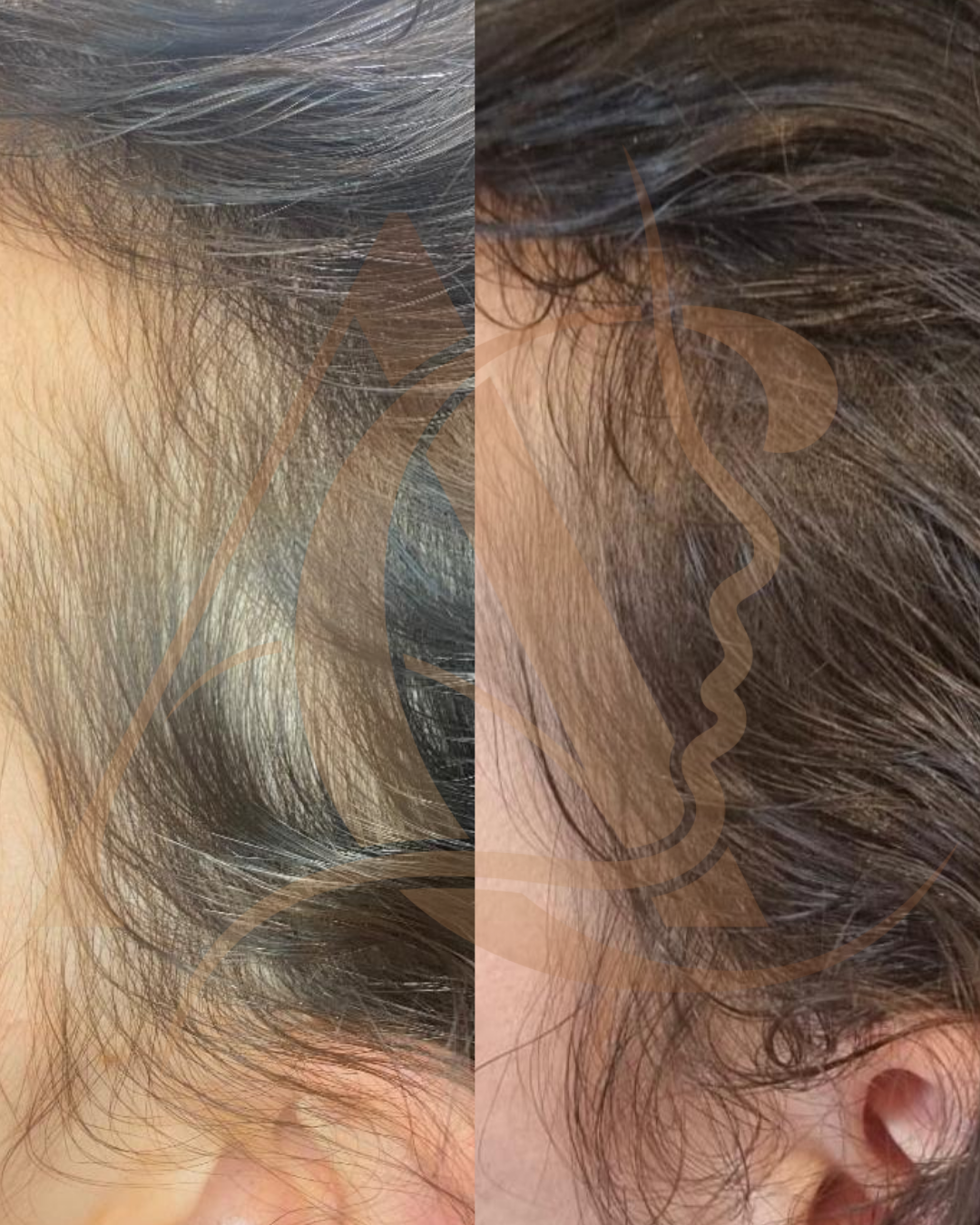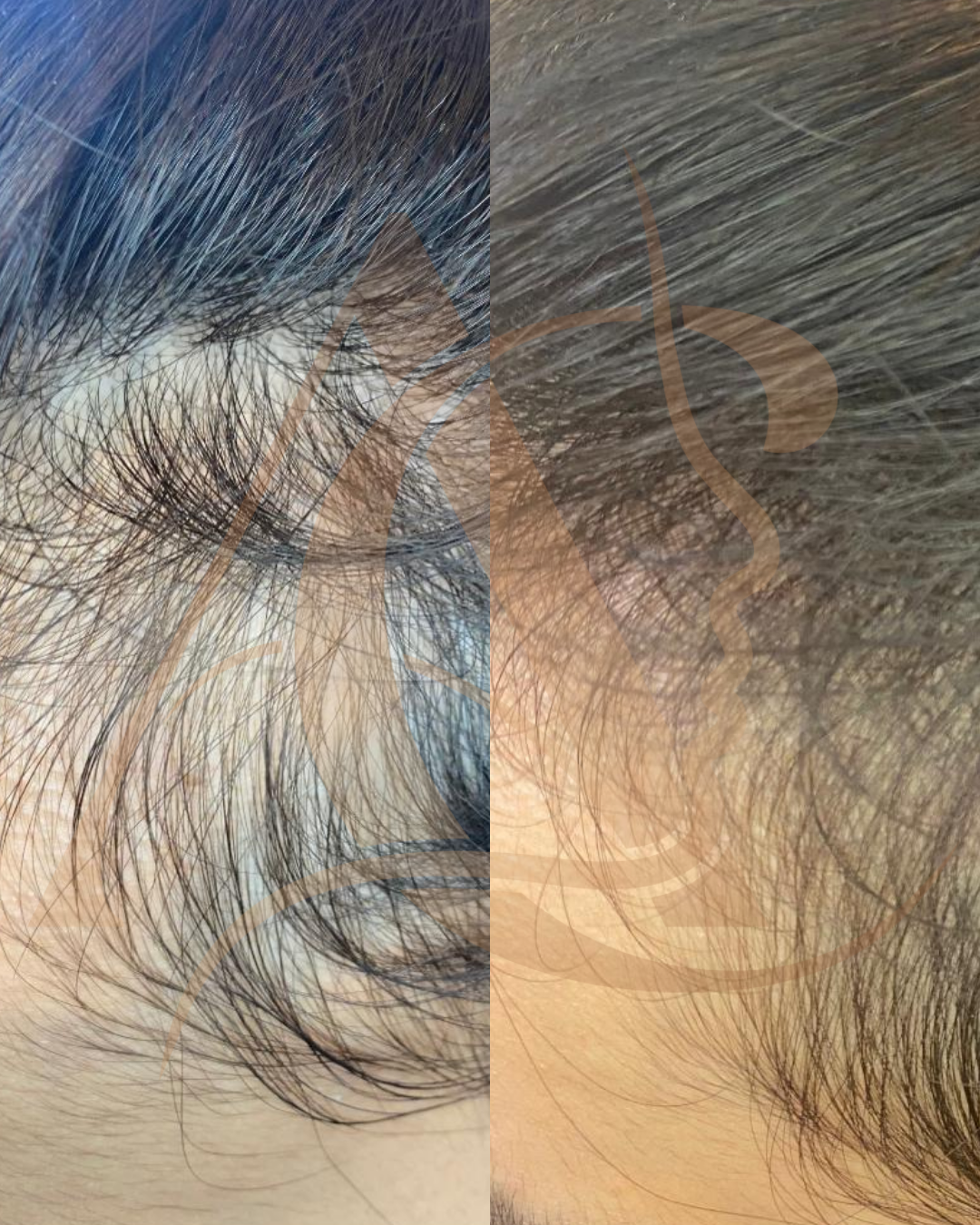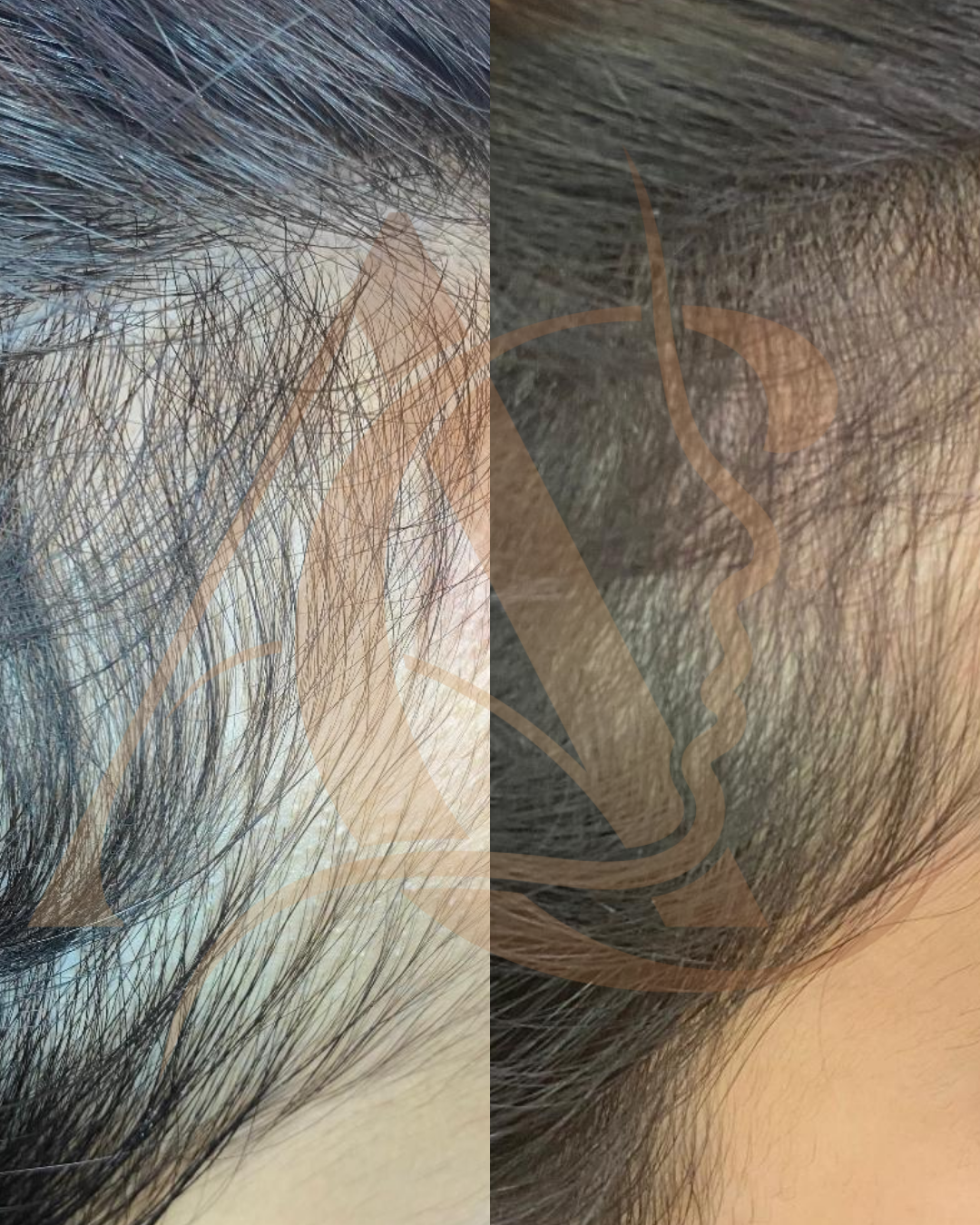
Hair loss affects millions of men and women worldwide, often impacting confidence and self-esteem. While medications and hair transplant surgery remain common treatment options, many people are now turning to PRP hair treatment as a natural, minimally invasive alternative.
But does PRP treatment for hair loss actually work?
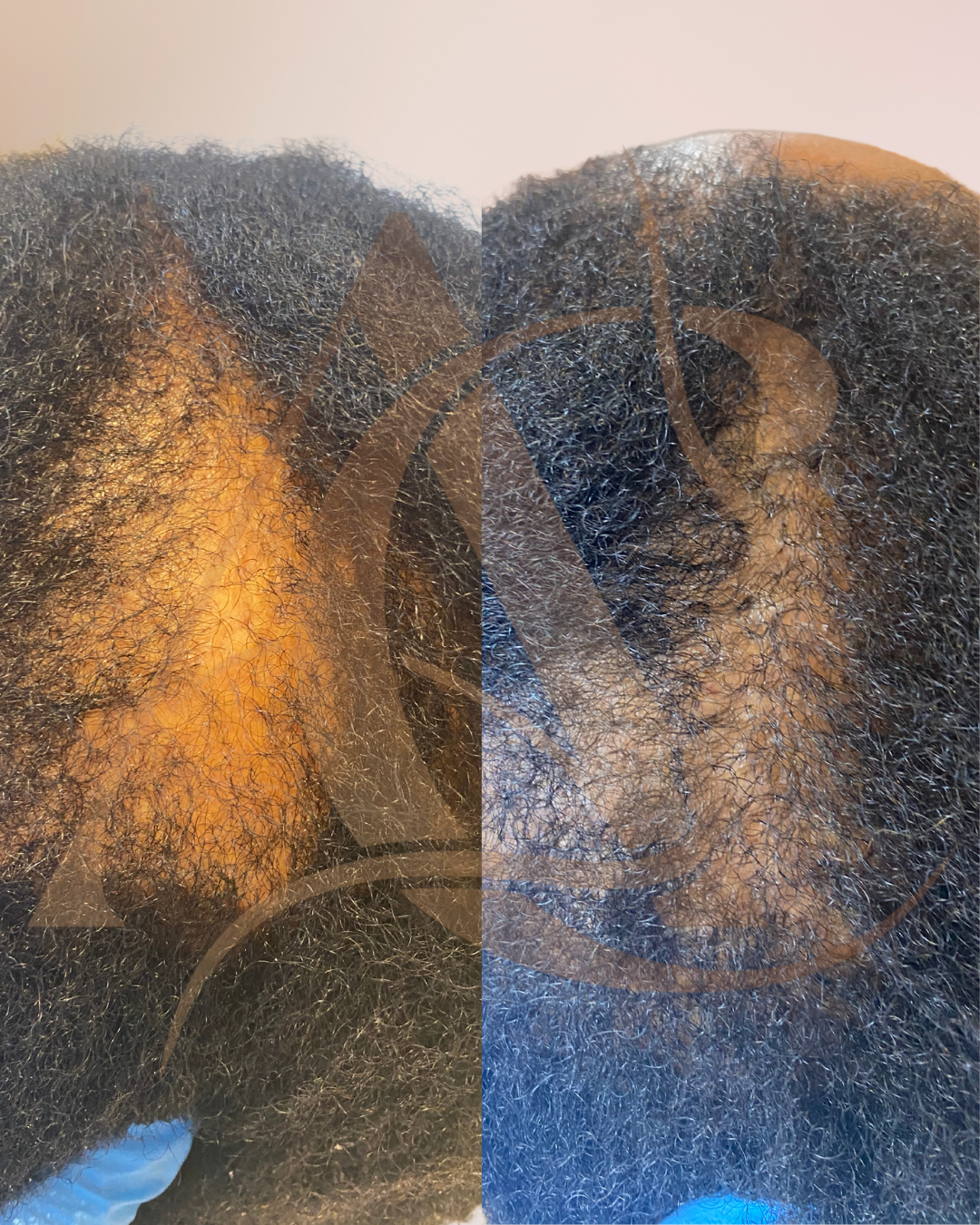
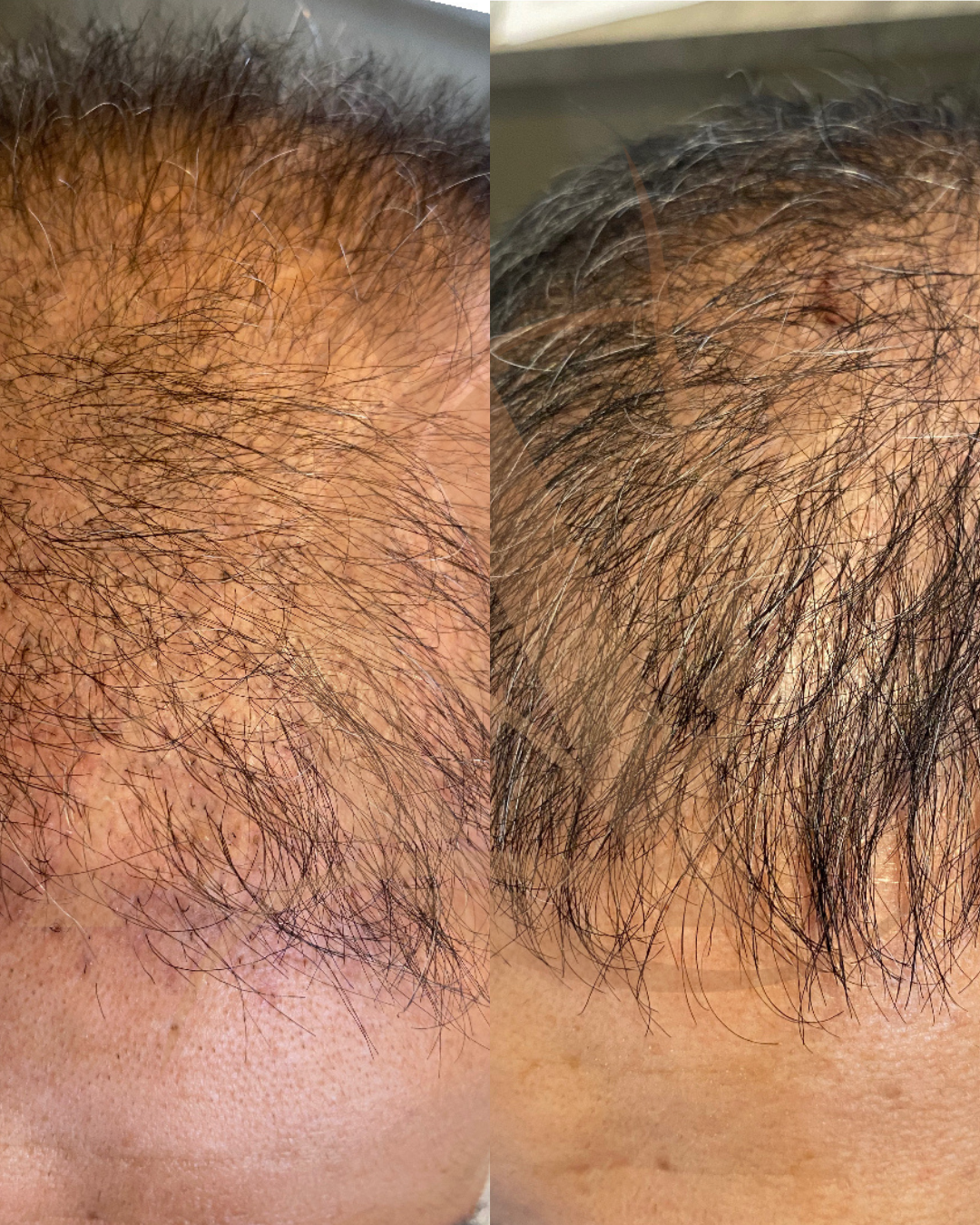
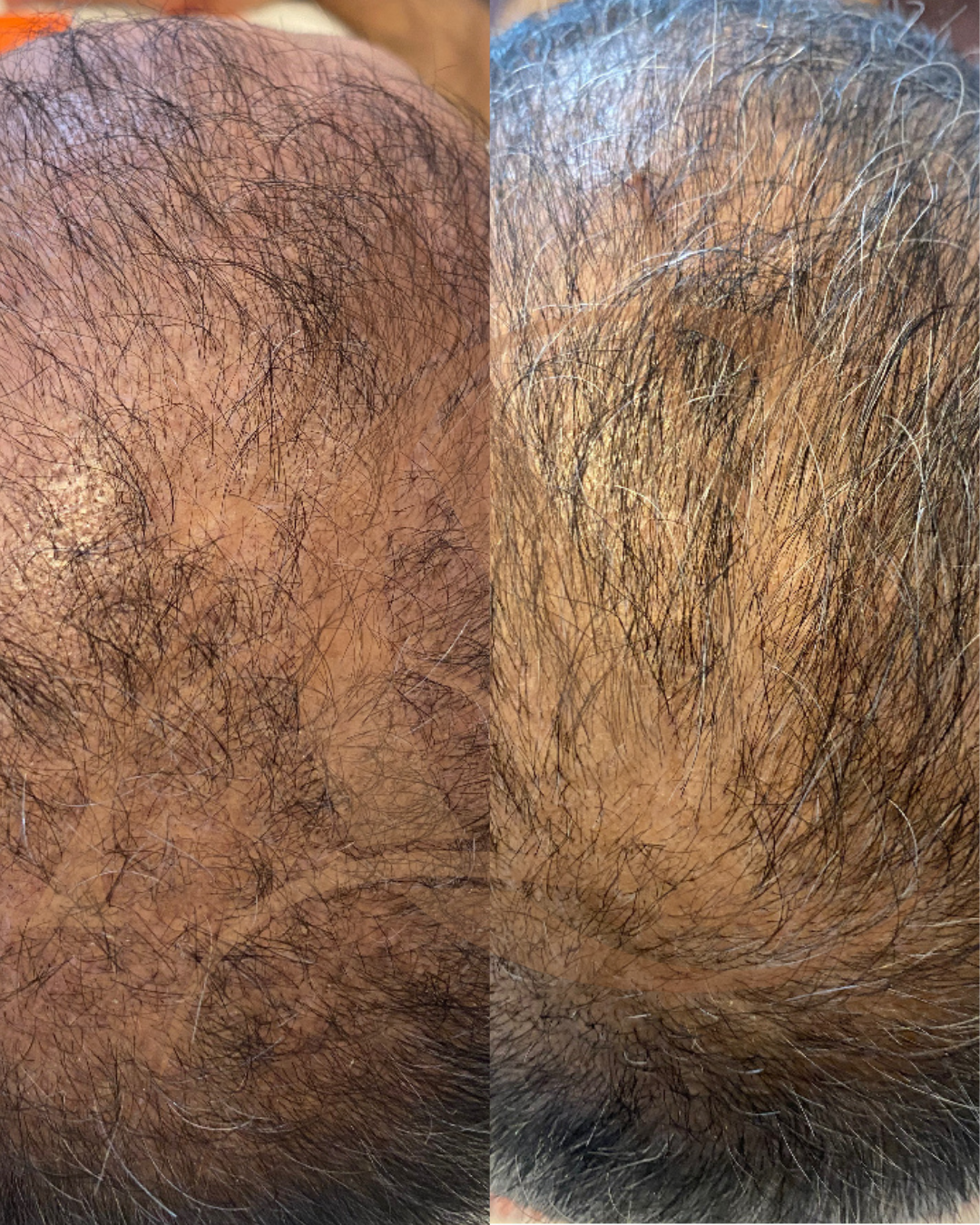
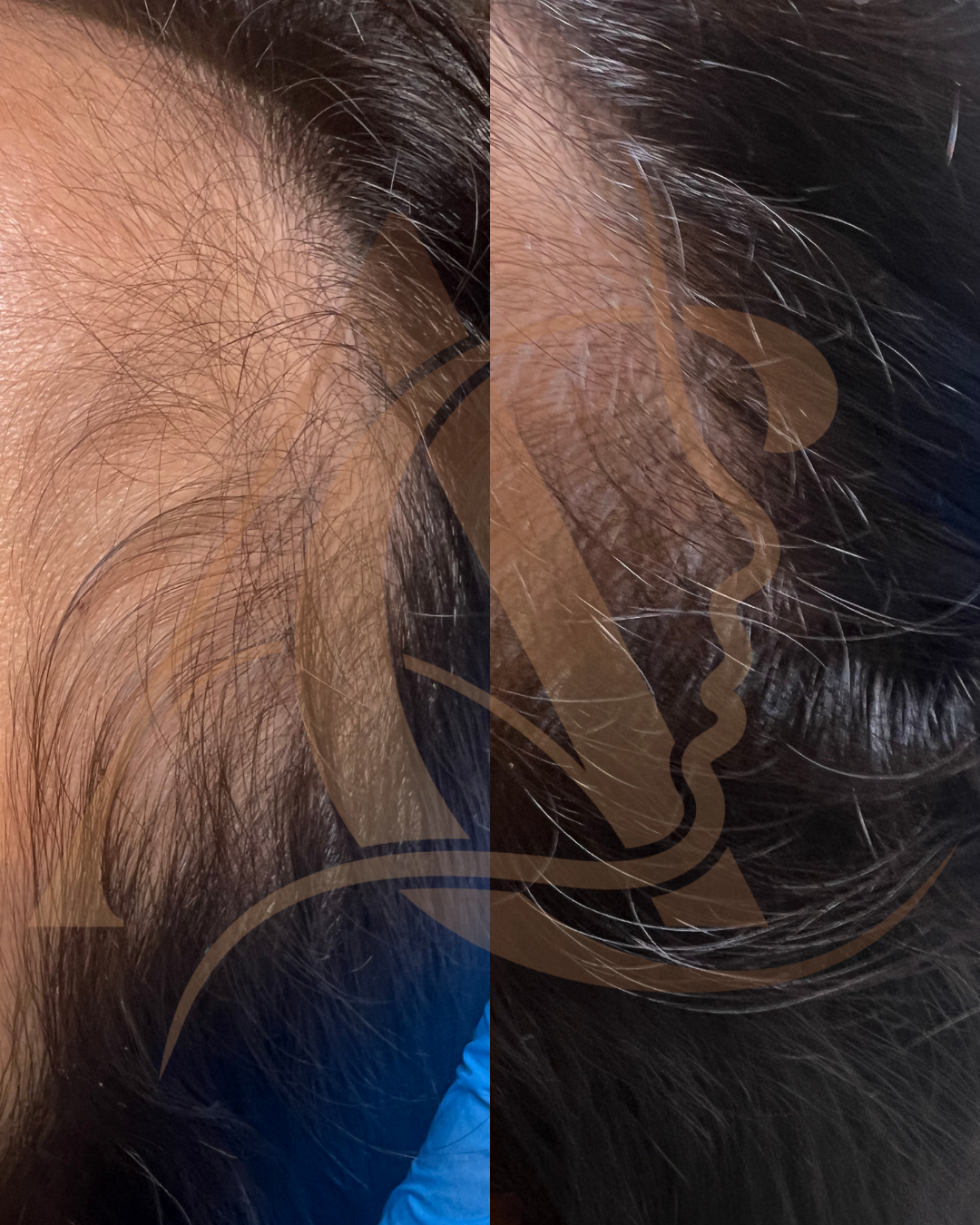
Clinical research suggests that Platelet-Rich Plasma (PRP) therapy may help improve hair density, reduce hair shedding, and stimulate healthier hair follicles in suitable candidates. Although it isn’t a cure for every type of hair loss, PRP has become one of the most popular regenerative treatments for people experiencing early to moderate hair thinning.
In this guide, we’ll explain how PRP works, who it is suitable for, its benefits, expected results, and what current research says about its effectiveness.
What Is PRP Hair Treatment?
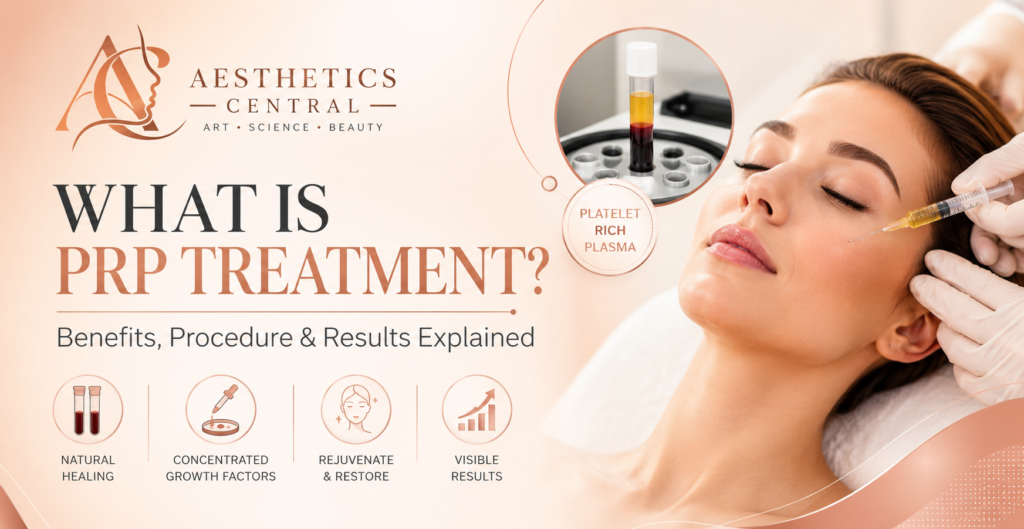
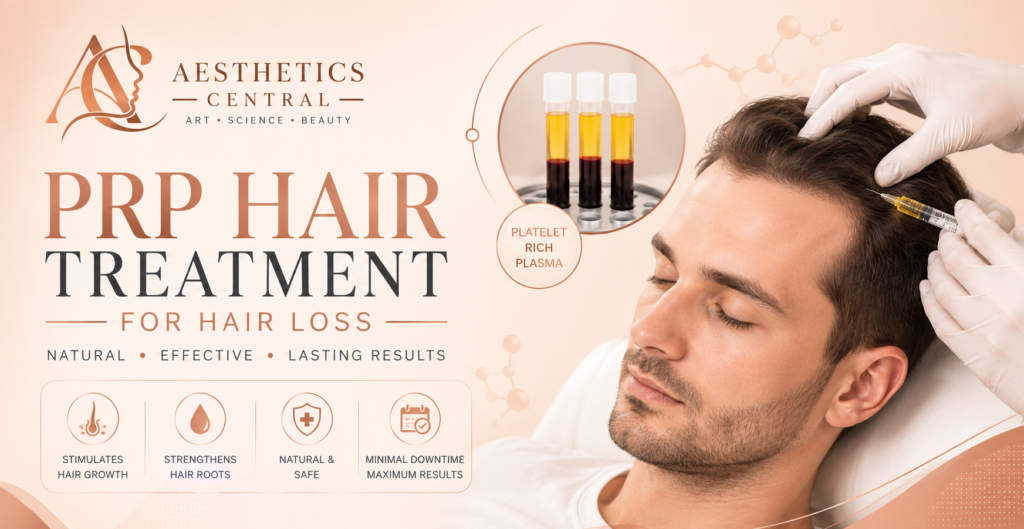
PRP hair treatment is a regenerative procedure that uses concentrated platelets from your own blood to support natural hair growth.
The treatment begins with a small blood sample taken from your arm. This blood is placed into a centrifuge, which separates the platelet-rich plasma from the other blood components. The concentrated PRP is then injected into areas of the scalp affected by thinning hair.
Platelets contain growth factors that are believed to stimulate dormant hair follicles, improve blood circulation, and create a healthier environment for hair growth.
Because PRP is produced from your own blood, the treatment has a very low risk of allergic reactions or rejection.
How Does PRP Treatment for Hair Loss Work?
Healthy hair follicles rely on a steady blood supply and growth factors to remain active.
PRP treatment for hair loss works by delivering a concentrated dose of platelets directly into the scalp, where they release proteins that support tissue repair and cellular regeneration.
These growth factors may help:
- Stimulate inactive hair follicles
- Improve scalp circulation
- Extend the hair growth (anagen) phase
- Strengthen existing hair follicles
- Increase hair shaft thickness
- Reduce excessive hair shedding
Unlike hair transplant surgery, PRP does not create new hair follicles. Instead, it helps optimise the function of existing follicles that are still capable of producing hair.
Who Can Benefit from PRP Hair Treatment?
PRP hair treatment is often recommended for individuals experiencing:
- Male pattern hair loss (Androgenetic Alopecia)
- Female pattern hair loss
- Early hair thinning
- Diffuse hair shedding (in selected cases)
- Hair weakening after stress or illness (where appropriate)
The treatment generally produces better outcomes in patients who still have active hair follicles. Individuals with advanced baldness may require alternative or additional treatment options.
A consultation with a qualified practitioner is essential to determine whether PRP is suitable for your condition.
Benefits of PRP Hair Treatment
There are several reasons why PRP treatment for hair loss has become increasingly popular.
1. Encourages Natural Hair Growth
PRP stimulates the body’s own regenerative processes rather than relying on synthetic medications.
2. Minimally Invasive
The treatment involves only small injections into the scalp, with no surgery or lengthy recovery.
3. Improves Hair Thickness
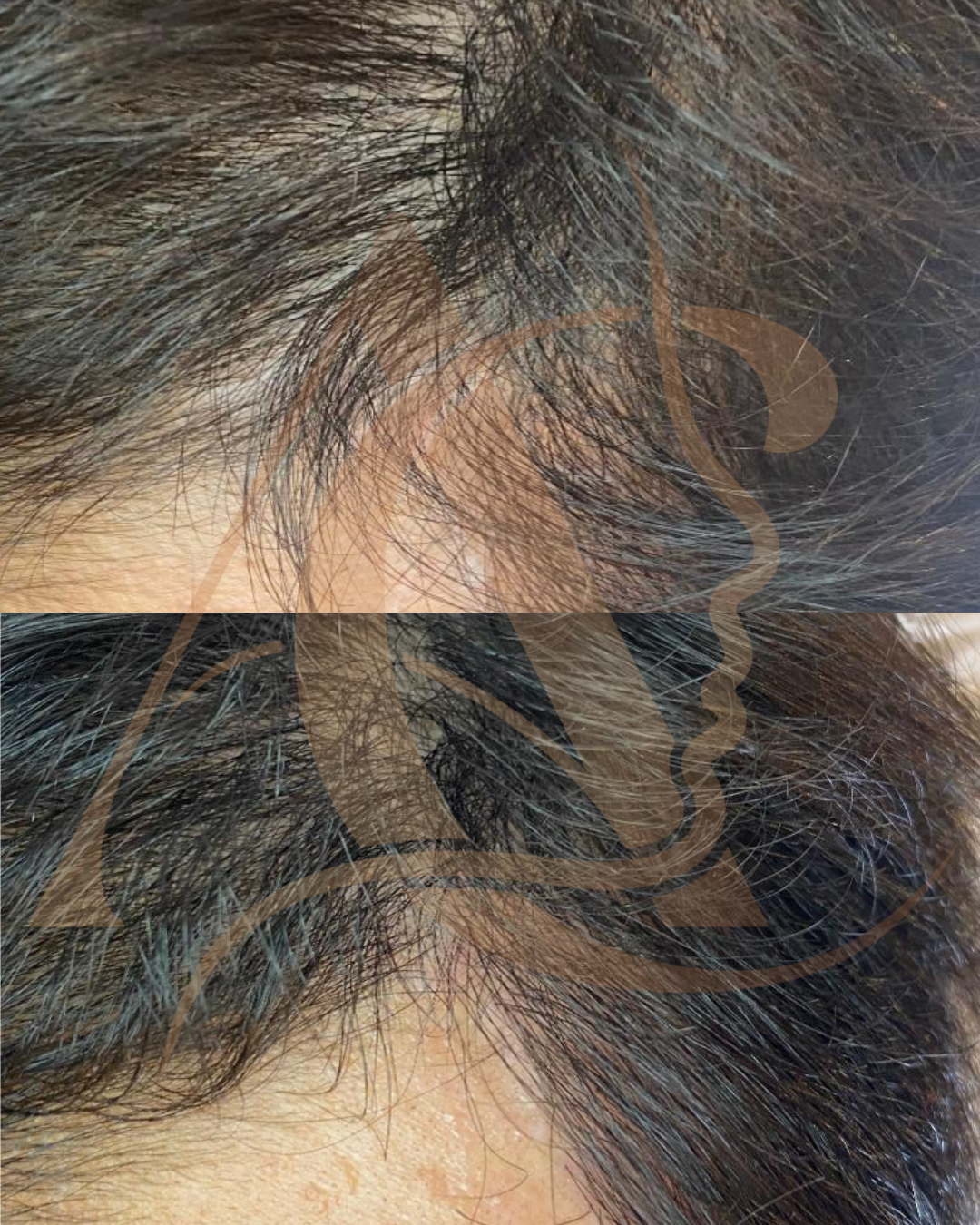
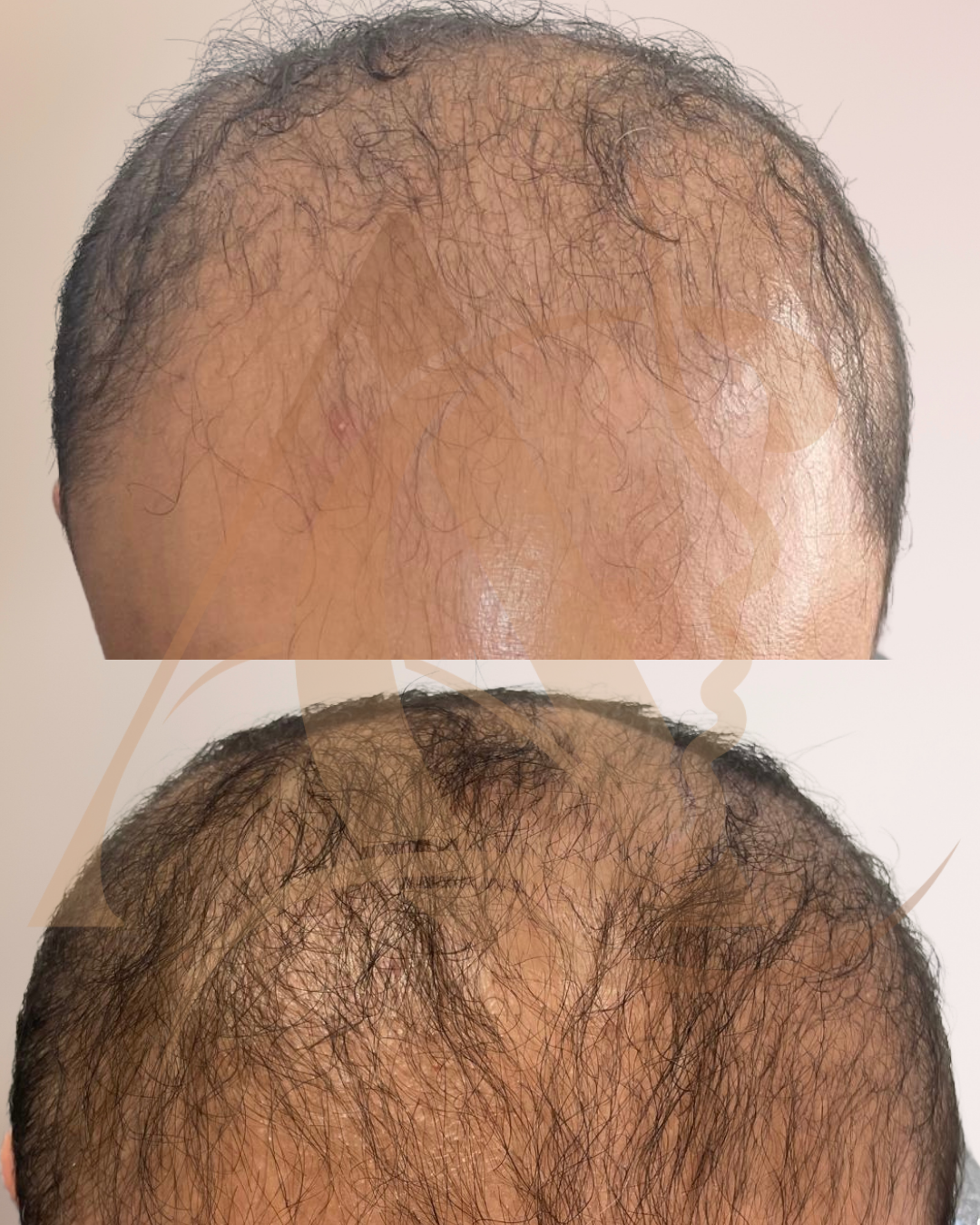
Many patients notice stronger, thicker-looking hair after completing a recommended course of treatment.
4. Reduces Hair Shedding
PRP may help reduce excessive hair fall by supporting healthier hair follicles.
5. Uses Your Own Blood
Because Platelet-Rich Plasma therapy uses your own blood, allergic reactions are extremely uncommon.
6. Minimal Downtime
Most patients return to work and daily activities within 24 hours.
What Happens During the Procedure?
A typical PRP hair treatment appointment lasts approximately 45–60 minutes.
The procedure usually includes:
- Initial consultation and scalp assessment.
- Blood collection from your arm.
- Centrifuge processing to prepare the platelet-rich plasma.
- Cleansing the scalp.
- Multiple small PRP injections into thinning areas.
- Aftercare instructions before leaving the clinic.
Most patients describe the discomfort as mild and temporary.
Recovery and Aftercare
One of the advantages of PRP treatment for hair loss is its short recovery period.
After treatment, you may experience:
- Mild scalp tenderness
- Slight redness
- Minor swelling
- Temporary sensitivity
These effects usually disappear within one or two days.
To support healing, your practitioner may advise you to:
- Avoid washing your hair for the recommended period.
- Avoid strenuous exercise for 24 hours.
- Stay out of direct sunlight.
- Avoid alcohol and smoking immediately after treatment where advised.
- Follow all post-treatment instructions carefully.
When Will You See Results?
Hair growth takes time, so patience is essential.
Typical timelines include:
- 2–6 weeks: Reduced hair shedding may begin.
- 3–4 months: Early improvements in hair thickness may become visible.
- 6–12 months: Continued improvement in hair density and overall hair quality.
Most practitioners recommend an initial course of three to four sessions, followed by maintenance treatments every 6–12 months if appropriate.
Results vary depending on age, genetics, the type of hair loss, and individual biological response.
Does PRP Hair Treatment Really Work?
Current clinical evidence suggests that PRP hair treatment can improve hair density and hair thickness in many patients with androgenetic alopecia (pattern hair loss), particularly when treatment begins in the early stages of thinning.
However, PRP is not a guaranteed solution and does not permanently stop the progression of hair loss. Some individuals respond better than others, and ongoing maintenance treatments may be recommended.
The best outcomes are generally seen when PRP is part of a personalised treatment plan developed by an experienced practitioner.
Are There Any Risks?
PRP is generally considered safe because it uses your own blood.
Temporary side effects may include:
- Mild pain
- Bruising
- Redness
- Swelling
- Tenderness
Serious complications are uncommon when the procedure is performed using sterile techniques by a qualified healthcare professional.
Frequently Asked Questions
Is PRP hair treatment permanent?
No. PRP helps stimulate existing hair follicles, but maintenance sessions are usually recommended to sustain results.
Can PRP replace a hair transplant?
No. PRP supports existing follicles but does not create new ones. It may be used alongside or after a hair transplant in suitable patients.
How many PRP sessions are needed?
Most patients require three to four initial treatments, followed by maintenance sessions depending on their progress.
Is PRP suitable for women?
Yes. PRP hair treatment is commonly used for both men and women experiencing certain types of hair thinning.
Conclusion
PRP hair treatment has become one of the leading non-surgical options for treating certain types of hair loss. By using your body’s own growth factors, the treatment aims to stimulate healthier hair follicles, reduce shedding, and improve hair density over time.
Although results vary between individuals, clinical research suggests that PRP can be an effective option for suitable candidates, particularly those with early-stage hair thinning. A professional consultation is the best way to determine whether PRP treatment for hair loss is right for you and to develop a personalised treatment plan that aligns with your goals.