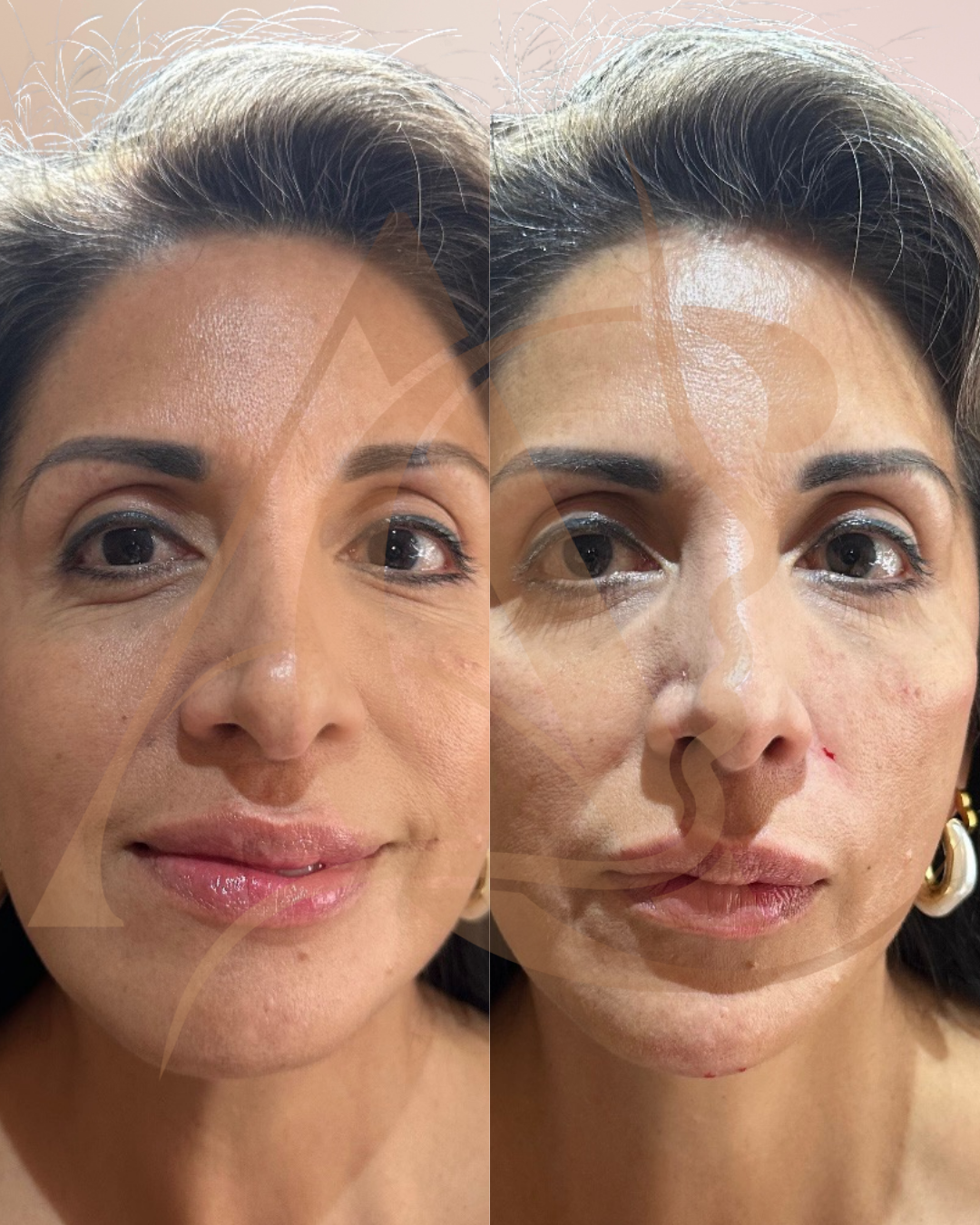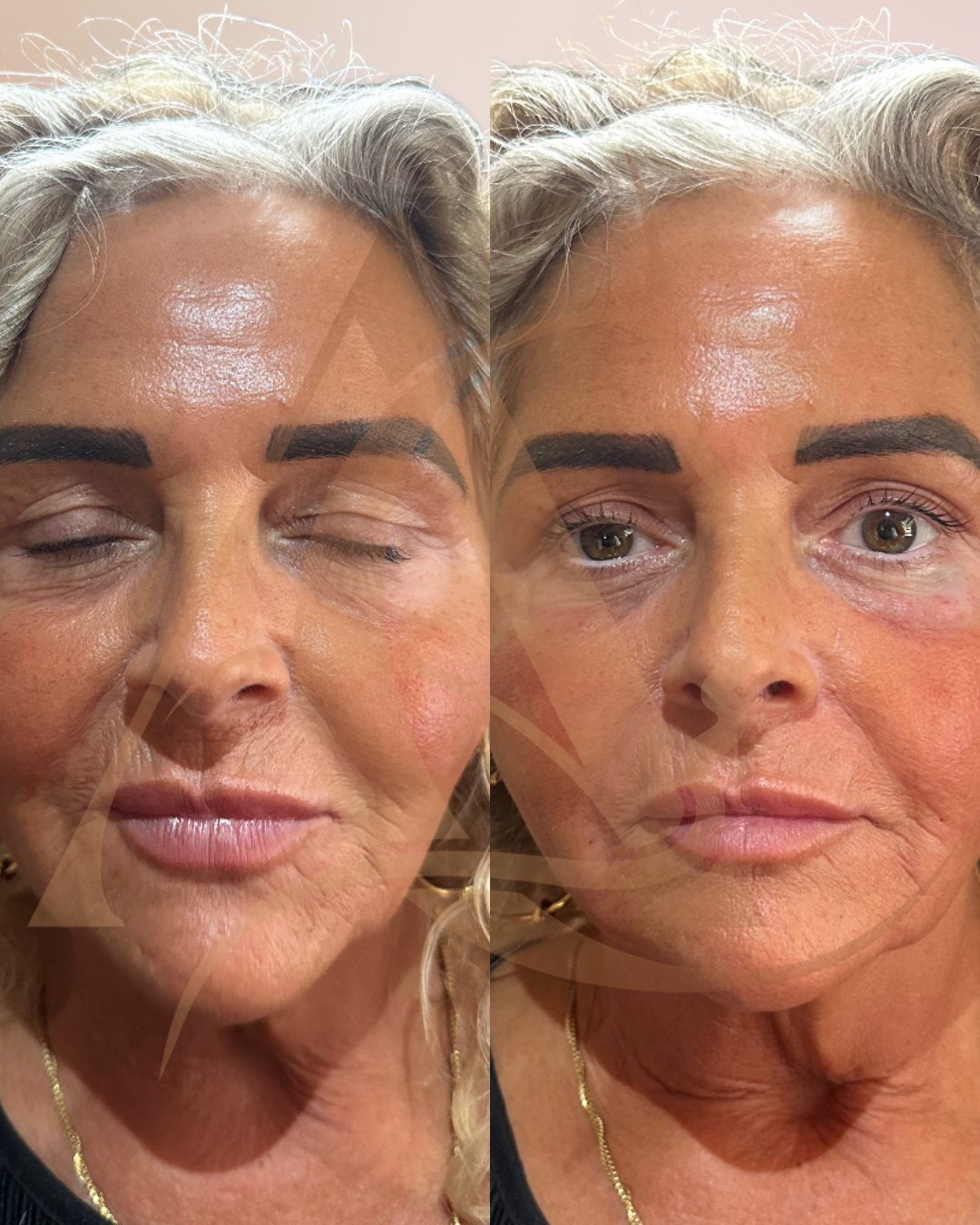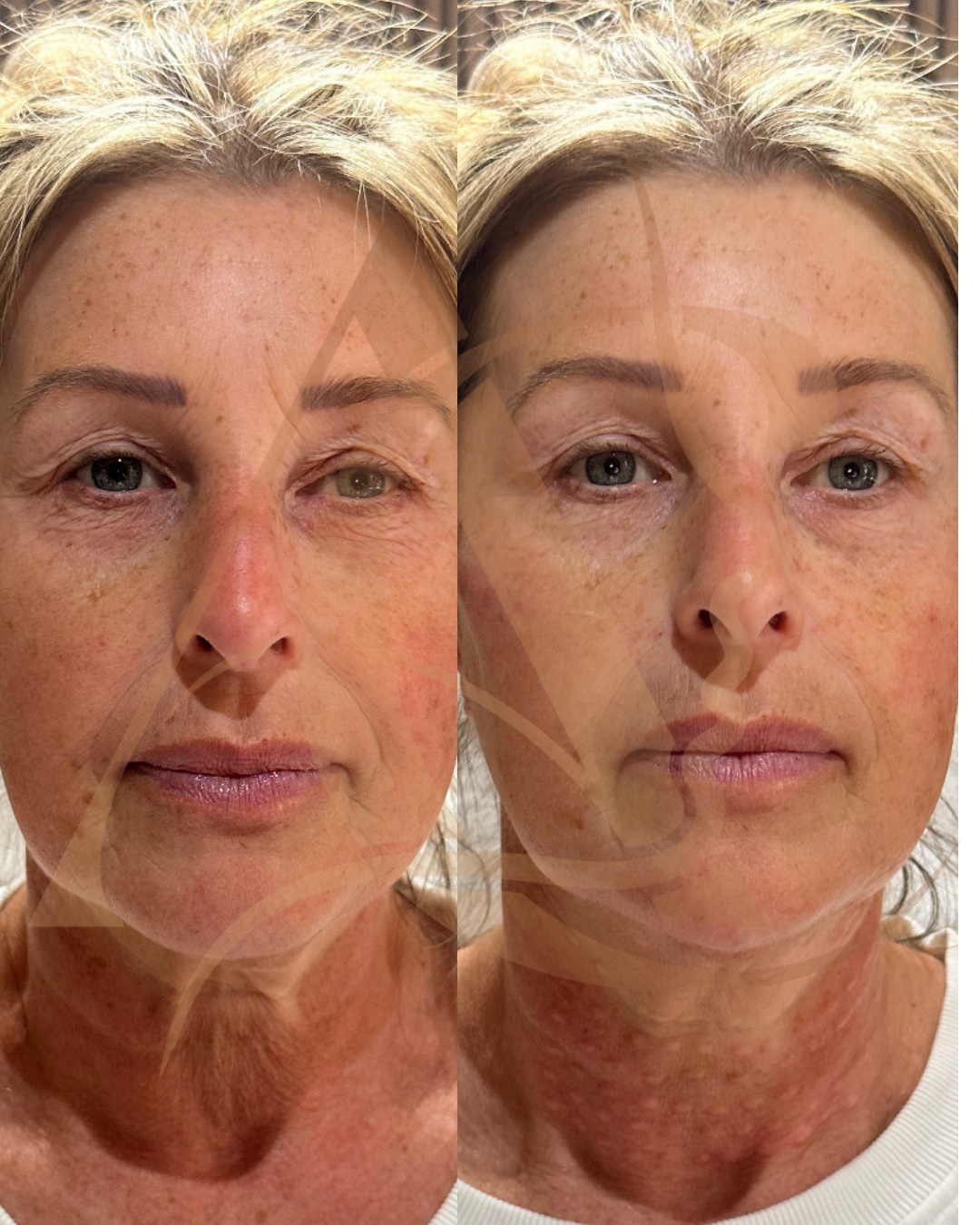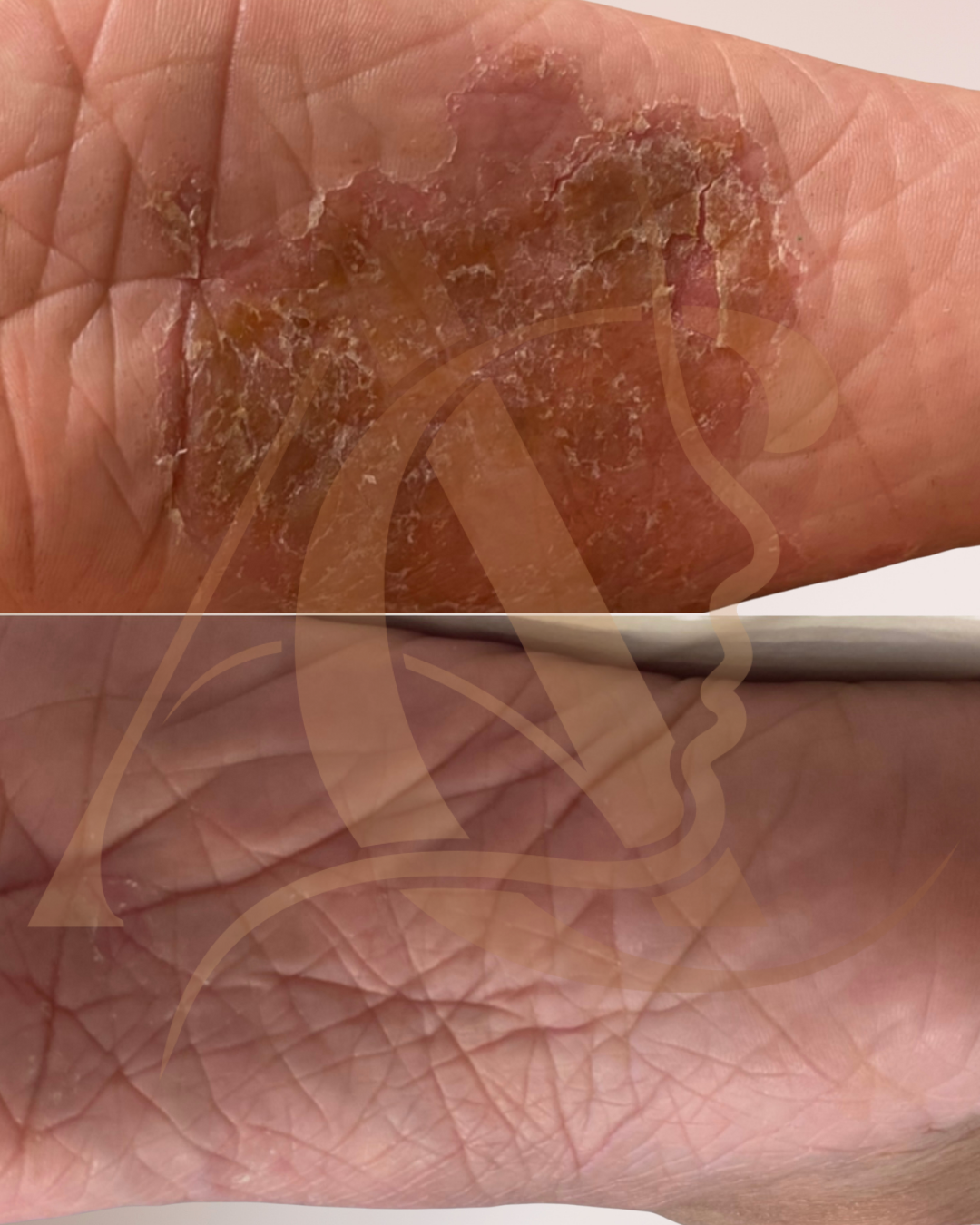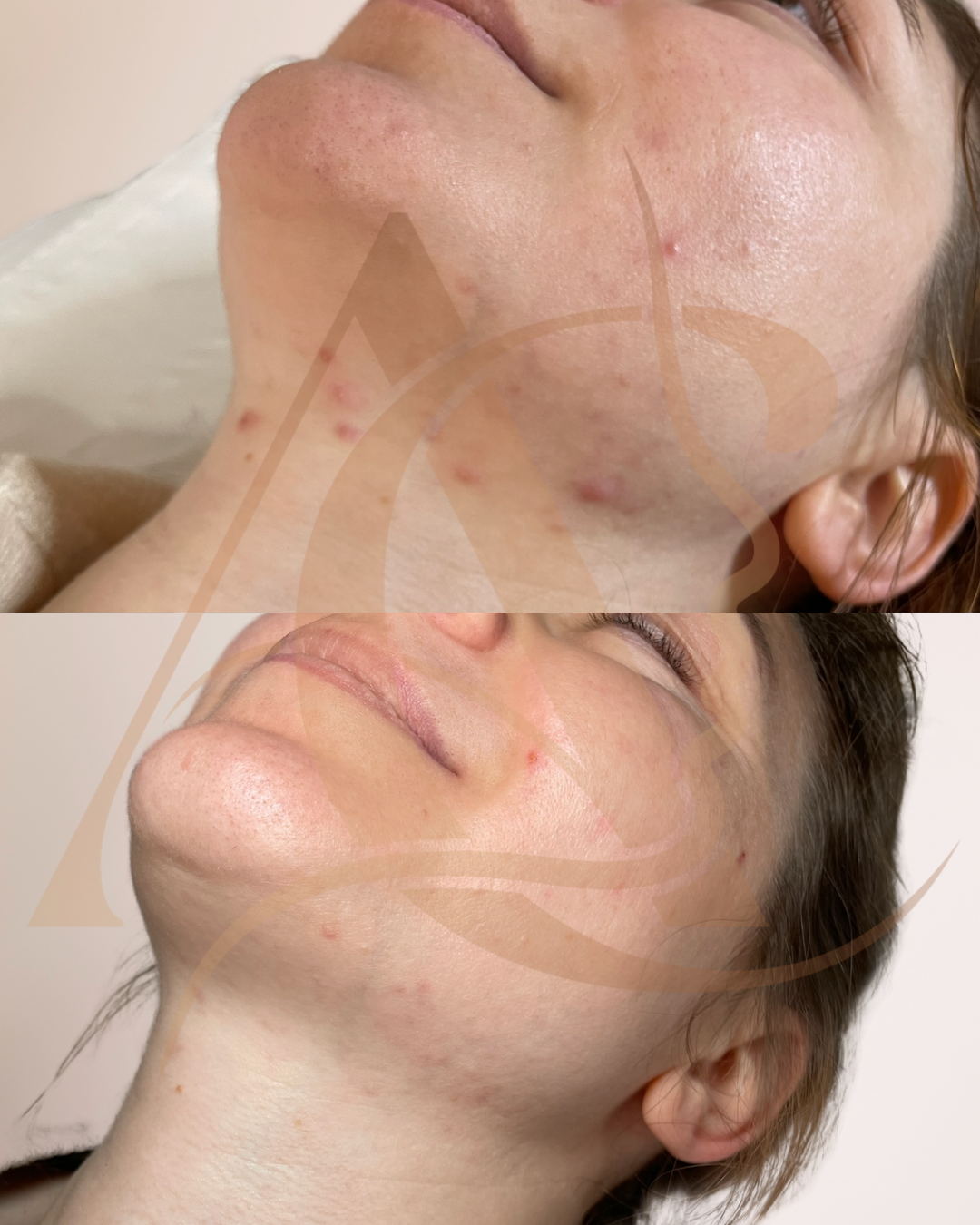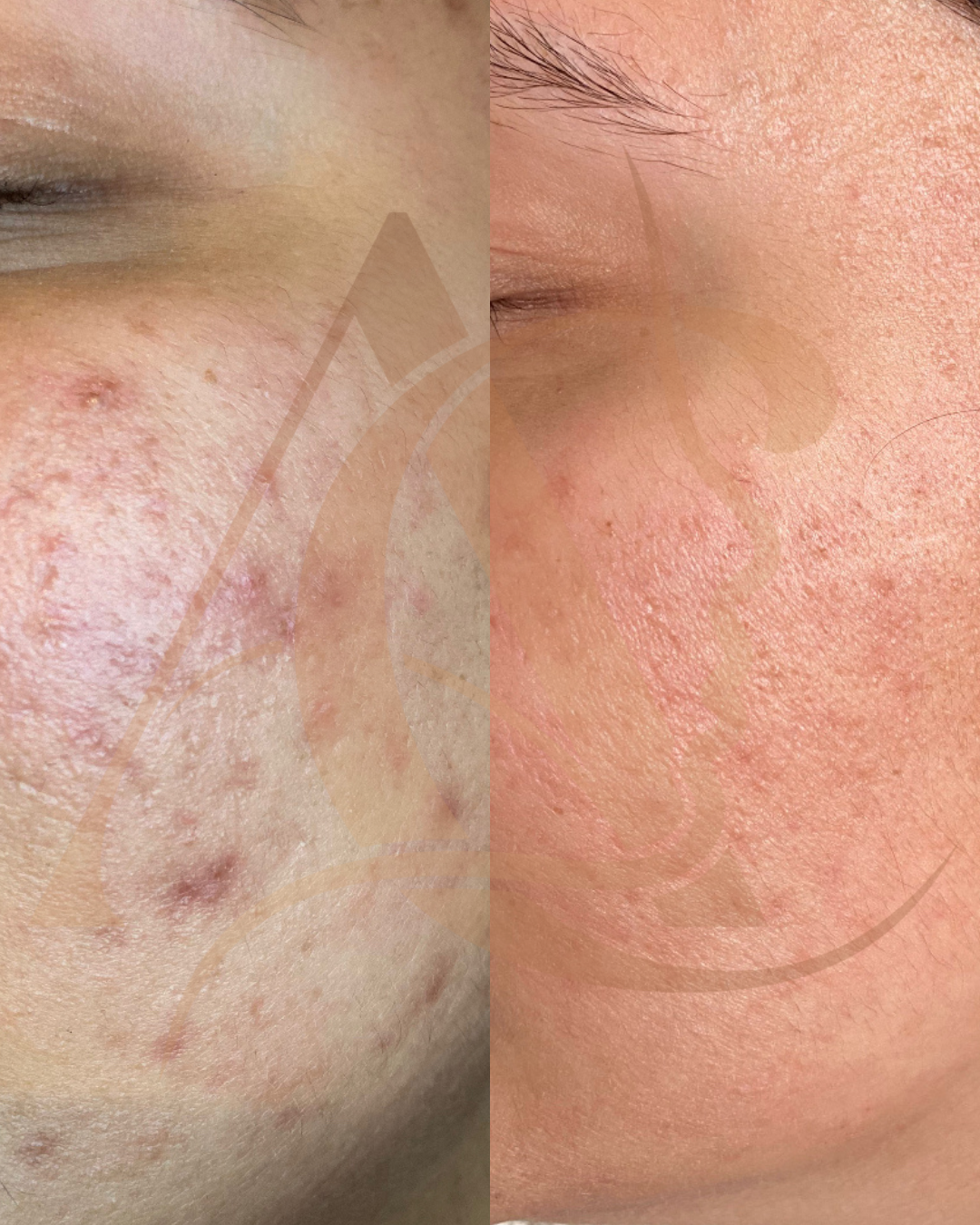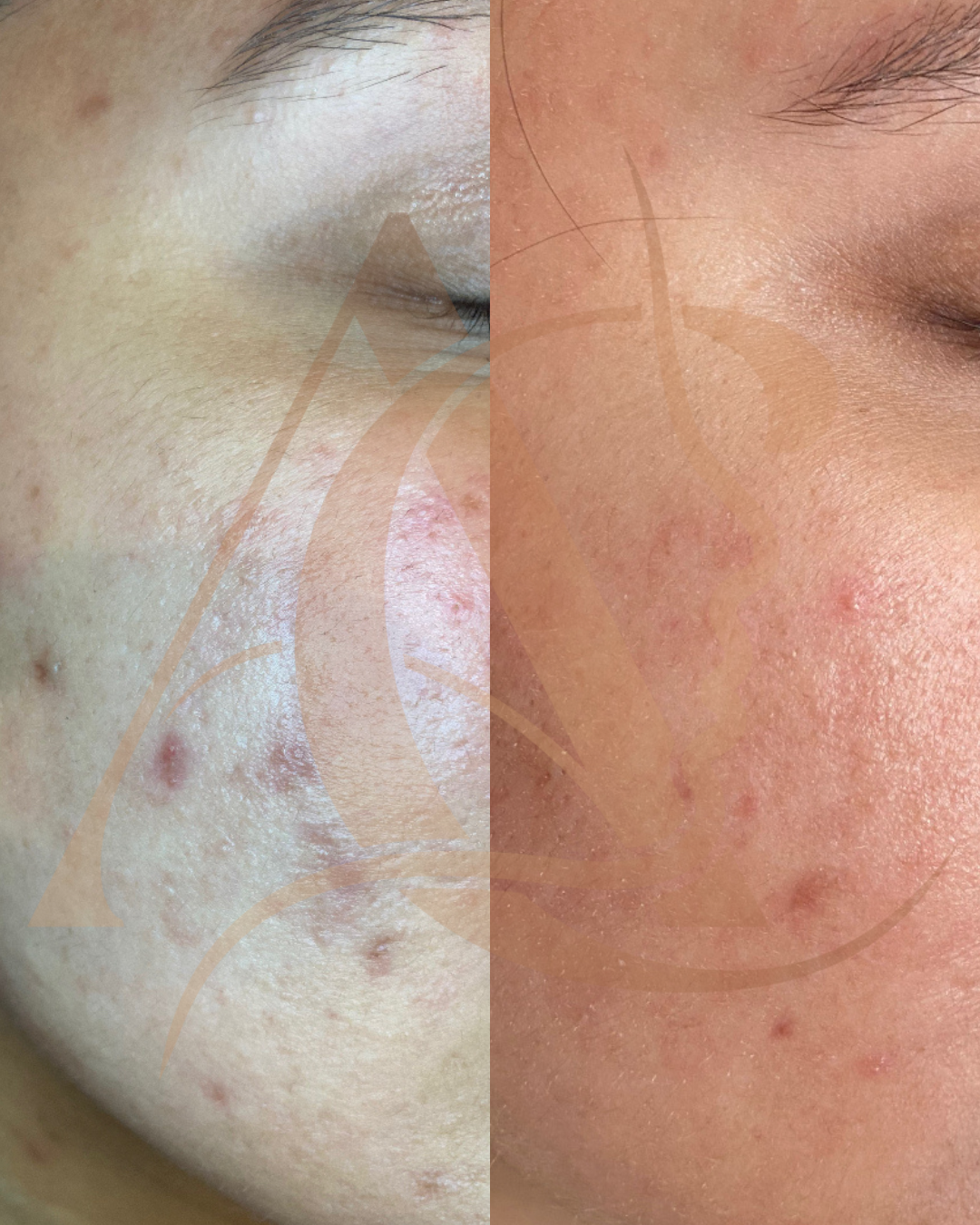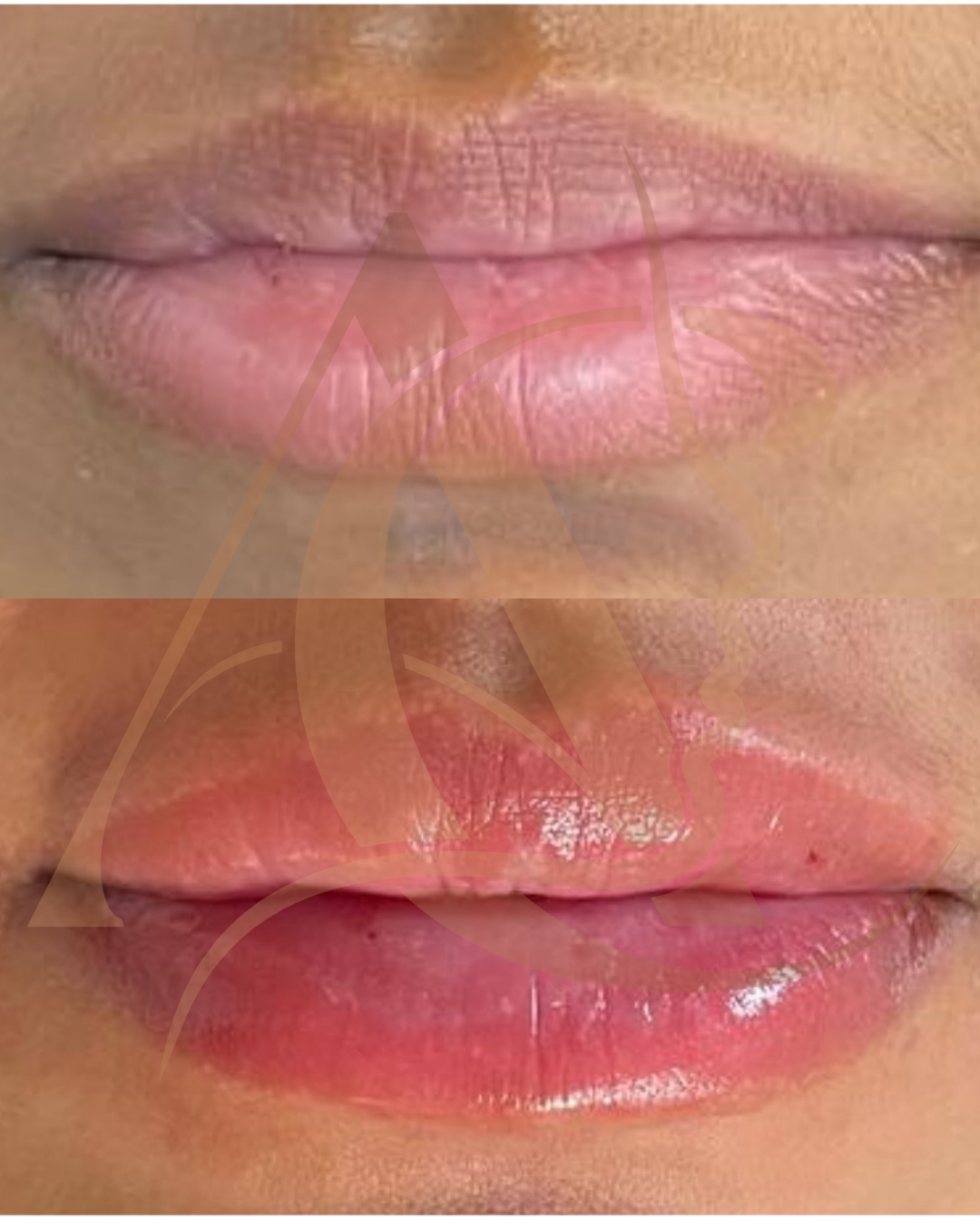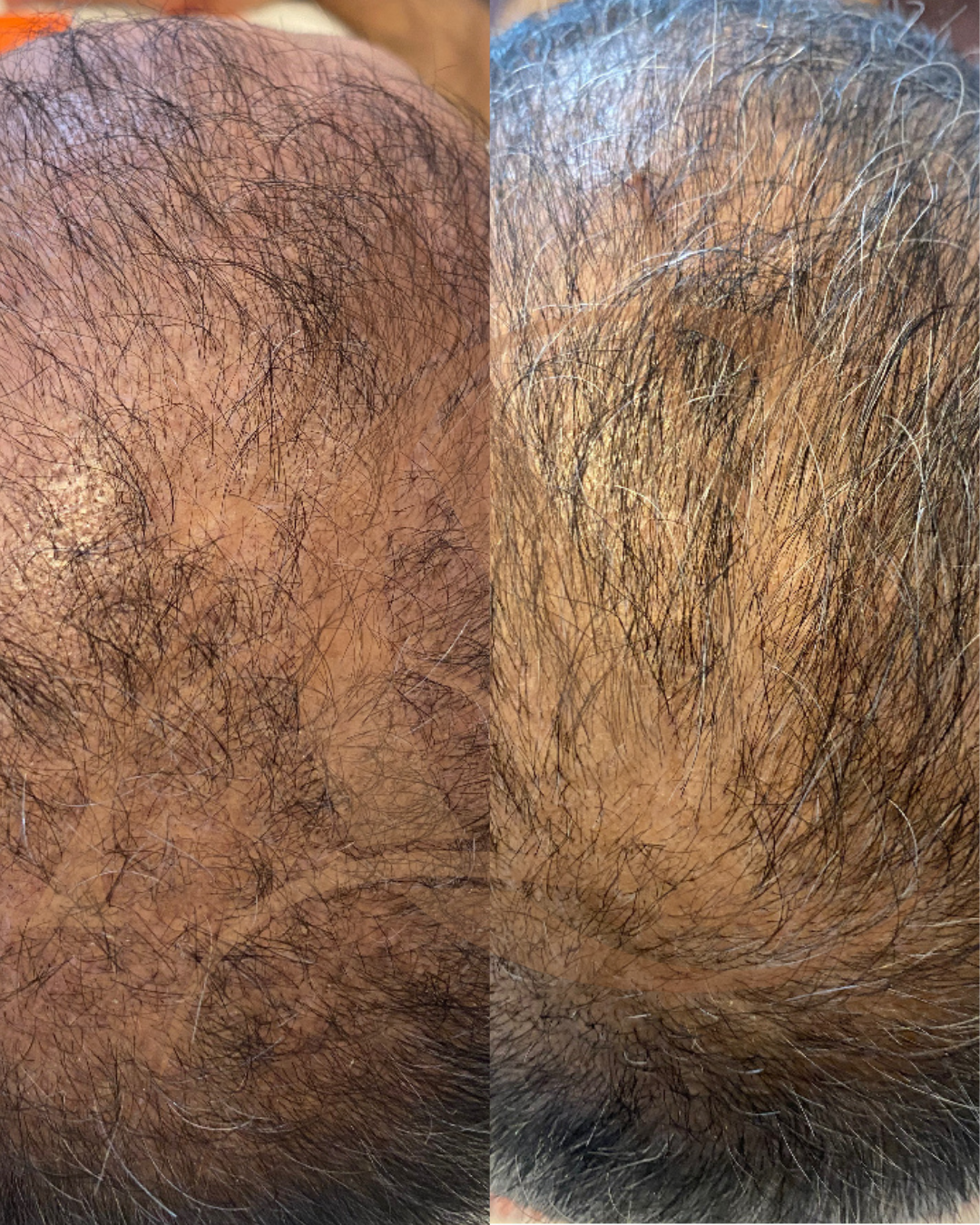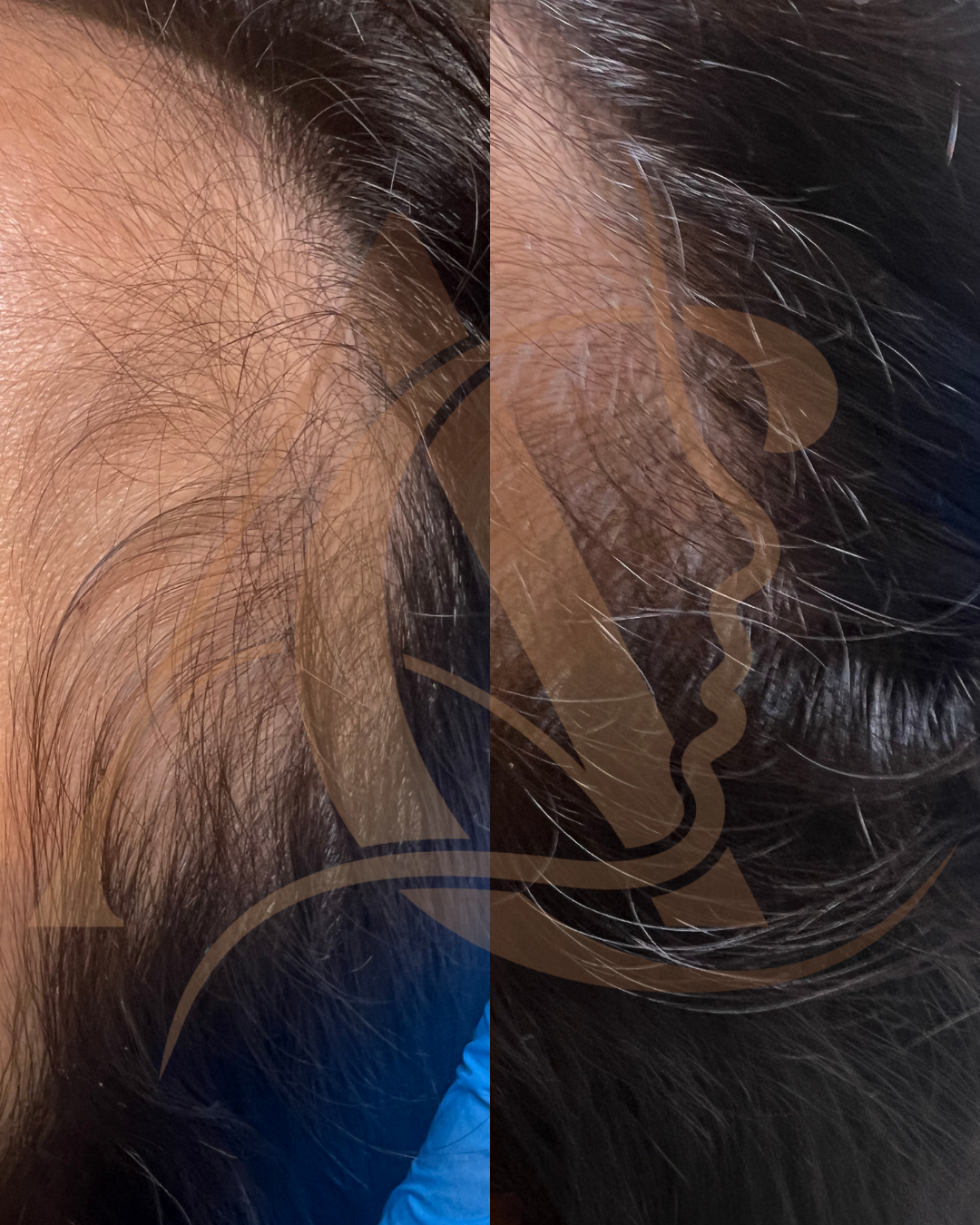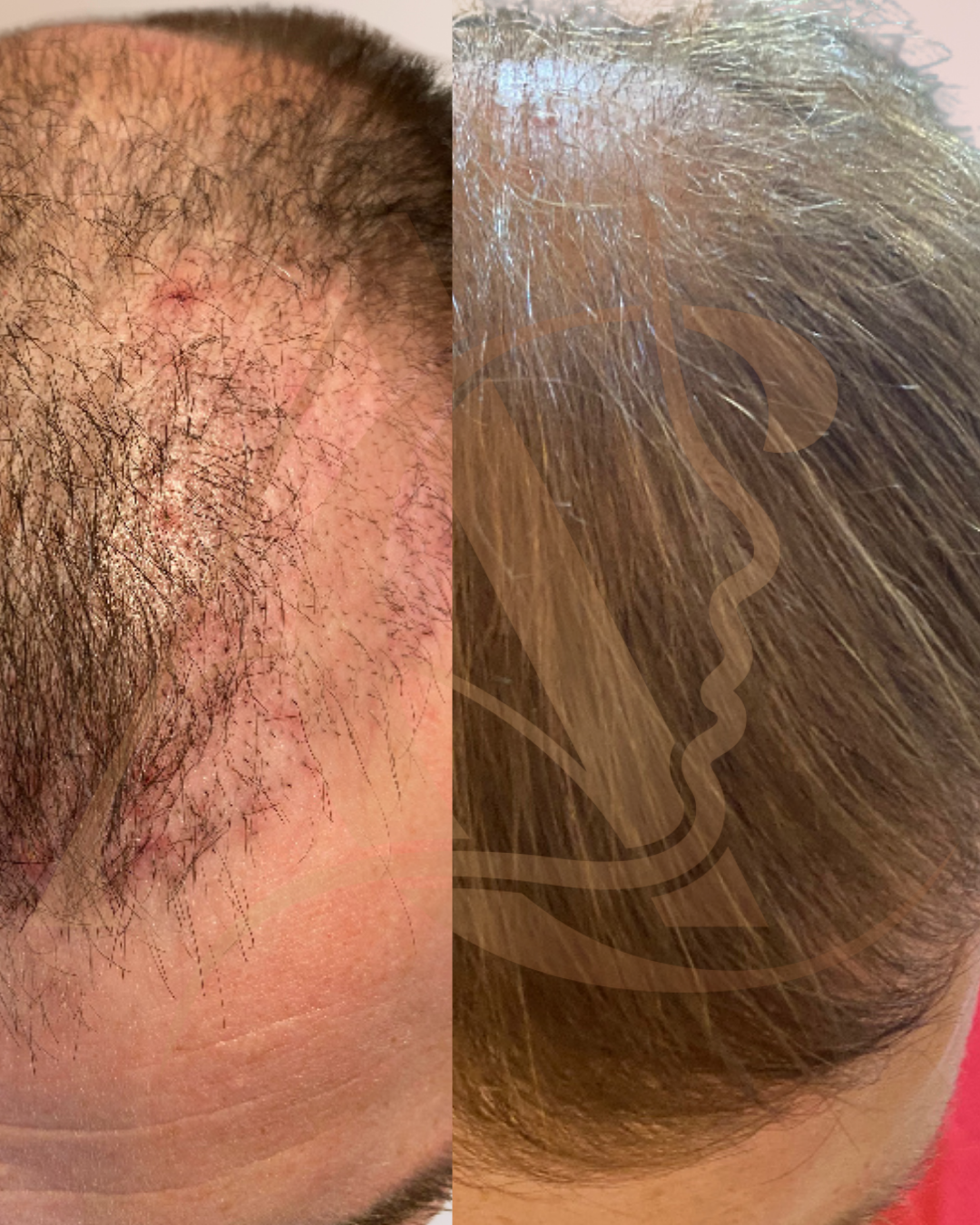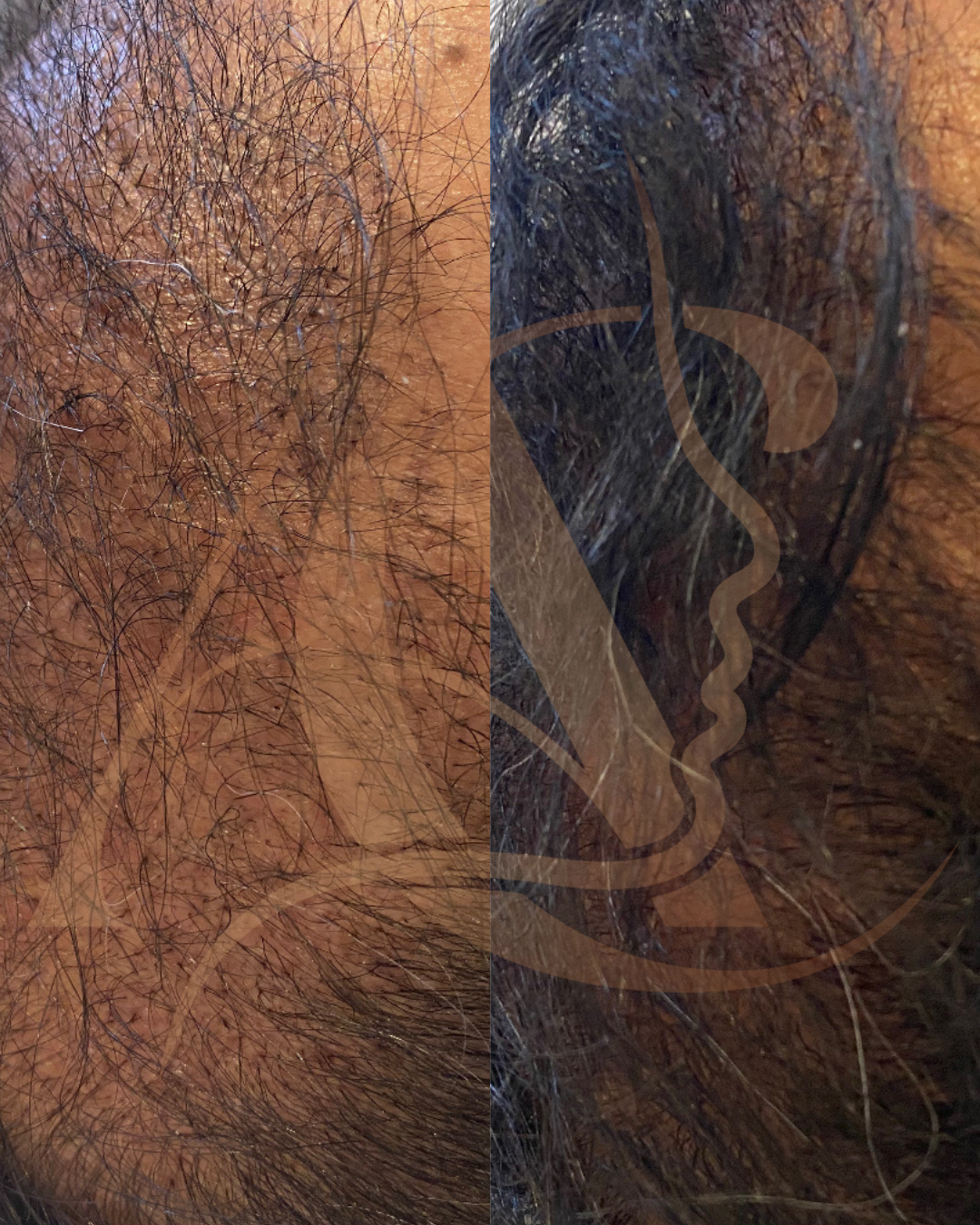
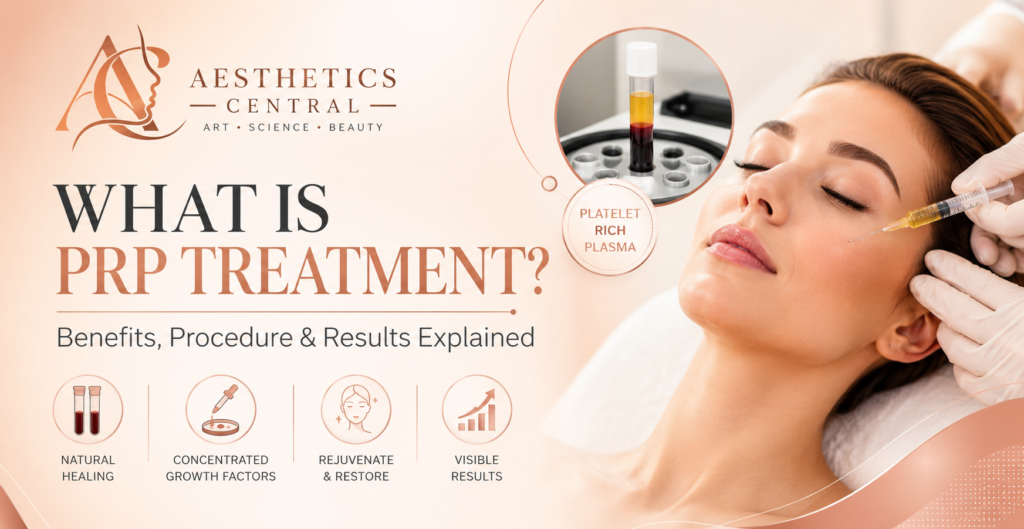
Platelet-Rich Plasma (PRP) treatment has become one of the most popular non-surgical aesthetic procedures for individuals looking to rejuvenate their skin or improve hair growth naturally. By using the healing properties found in your own blood, PRP stimulates tissue repair, collagen production, and cell regeneration without relying on synthetic substances.
Whether you’re considering PRP for facial rejuvenation, acne scars, or hair restoration, understanding how the treatment works can help you decide if it’s the right option for you. In this guide, we’ll explain the procedure, benefits, recovery, risks, and expected results.
What Is PRP Treatment?
Platelet-Rich Plasma (PRP) treatment is a regenerative procedure that uses a concentrated portion of your own blood to promote natural healing and tissue repair. Blood contains platelets that are rich in growth factors, proteins that help repair damaged tissue, stimulate collagen production, and encourage new cell growth.
During the procedure, a small amount of blood is drawn from your arm and processed in a centrifuge to separate the platelet-rich plasma from other blood components. The concentrated PRP is then injected into targeted areas or applied alongside treatments such as microneedling to enhance skin rejuvenation.
Because PRP is made from your own blood, the risk of allergic reactions or rejection is very low.
How Does PRP Treatment Work?
PRP treatment is designed to stimulate the body’s natural healing process. The procedure typically follows these steps:
- Consultation: A qualified clinician assesses your skin or hair concerns and determines whether PRP is suitable for you.
- Blood Collection: A small sample of blood is taken from your arm.
- Centrifugation: The blood is spun in a centrifuge to separate the platelet-rich plasma.
- Application or Injection: The PRP is injected into the treatment area or applied during microneedling.
- Healing Process: Growth factors released by the platelets encourage collagen production, improve blood circulation, and stimulate tissue regeneration.
Most PRP appointments take between 45 and 60 minutes, depending on the treatment area.
Benefits of PRP Treatment
PRP has gained popularity because it offers natural-looking improvements with minimal downtime.
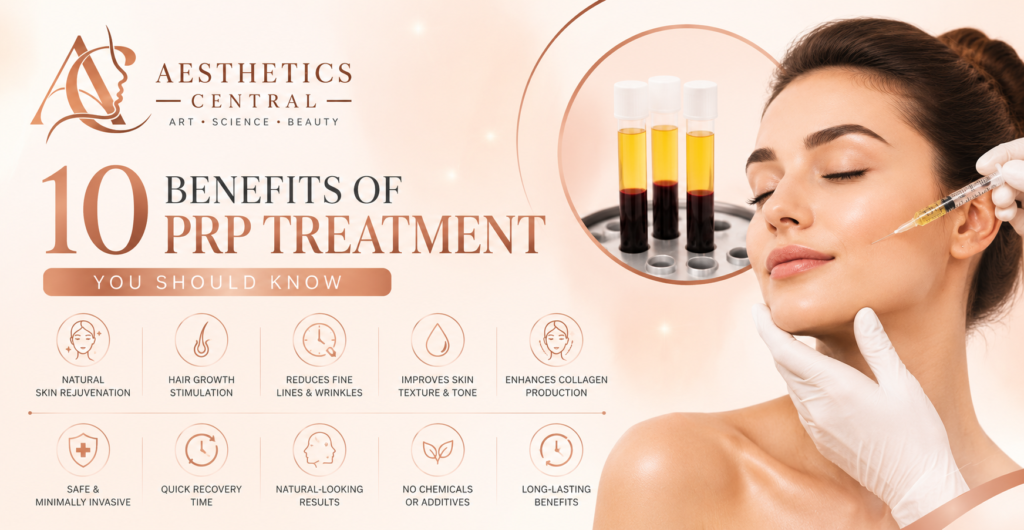
Some of the key benefits include:
- Stimulates natural collagen production
- Improves skin texture and elasticity
- Reduces the appearance of fine lines and wrinkles
- Helps improve acne scars
- Supports healthier hair growth
- Uses your own blood, reducing the risk of allergic reactions
- Minimal downtime compared to surgical procedures
- Suitable for both men and women
Results develop gradually as the body’s natural healing response takes place.
Common Uses of PRP Treatment
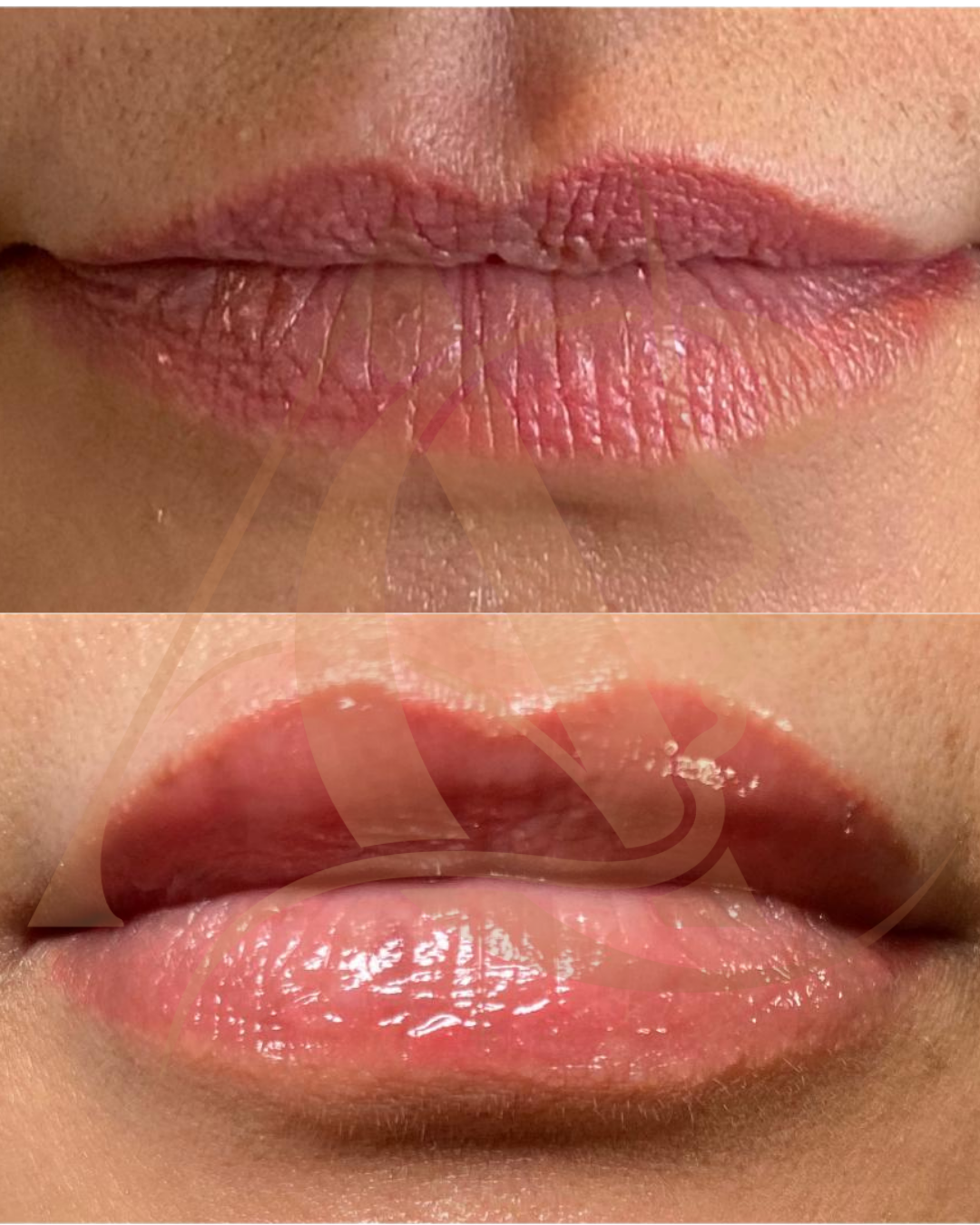
PRP for Skin Rejuvenation
PRP is commonly used to improve:
- Fine lines and wrinkles
- Dull or tired-looking skin
- Uneven skin tone
- Mild skin laxity
- Enlarged pores
- Acne scars
When combined with microneedling, PRP can further enhance collagen production and improve overall skin quality.
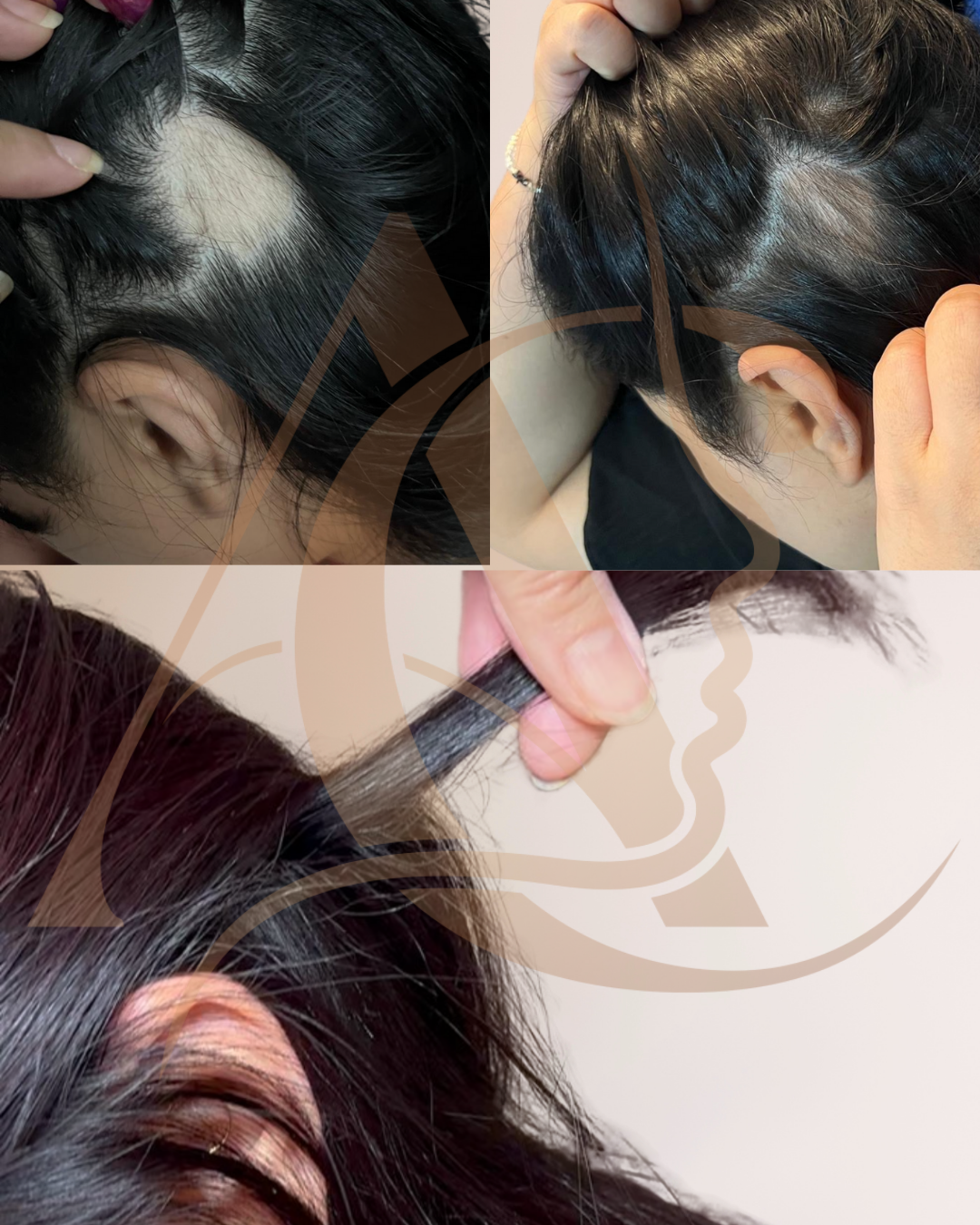
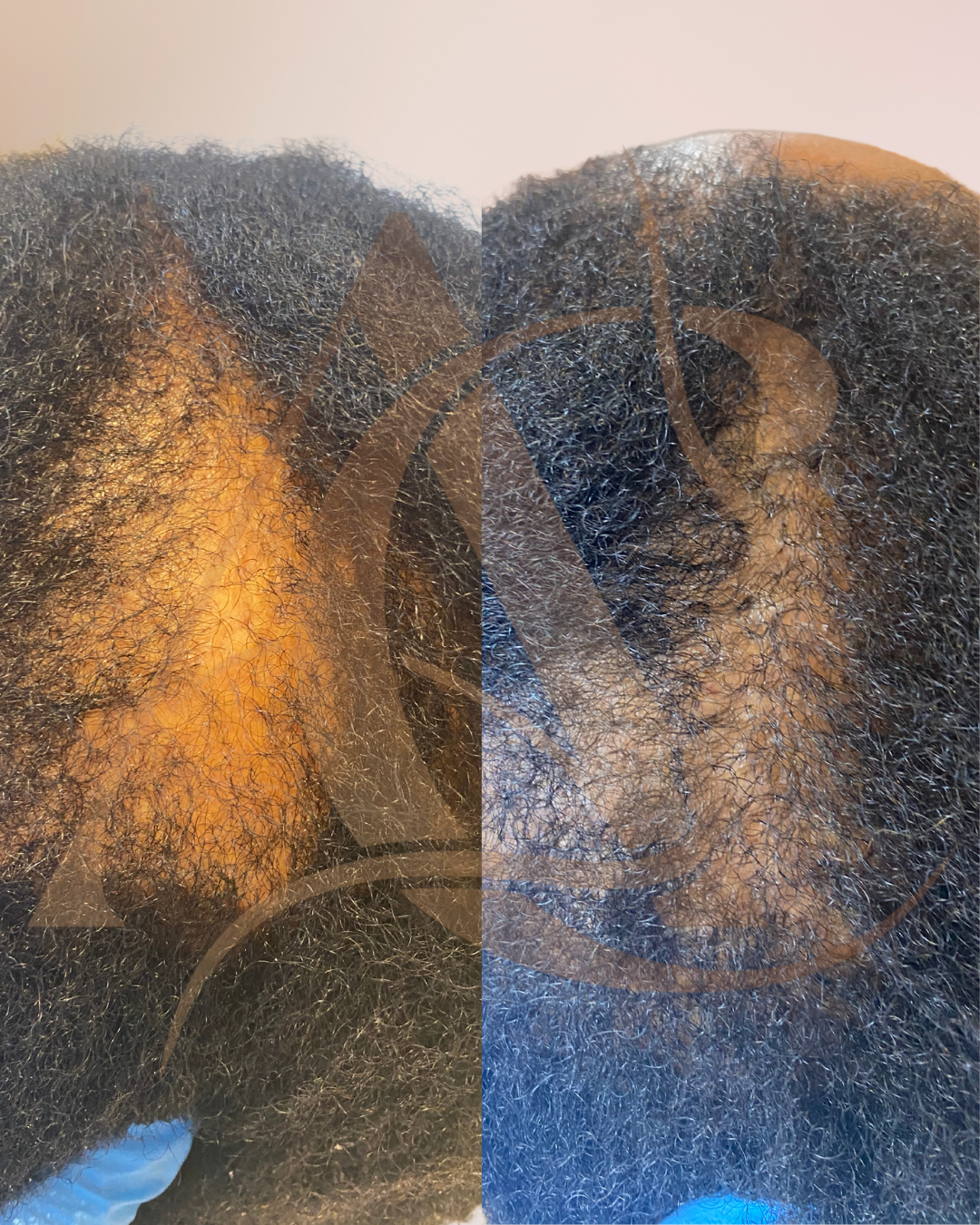
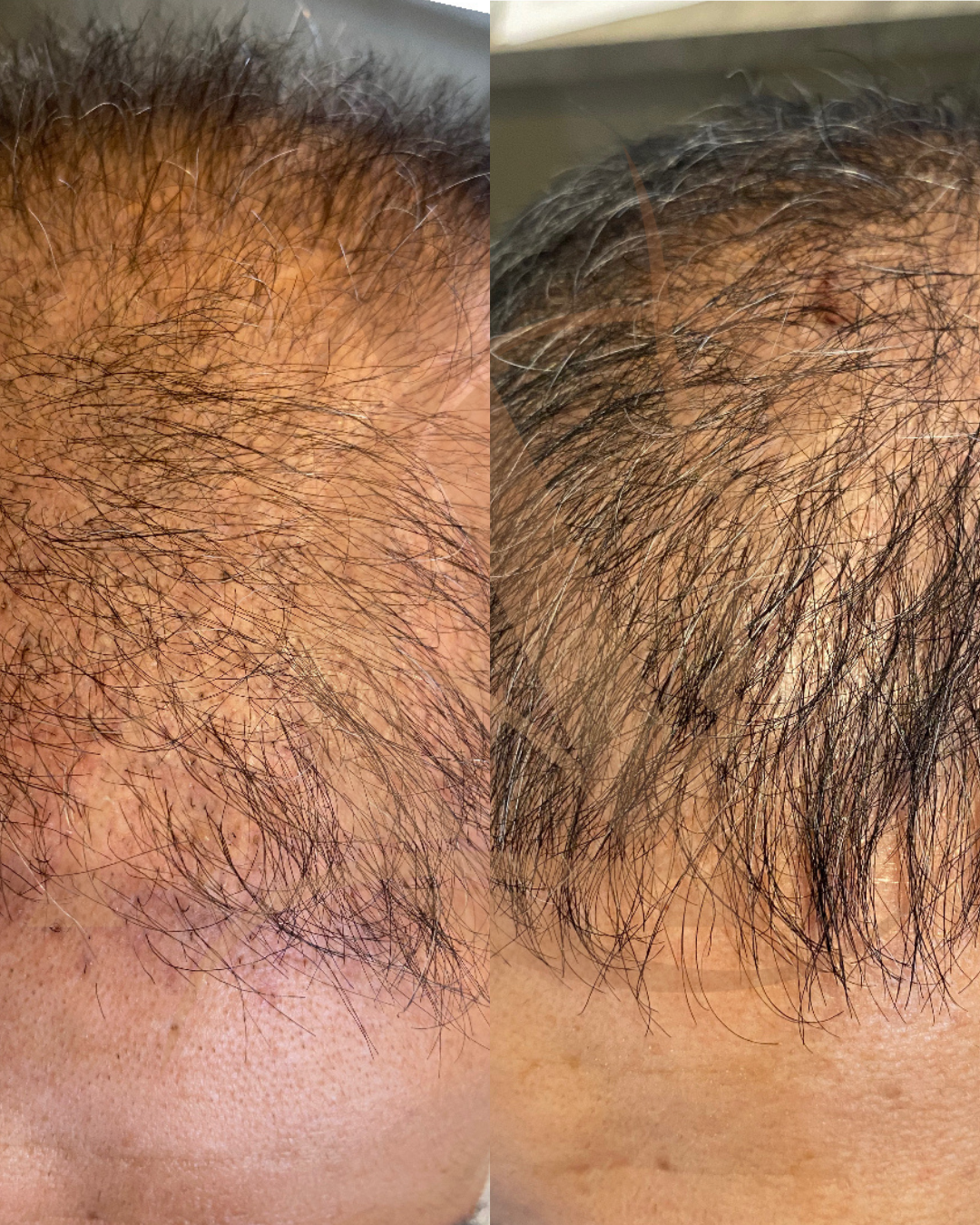
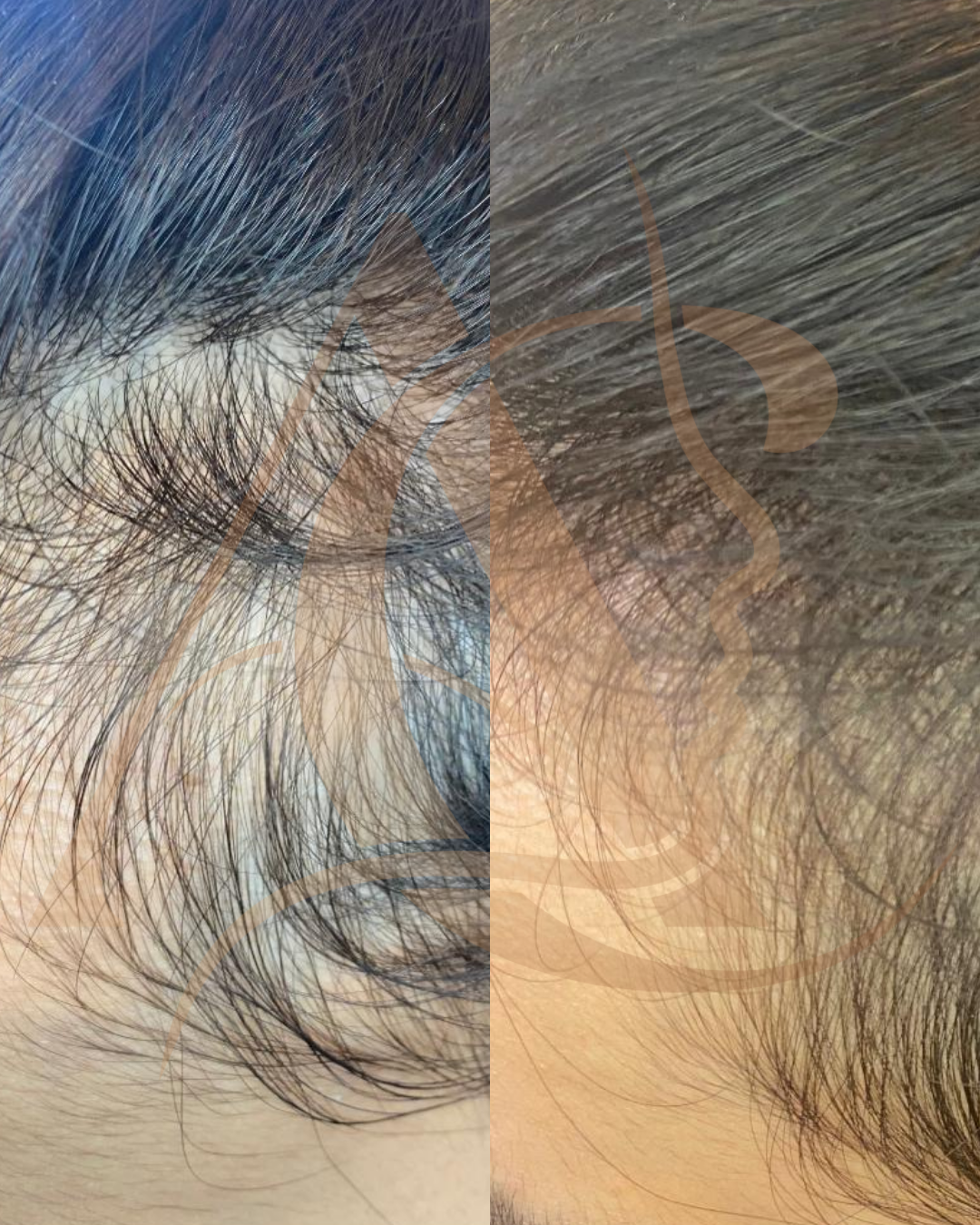
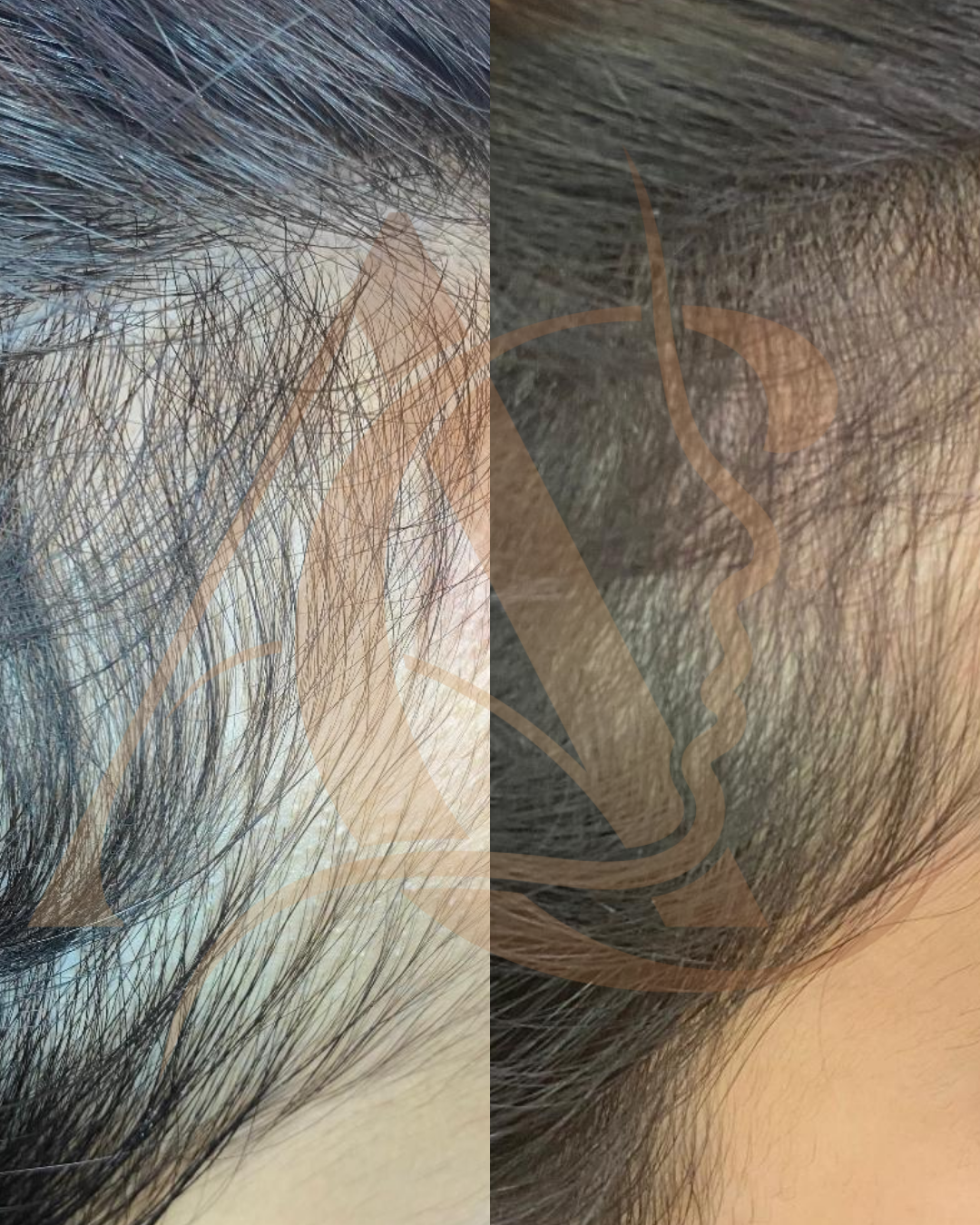
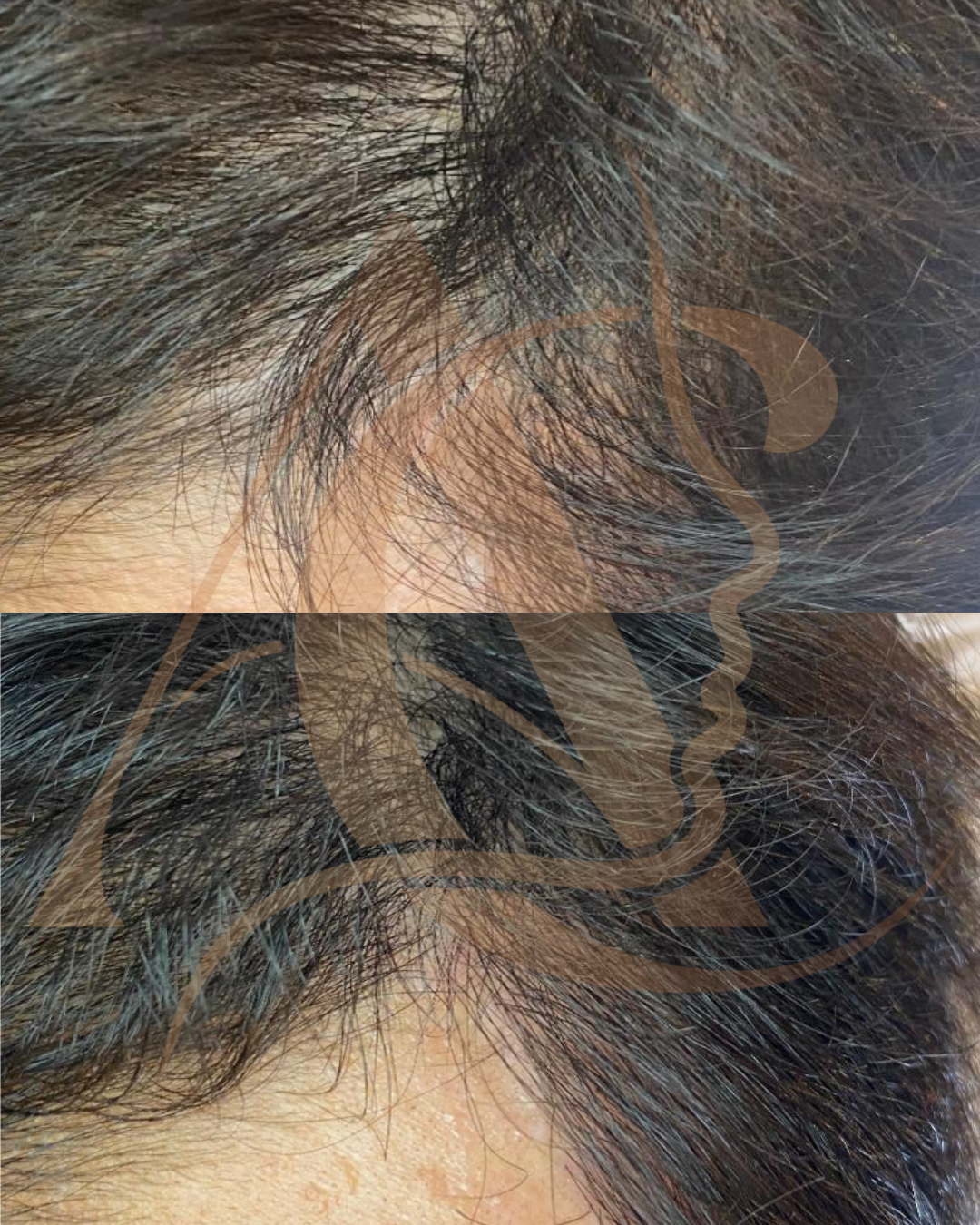
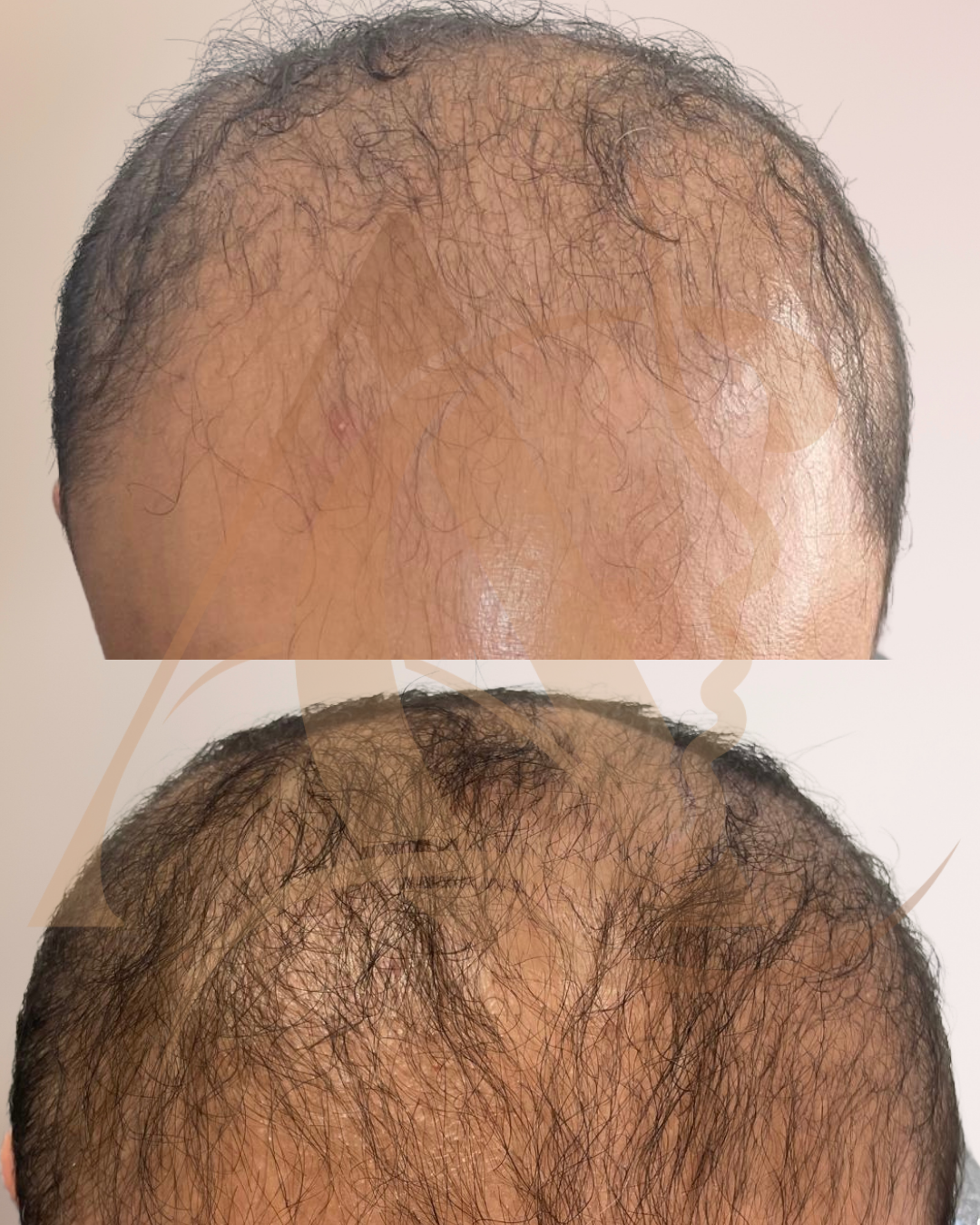
PRP for Hair Loss
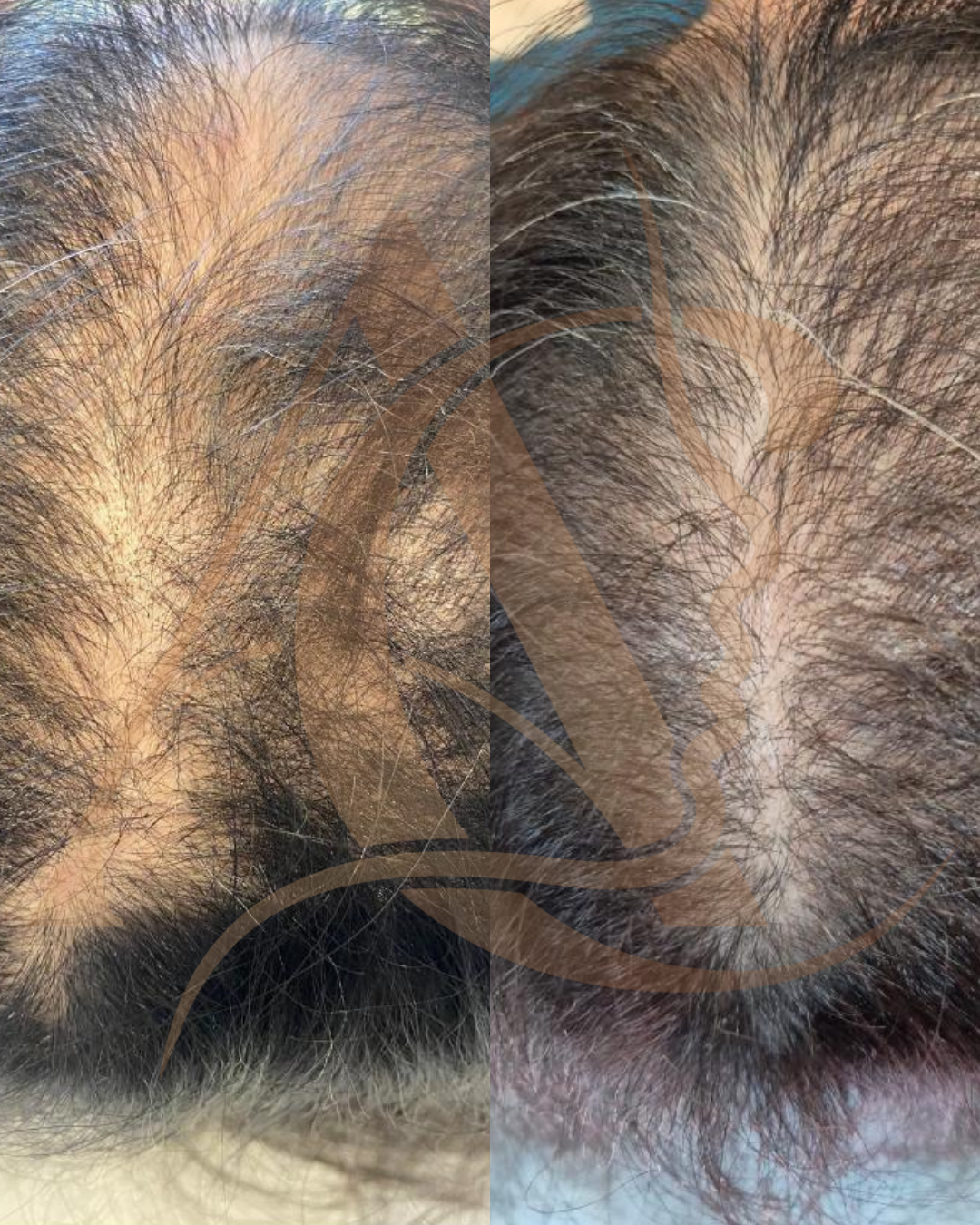
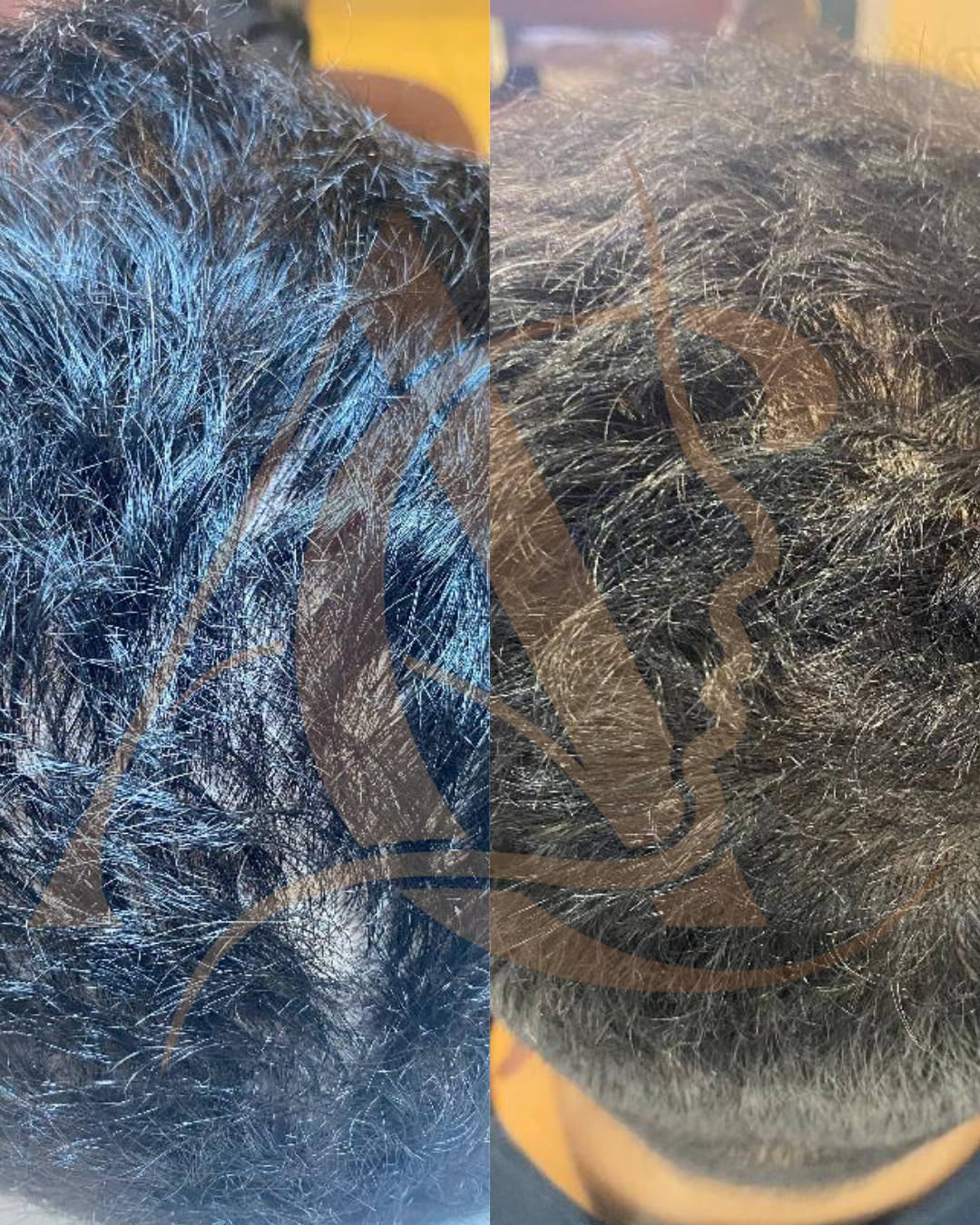
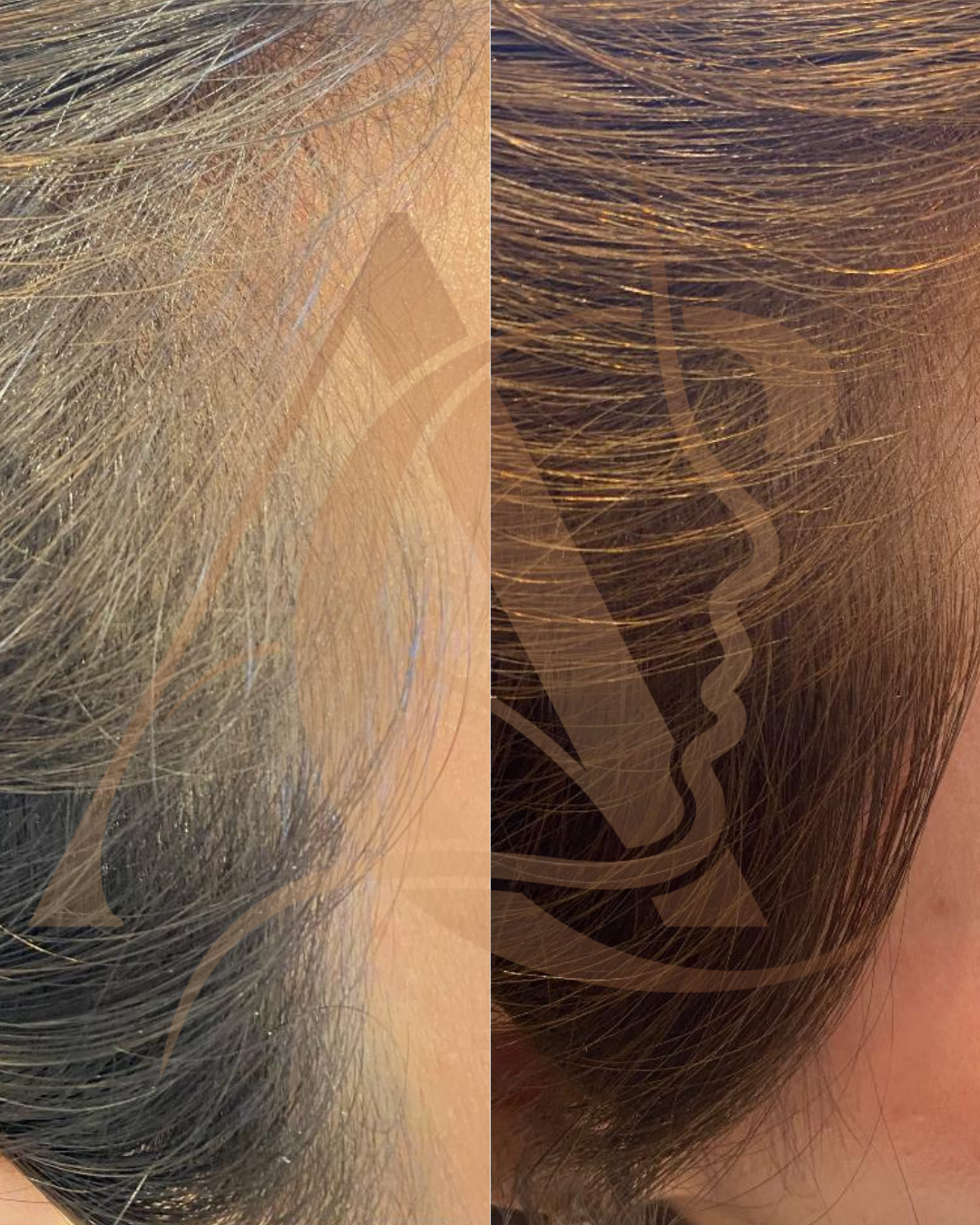
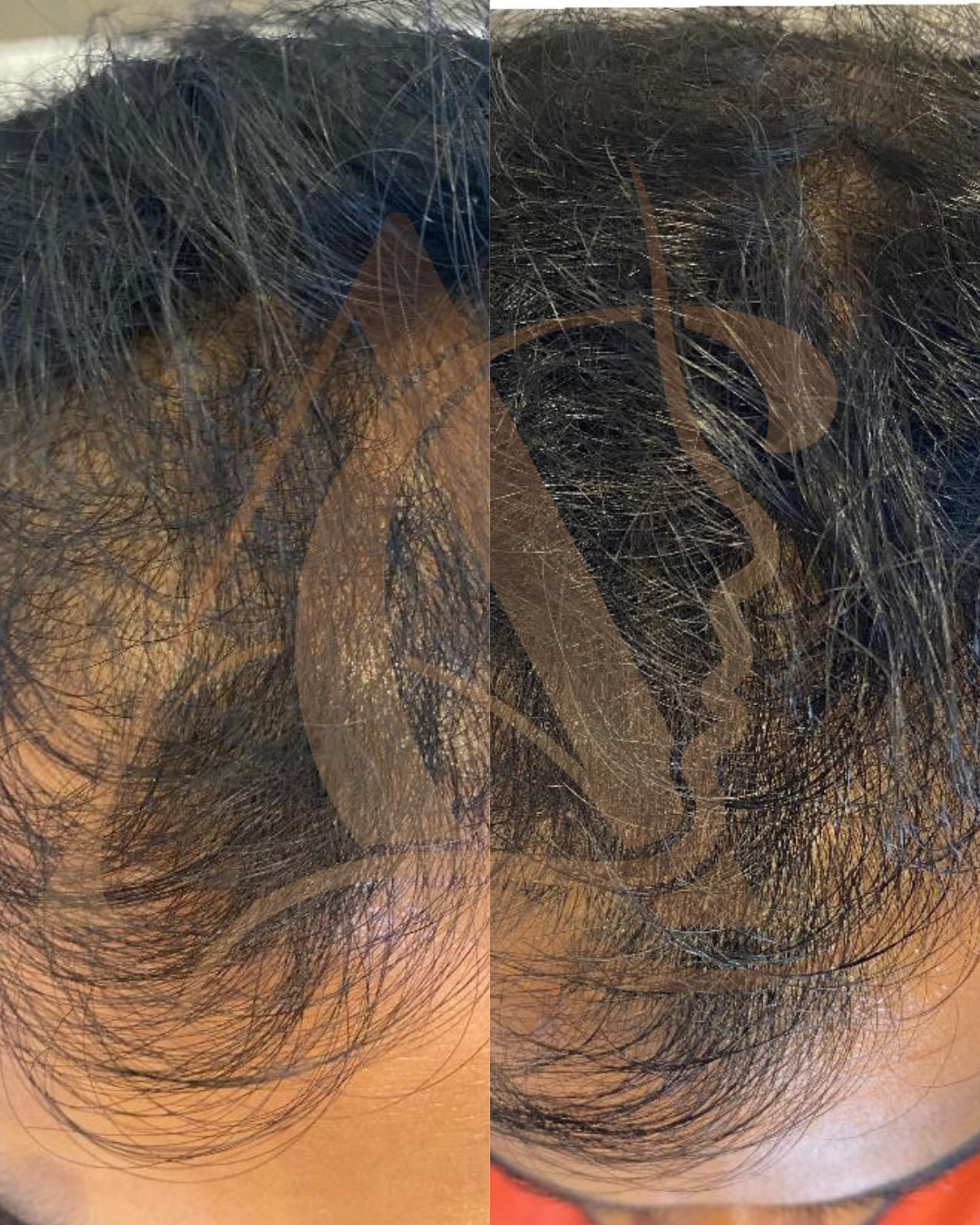
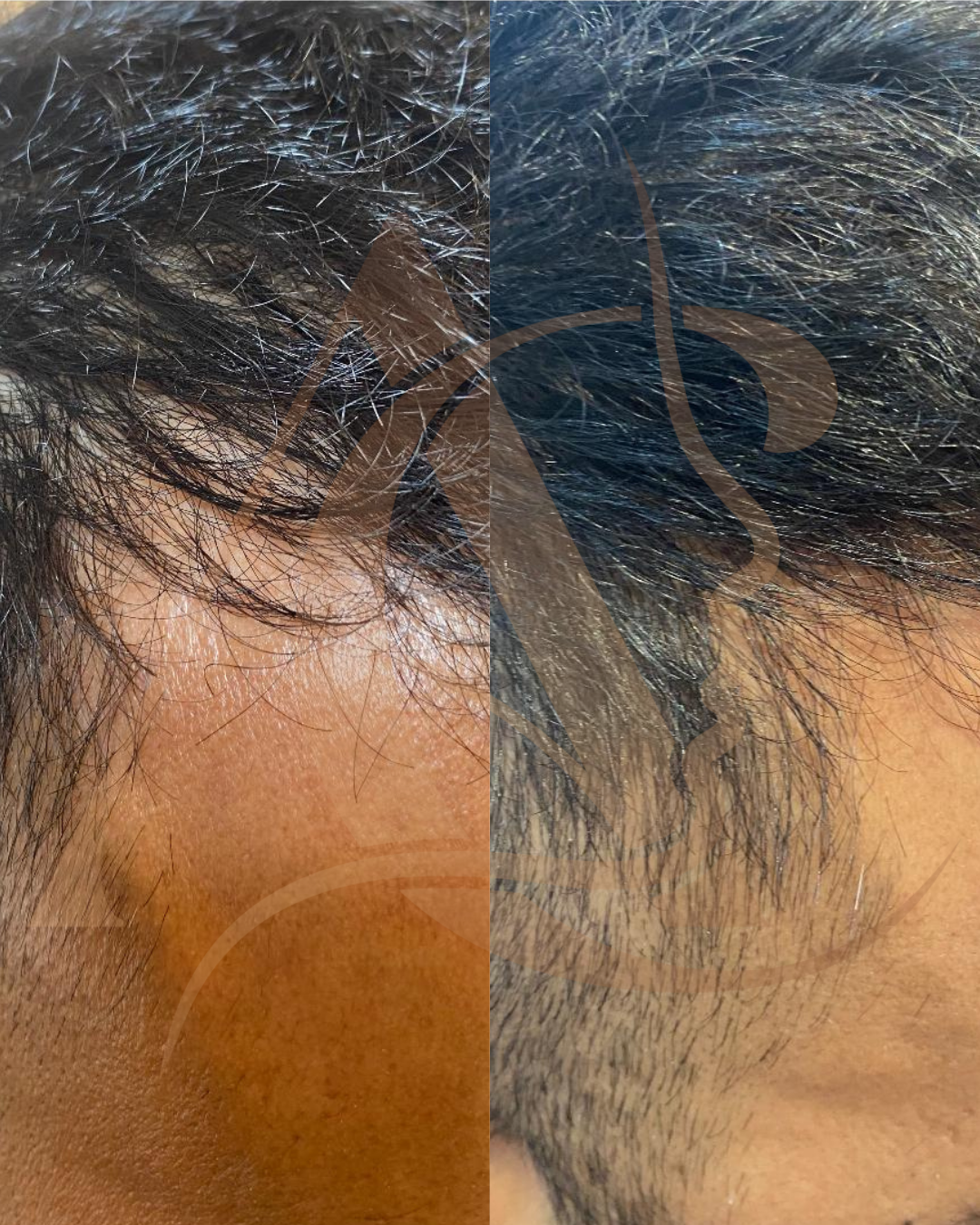
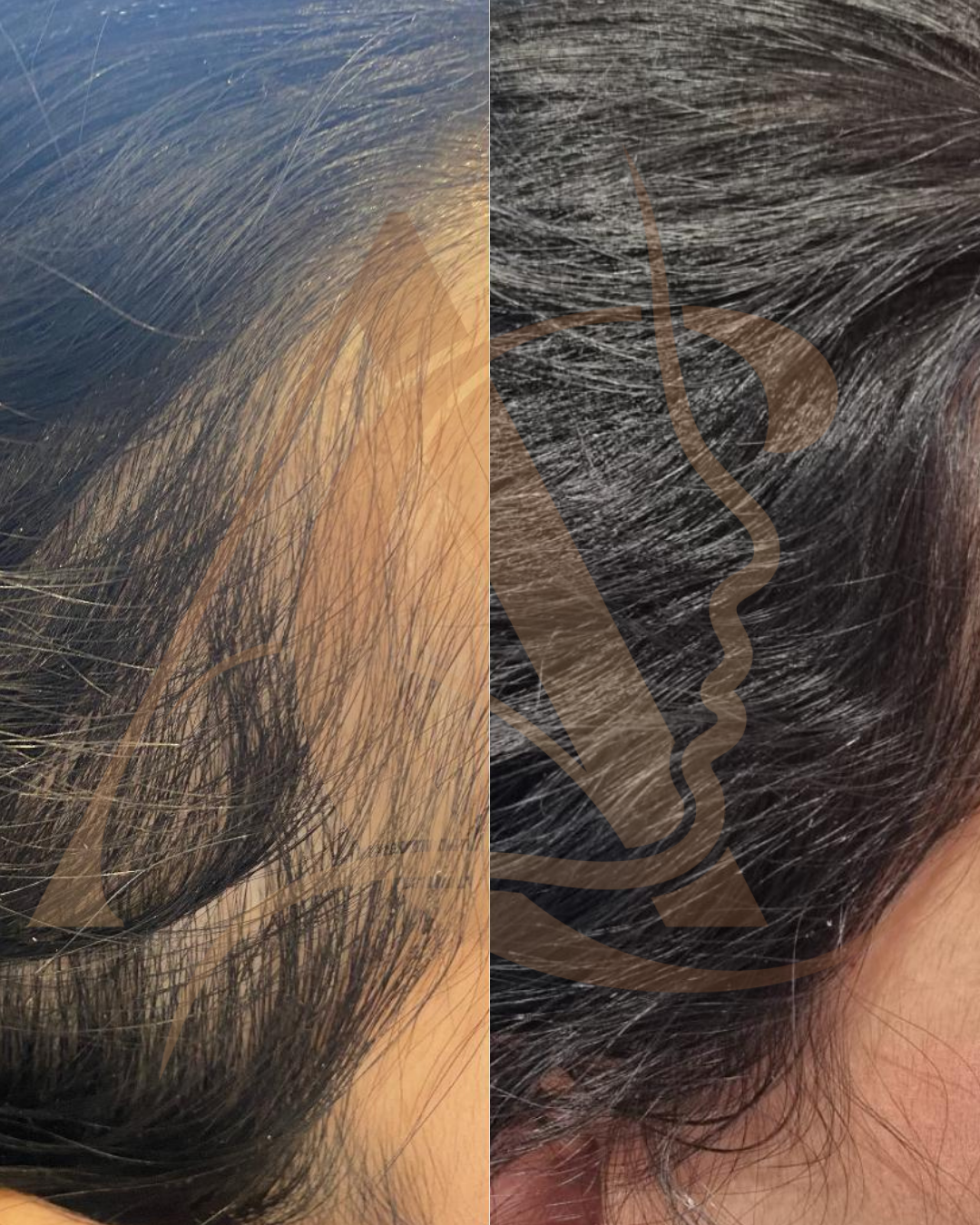
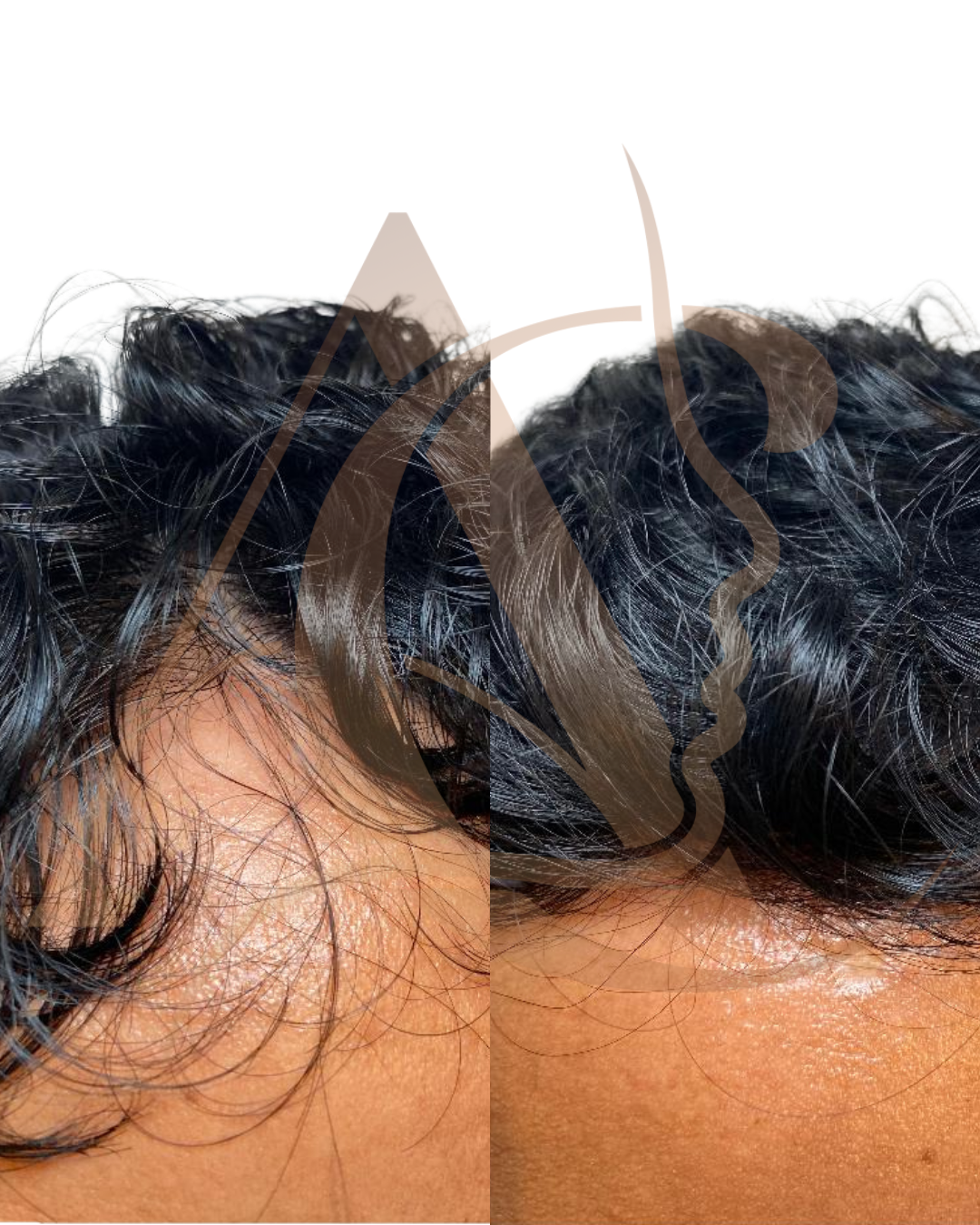
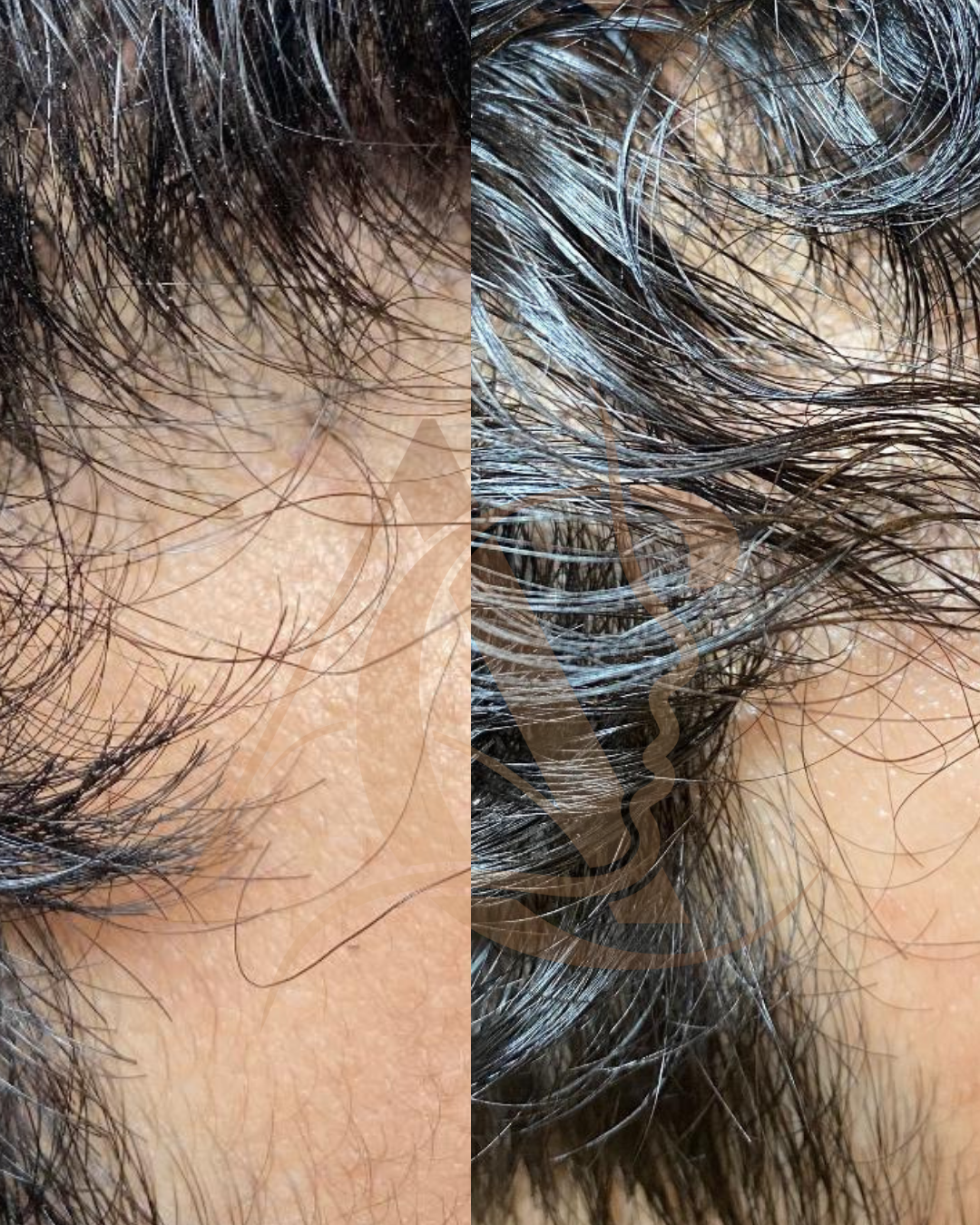
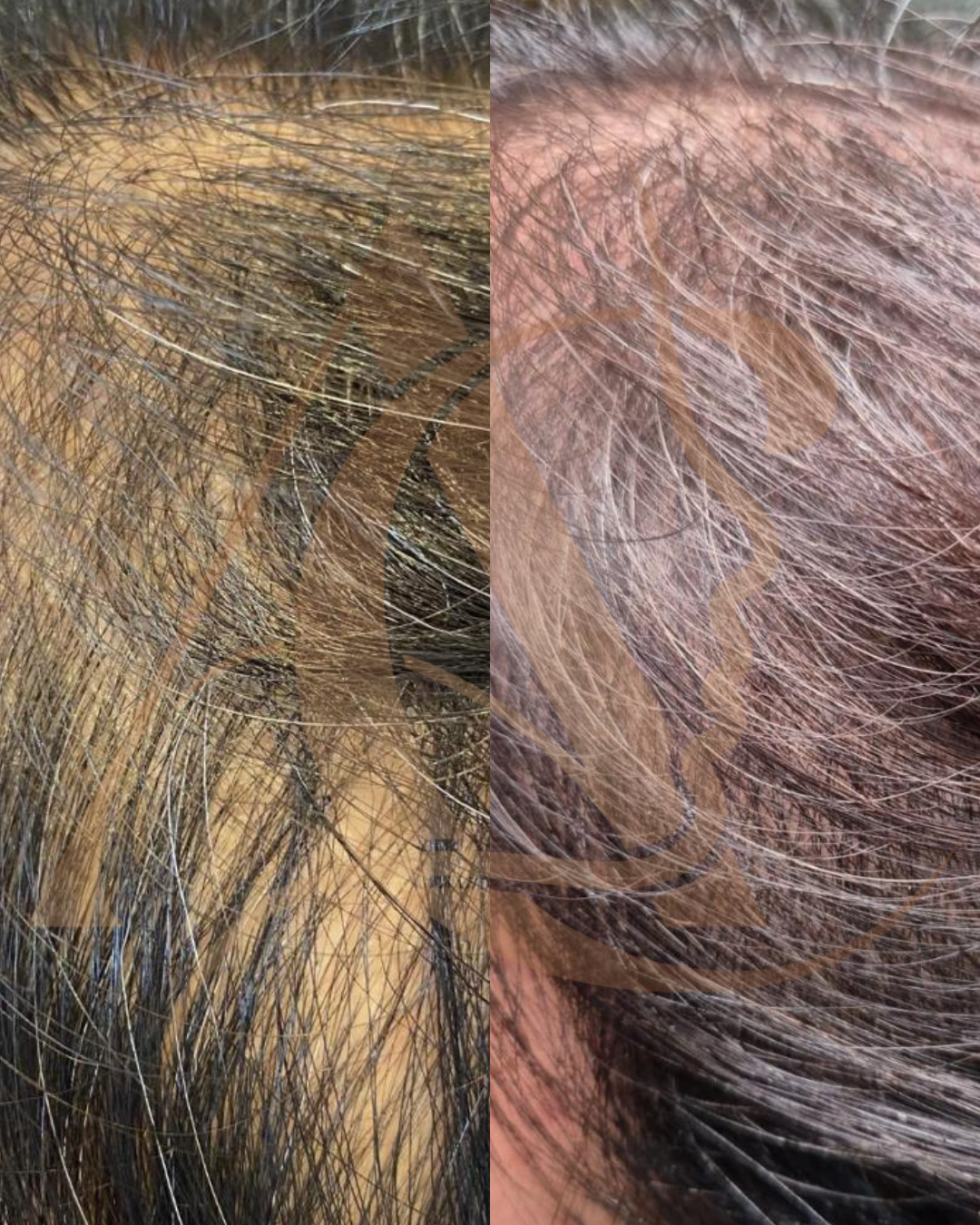
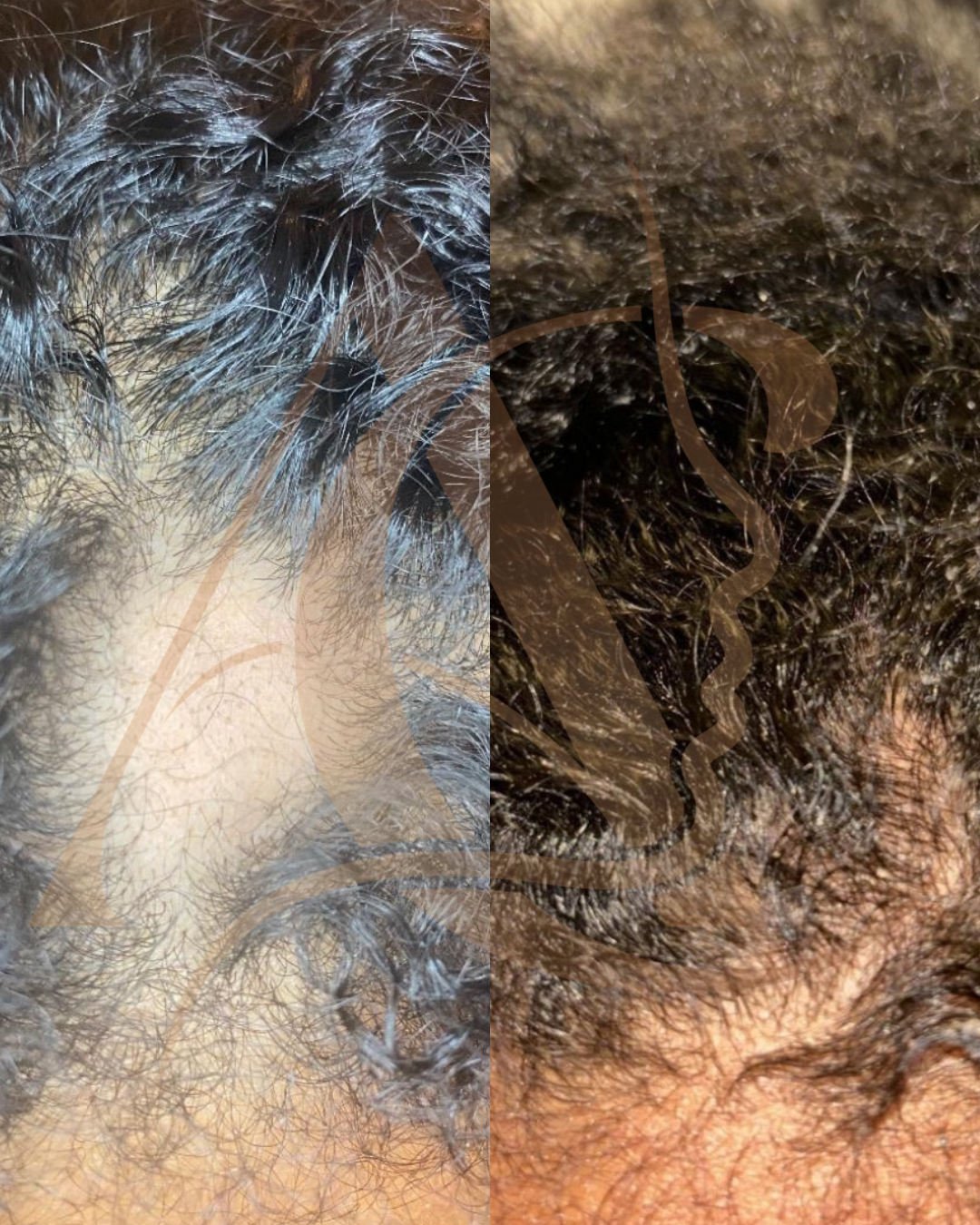
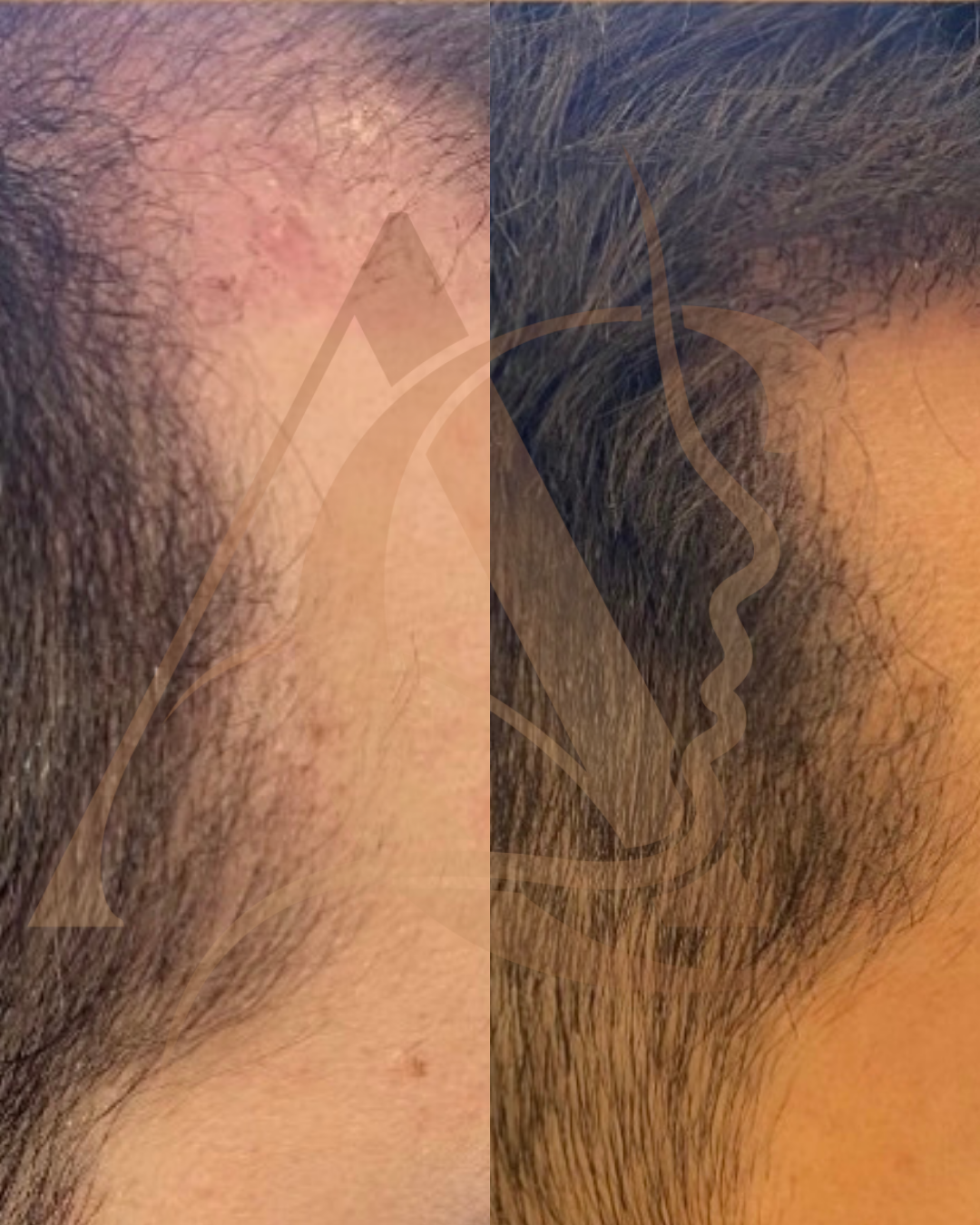
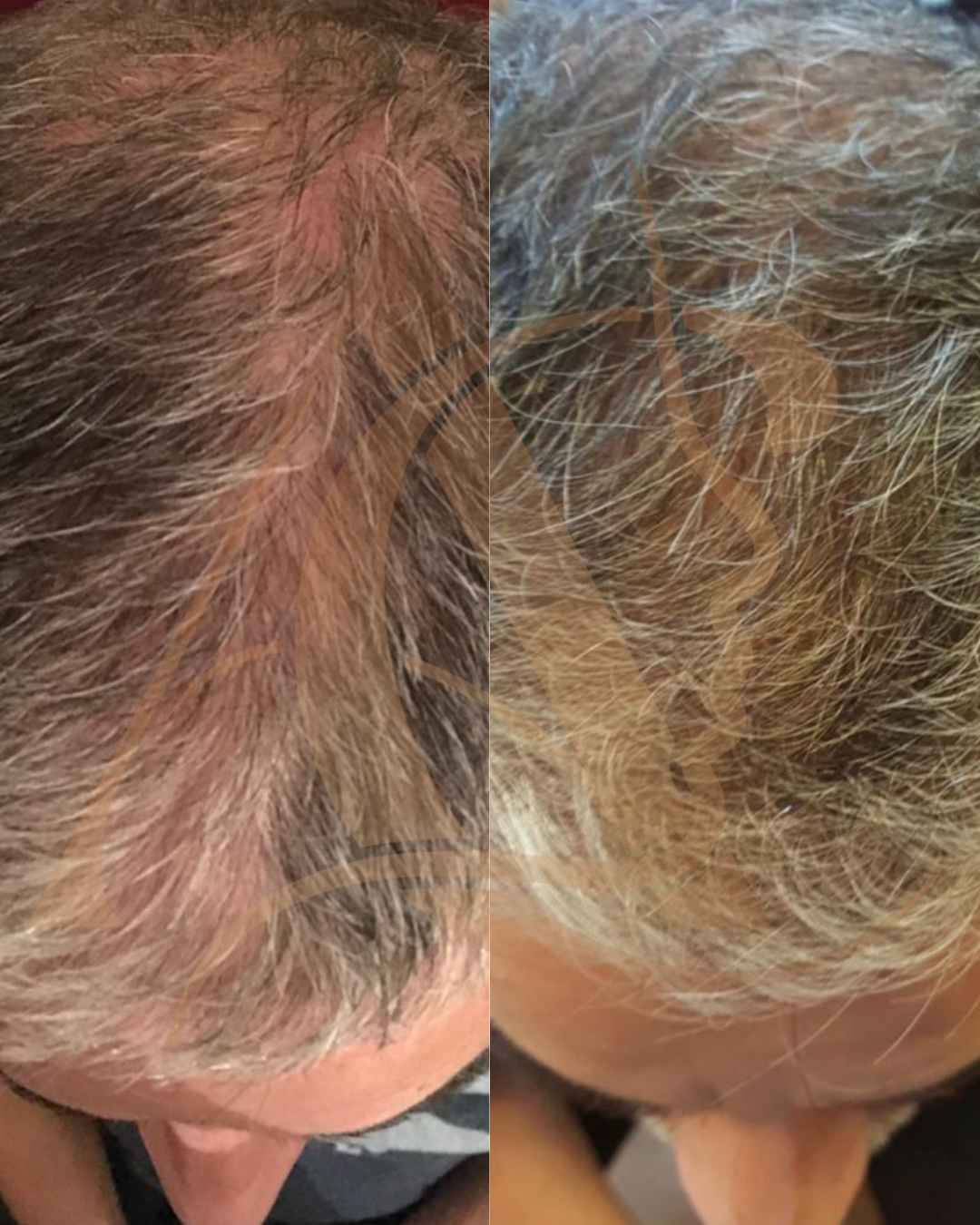
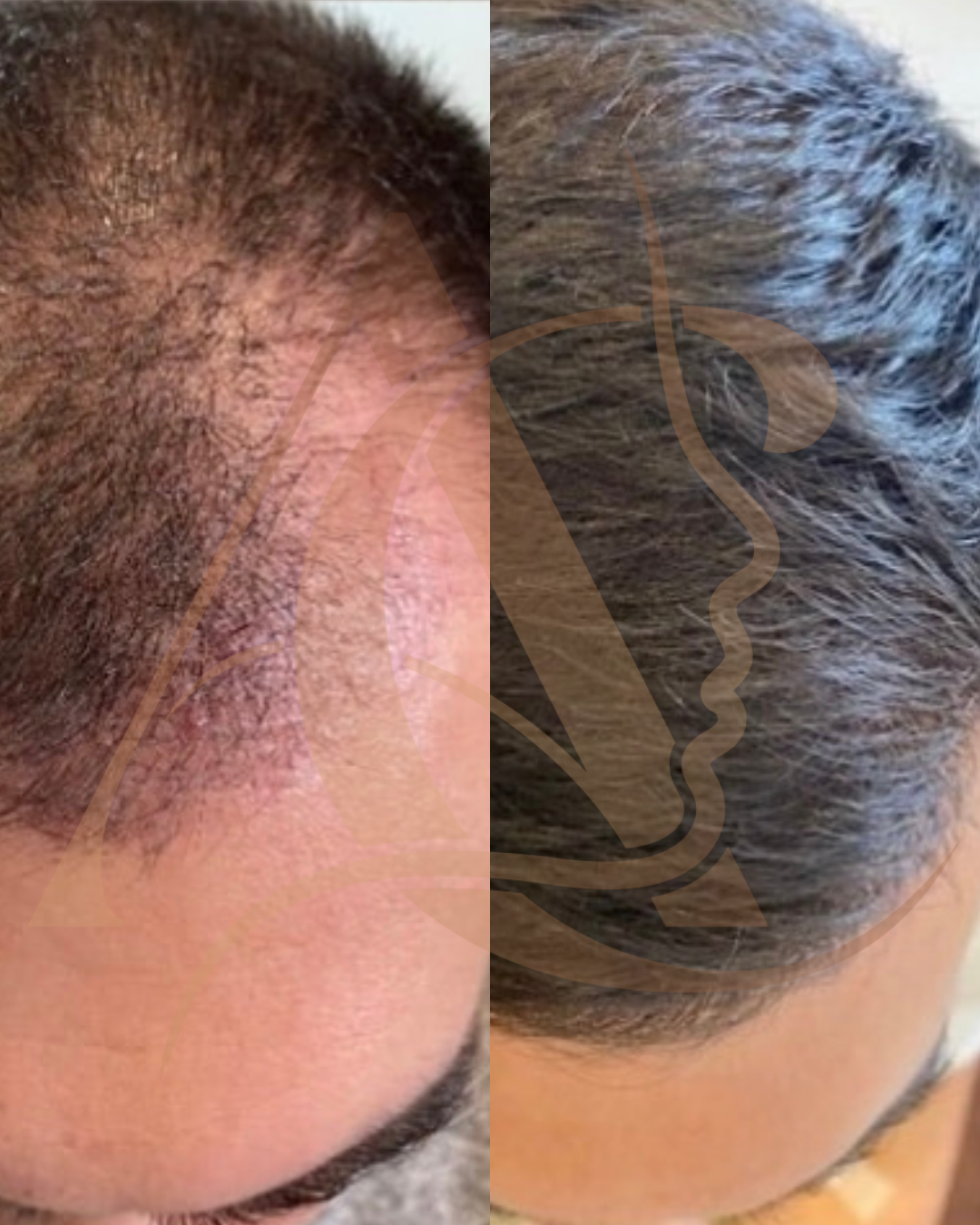
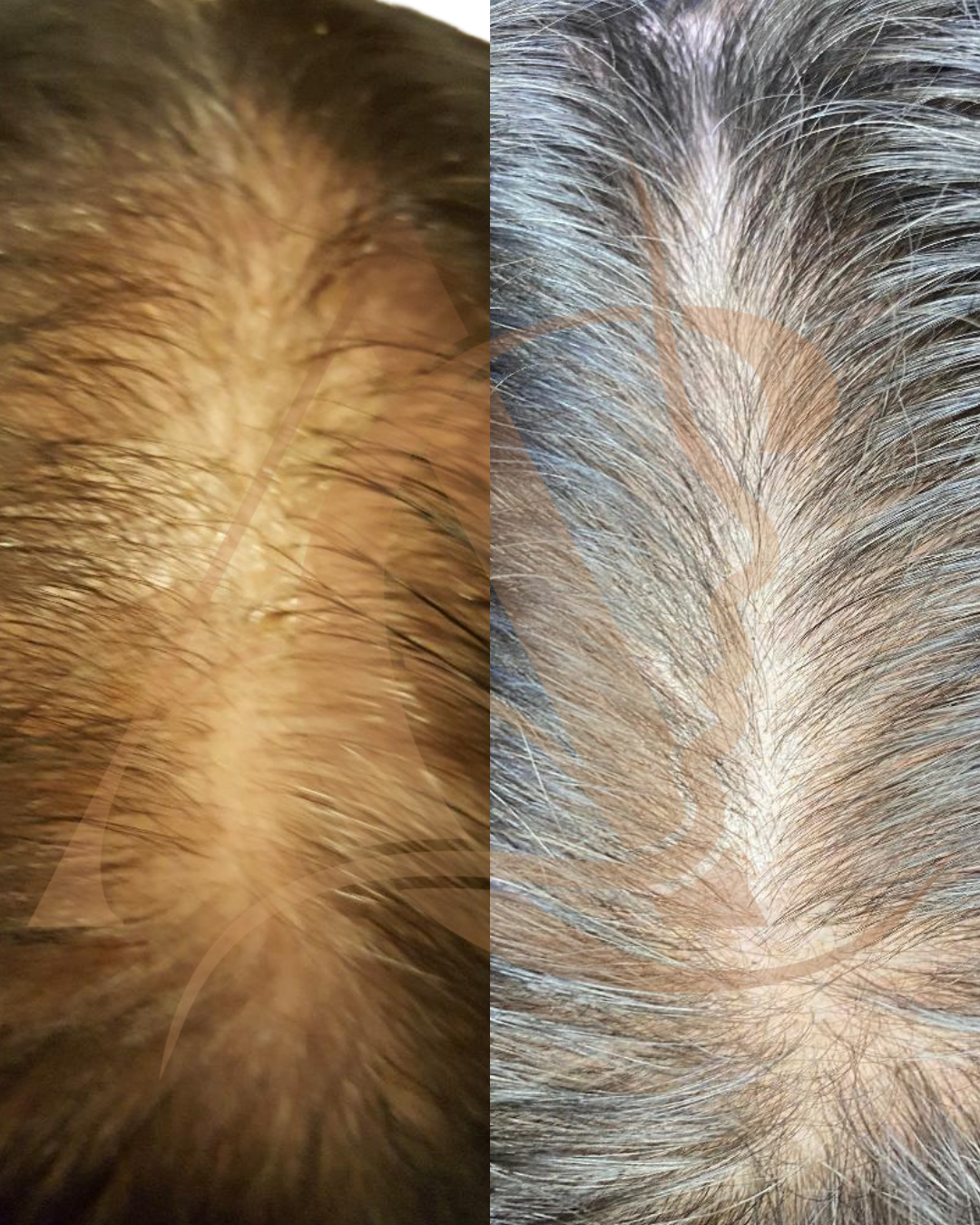
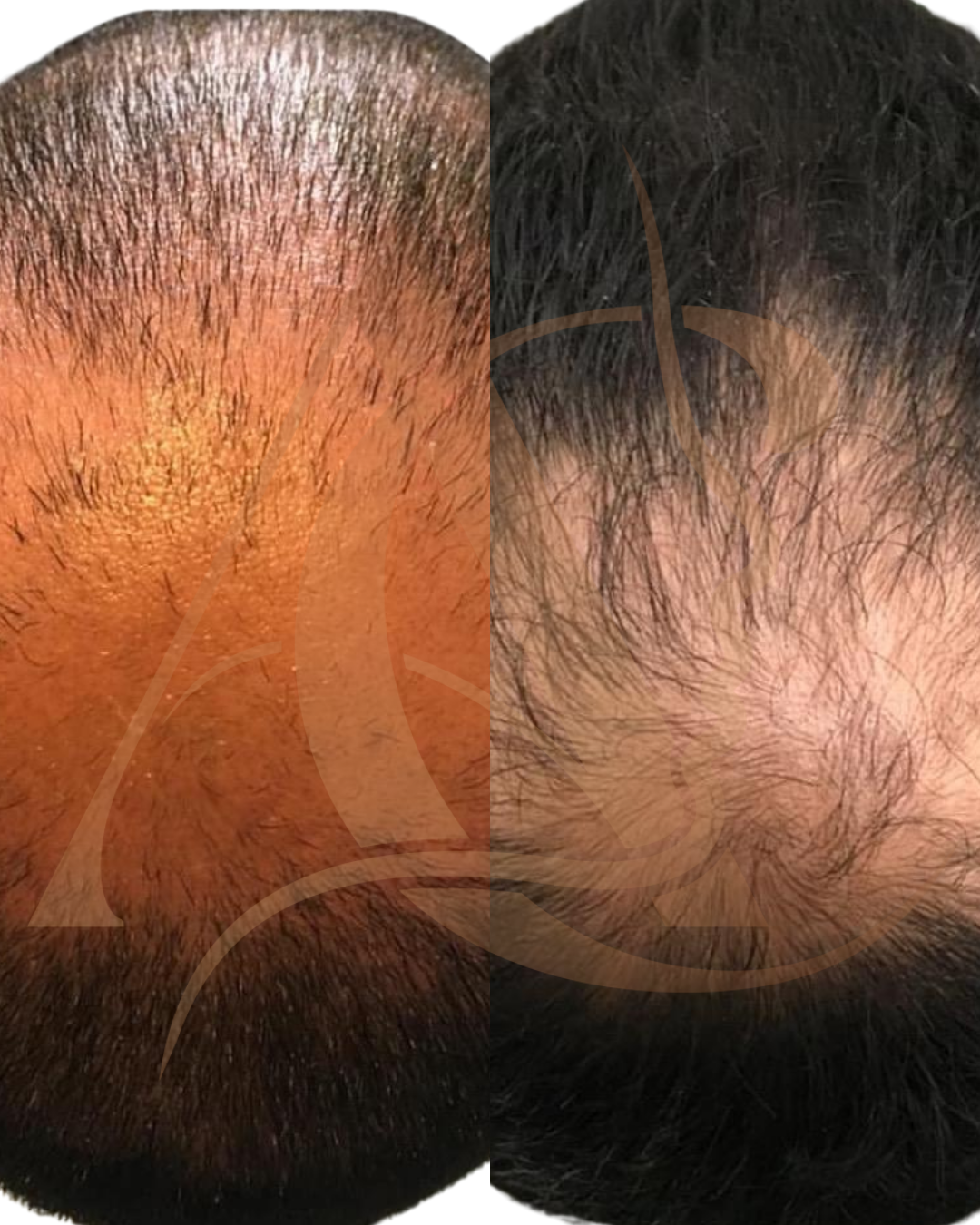
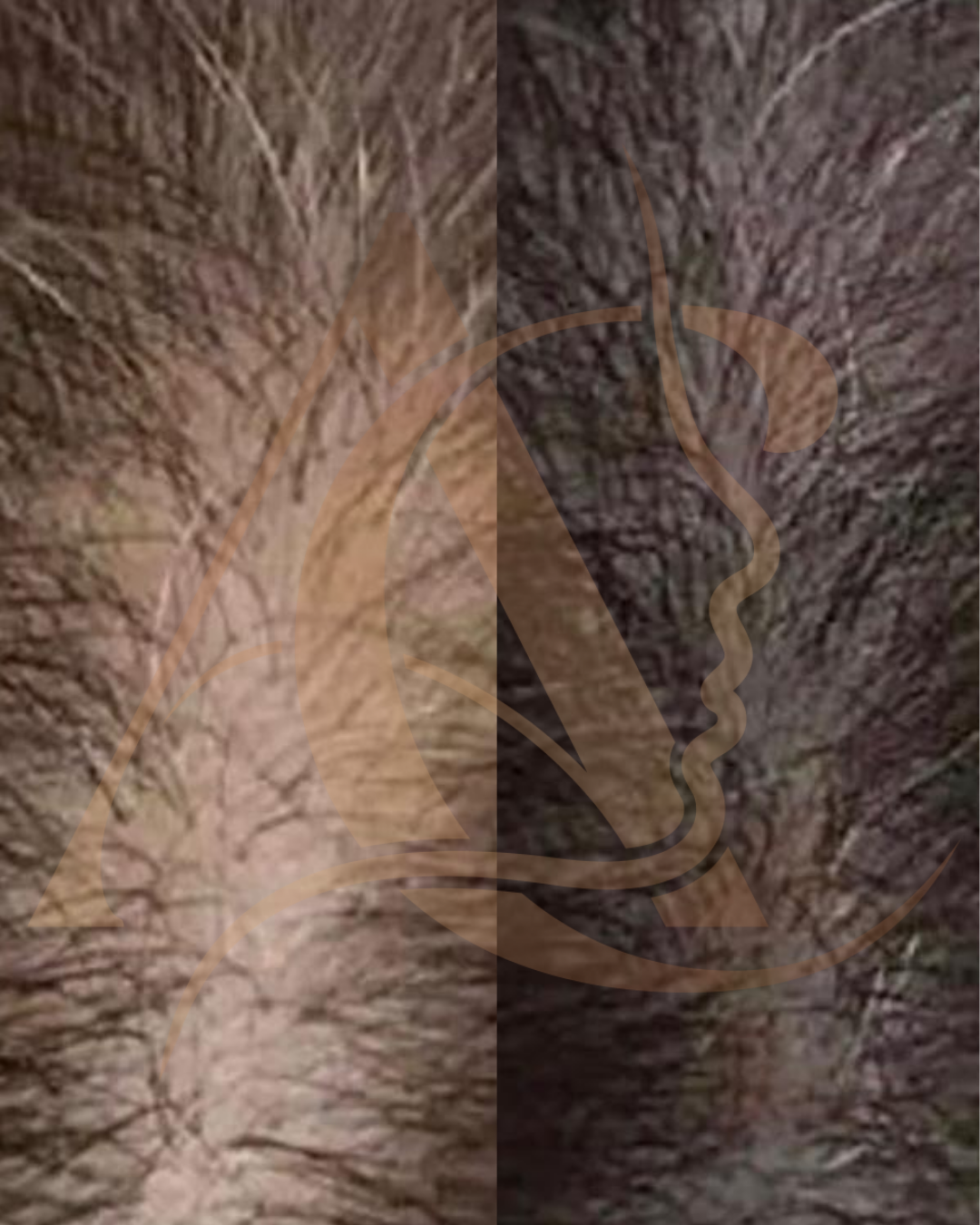
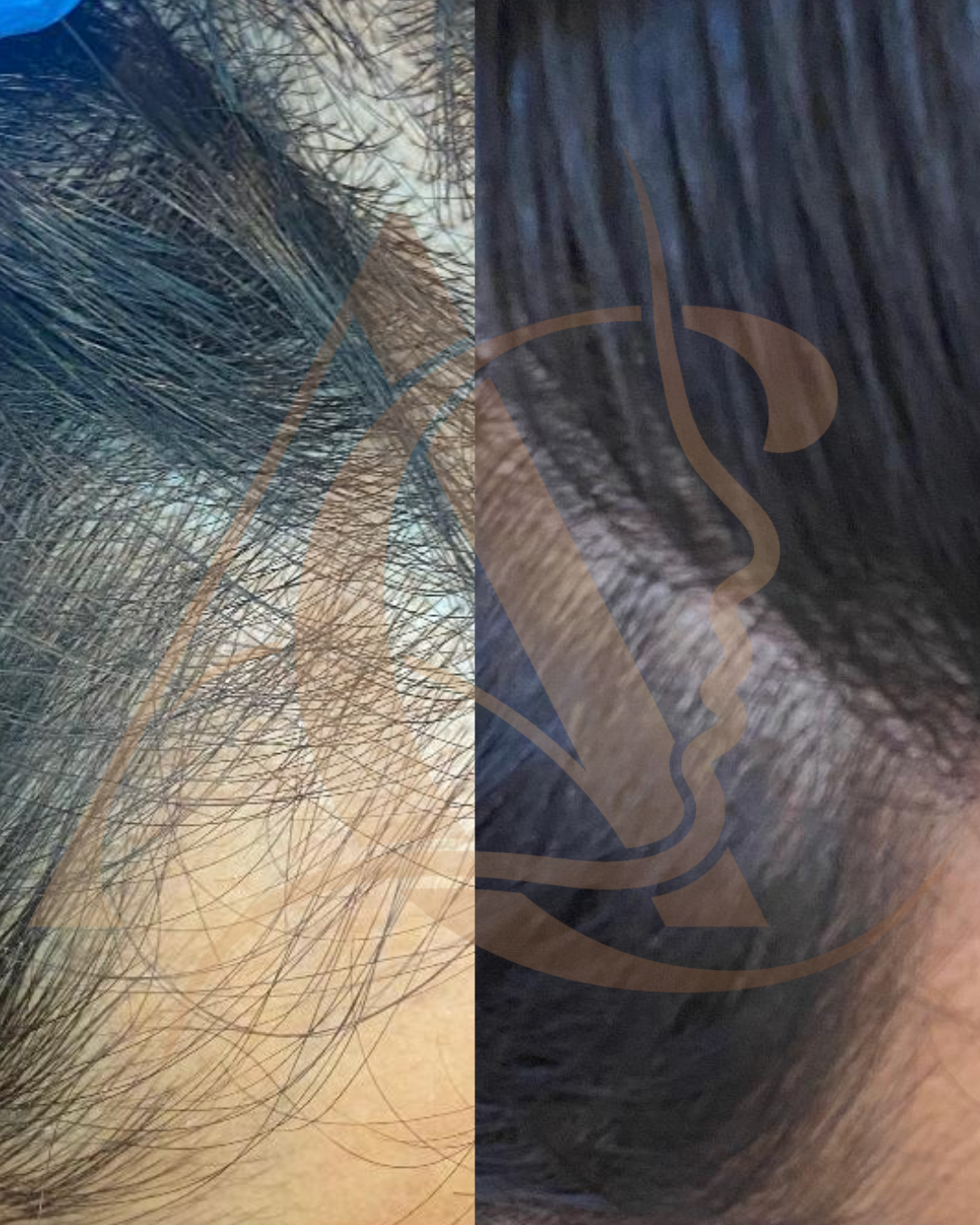
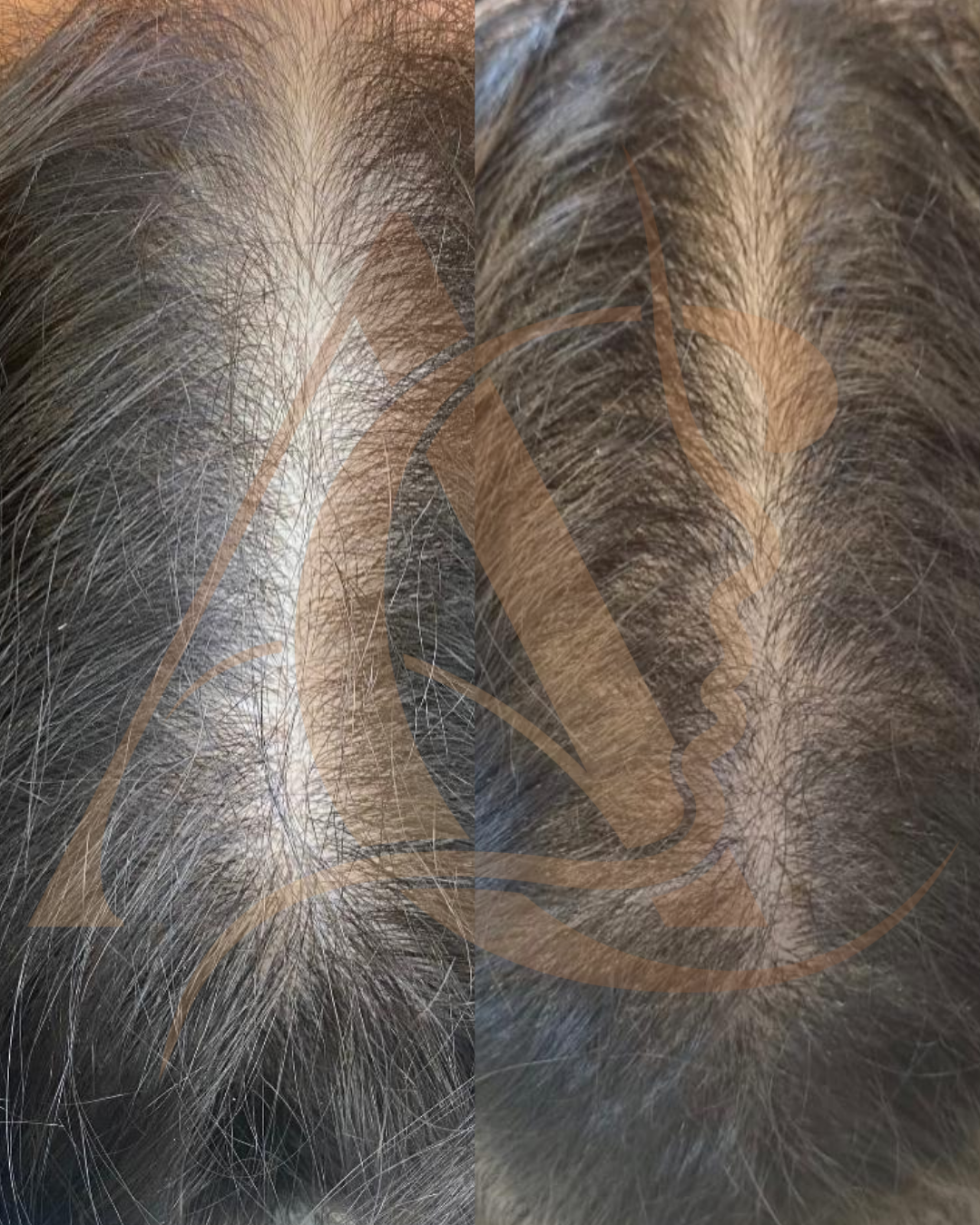
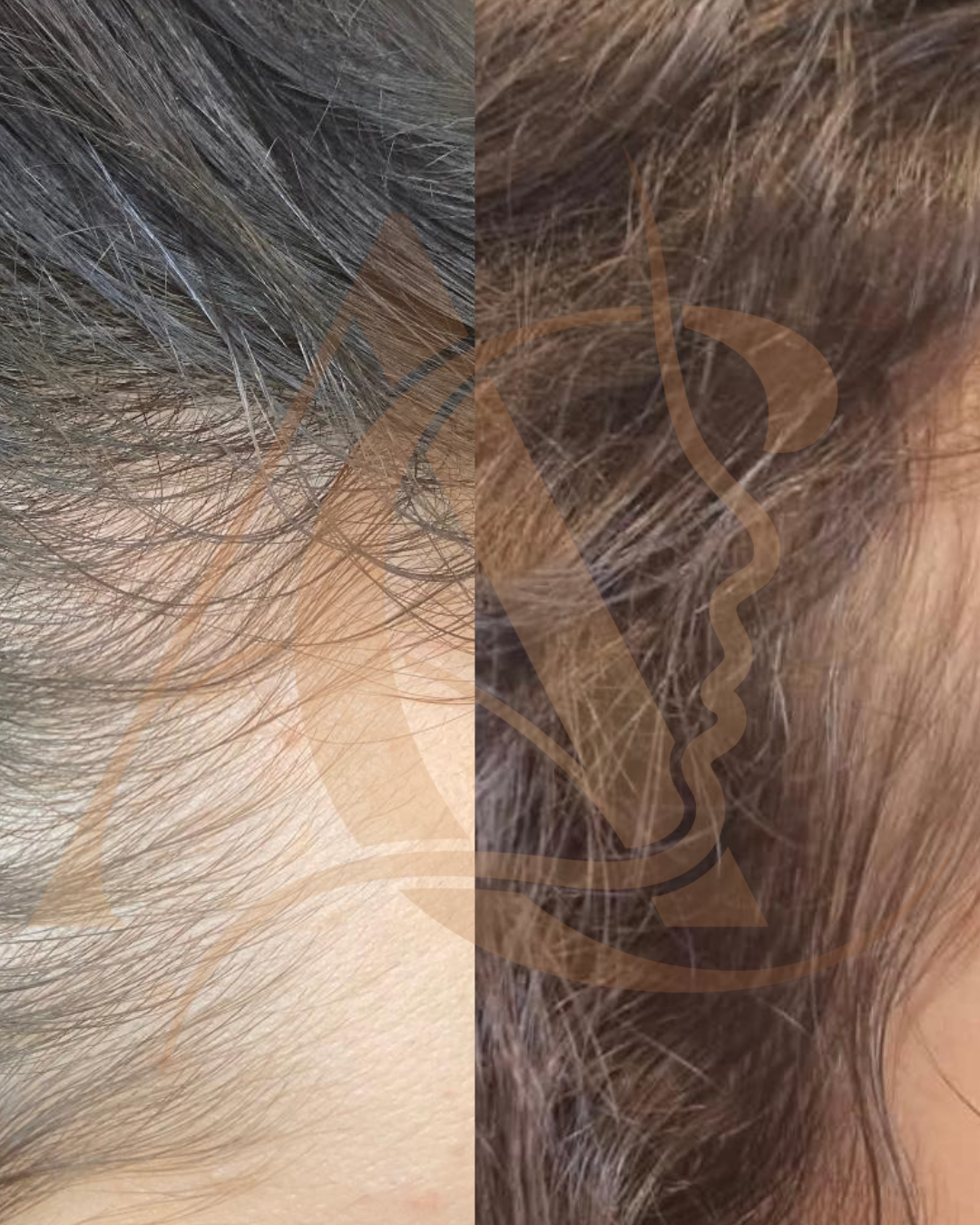
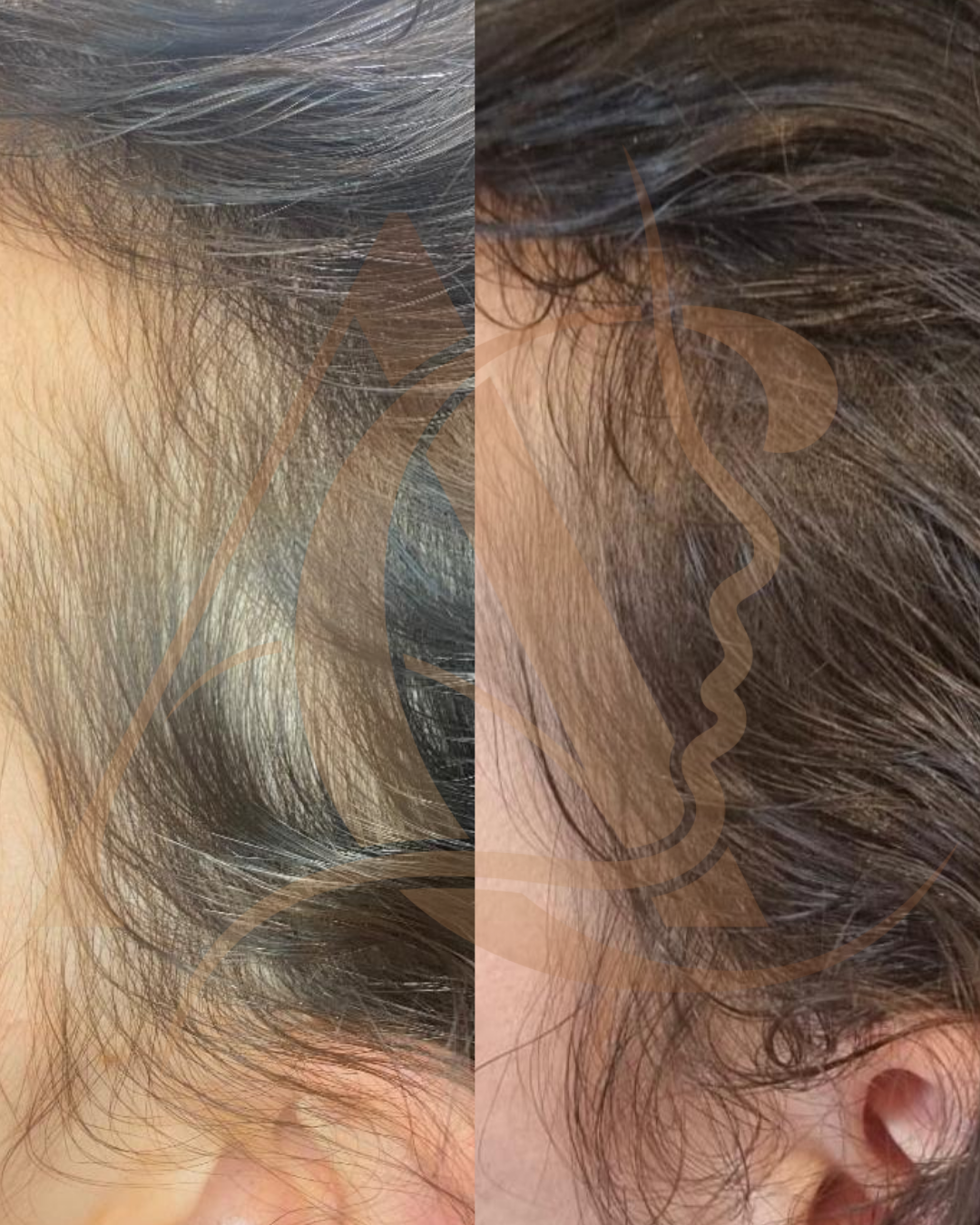
PRP is also widely used to treat certain types of hair thinning, including male and female pattern hair loss.
The treatment works by stimulating weakened hair follicles, improving blood supply to the scalp, and encouraging healthier hair growth. While PRP cannot create new hair follicles, it may improve hair thickness and density in suitable candidates.
Recovery and Aftercare
One of the biggest advantages of PRP treatment is the short recovery period.
After treatment, you may experience:
- Mild redness
- Swelling
- Tenderness
- Minor bruising
These side effects usually resolve within a few days.
To support healing, your clinician may advise you to:
- Avoid strenuous exercise for 24 hours
- Stay out of direct sunlight
- Avoid harsh skincare products for 24–48 hours
- Keep the treated area clean
- Follow all aftercare instructions provided by your clinic
Most patients return to normal daily activities within one or two days.
When Will You See Results?
PRP does not produce instant results because it works by stimulating natural tissue regeneration.
Typical timelines include:
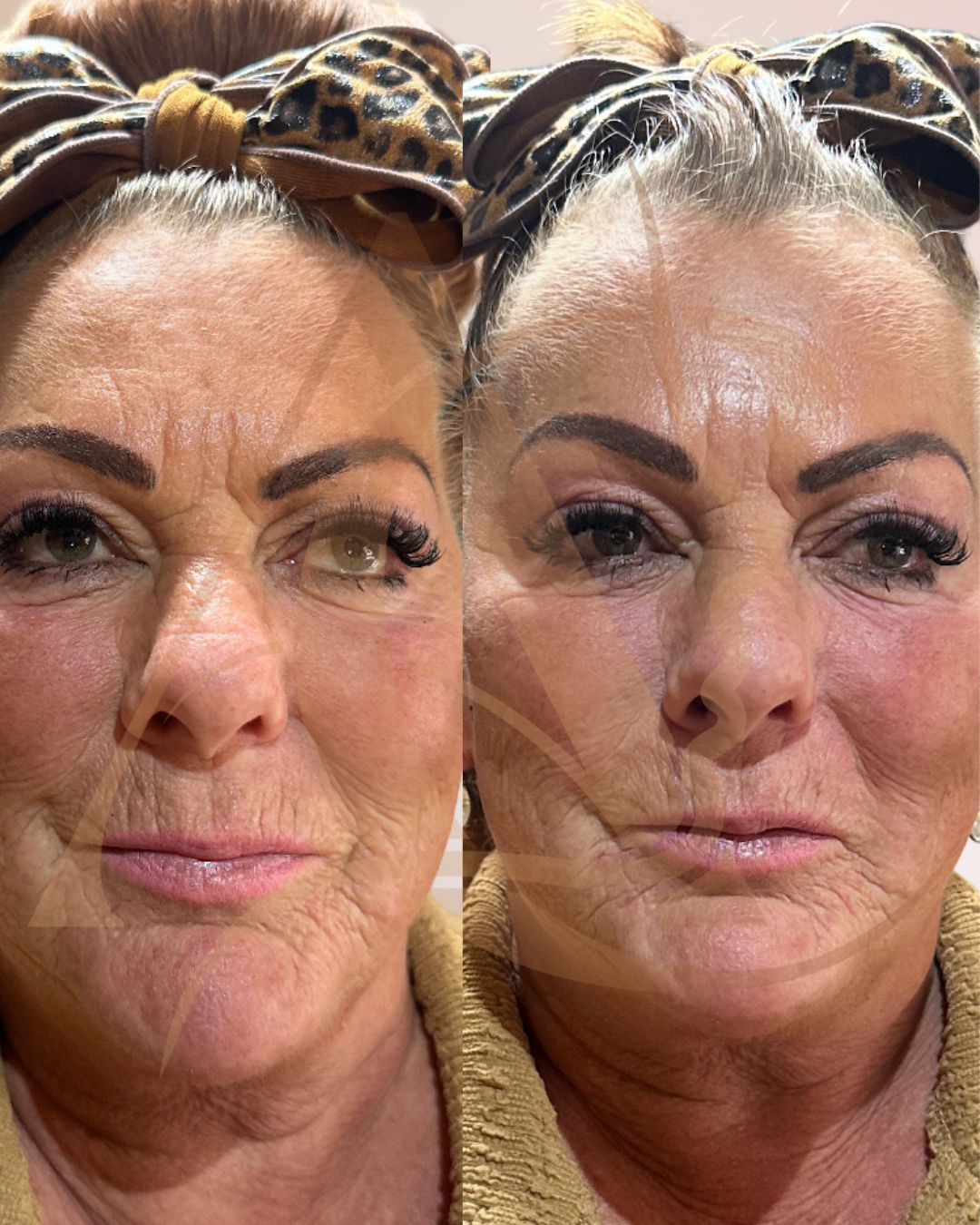
- Skin rejuvenation: Initial improvements may appear within 2–4 weeks, with continued collagen production over several months.
- Hair restoration: Reduced hair shedding may be noticed after 6–8 weeks, while visible improvements in hair thickness often develop over 3–6 months.
Most patients require three to four sessions for optimal results, followed by maintenance treatments if recommended by their practitioner.
Are There Any Risks?
PRP is generally considered safe when performed by a qualified healthcare professional using sterile techniques.
Possible temporary side effects include:
- Redness
- Swelling
- Bruising
- Mild discomfort
- Tenderness at the injection site
Serious complications are uncommon, but choosing an experienced clinician is essential to minimise risks and achieve the best possible outcome.
Who Is a Good Candidate for PRP?
PRP treatment may be suitable if you:
- Want natural-looking skin rejuvenation
- Have mild to moderate signs of ageing
- Are experiencing early hair thinning
- Prefer a minimally invasive treatment
- Are in good general health
PRP may not be suitable for individuals with certain blood disorders, active infections, or other medical conditions. A professional consultation is necessary to determine your suitability.
Why Choose Aesthetics Central for PRP Treatment?
At Aesthetics Central, every PRP treatment begins with a comprehensive consultation to understand your concerns and create a personalised treatment plan. Our experienced practitioners use clinically approved techniques and advanced equipment to ensure safe, effective, and natural-looking results.
Whether you’re looking to improve your skin’s appearance or support healthier hair growth, our team is committed to helping you achieve your aesthetic goals with expert care.
👉 Book your consultation today: https://aestheticscentral.co.uk
Frequently Asked Questions
Is PRP treatment painful?
Most patients experience only mild discomfort. A topical numbing cream is often used to make the procedure more comfortable.
How long does PRP treatment take?
A typical appointment lasts between 45 and 60 minutes, including blood collection, preparation, and treatment.
How many PRP sessions are needed?
Most people benefit from an initial course of three to four treatments, followed by maintenance sessions depending on individual needs.
Is there any downtime?
Downtime is minimal. Most patients return to work or normal activities within 24–48 hours.
Final Thoughts
PRP treatment offers a natural and minimally invasive approach to skin rejuvenation and hair restoration by harnessing your body’s own healing abilities. While results vary from person to person, PRP can be an effective option for improving skin quality, reducing signs of aging, and supporting healthier hair growth when performed by a qualified practitioner.
If you’re considering PRP treatment, schedule a consultation with Aesthetics Central to receive expert advice and a personalised treatment plan tailored to your needs