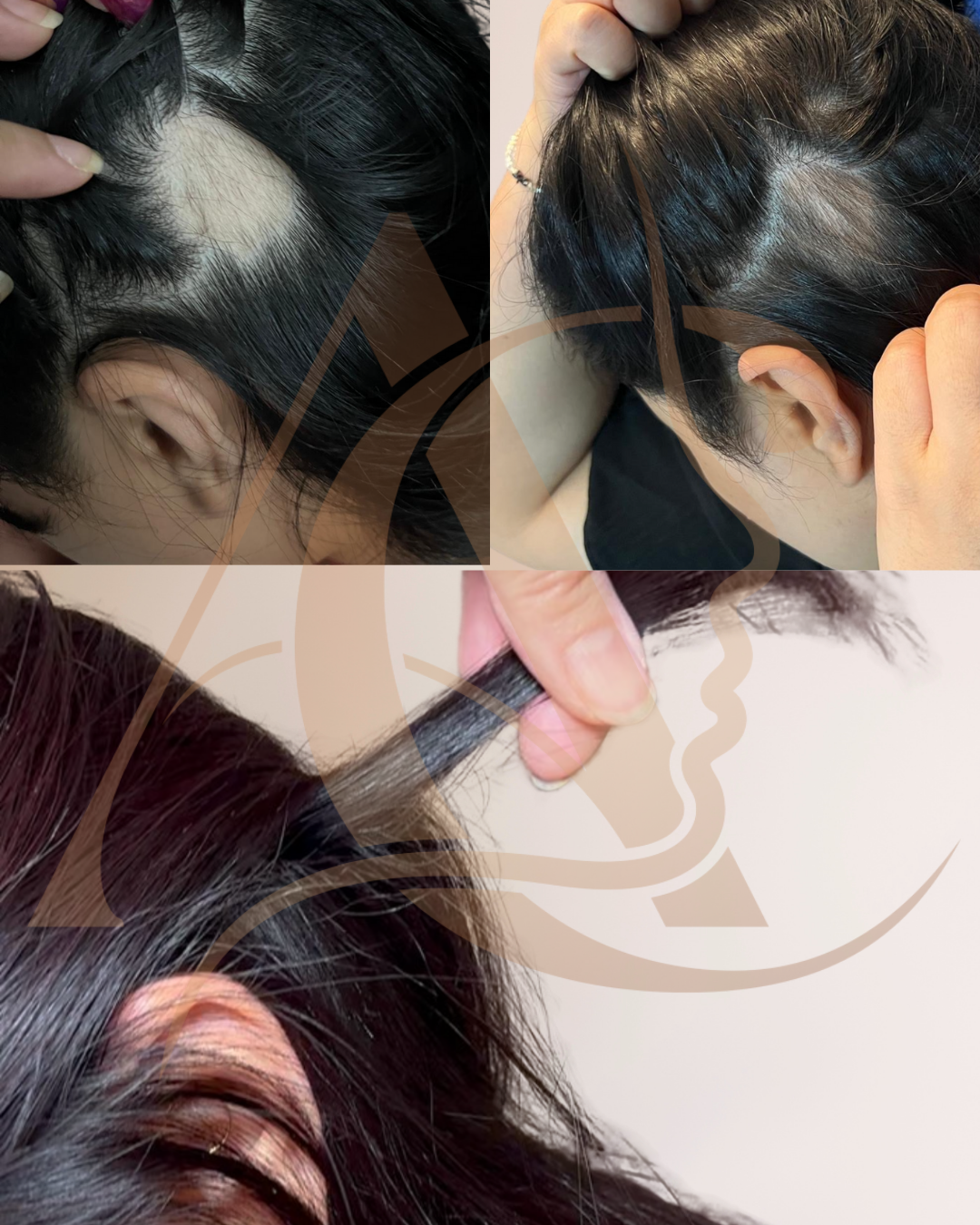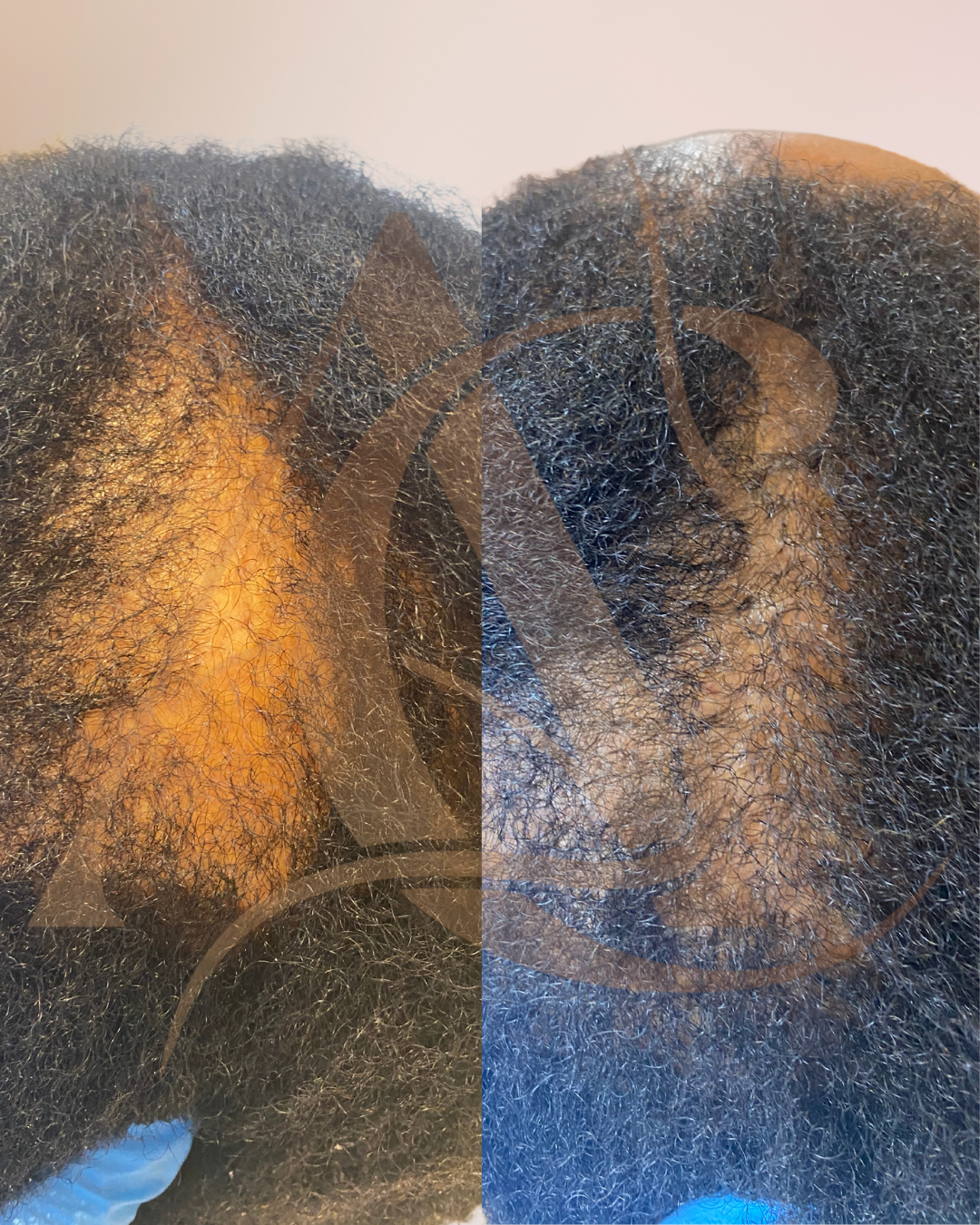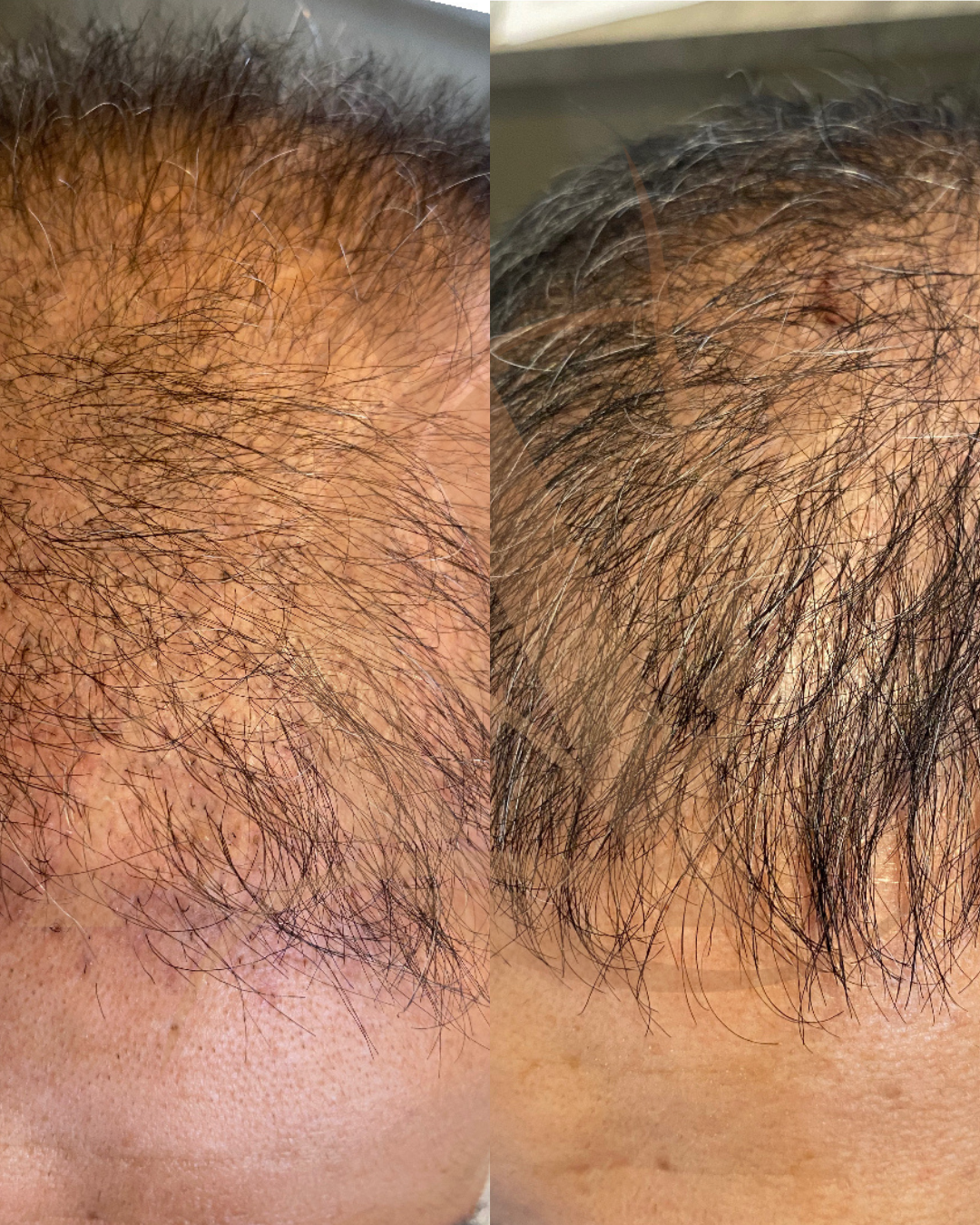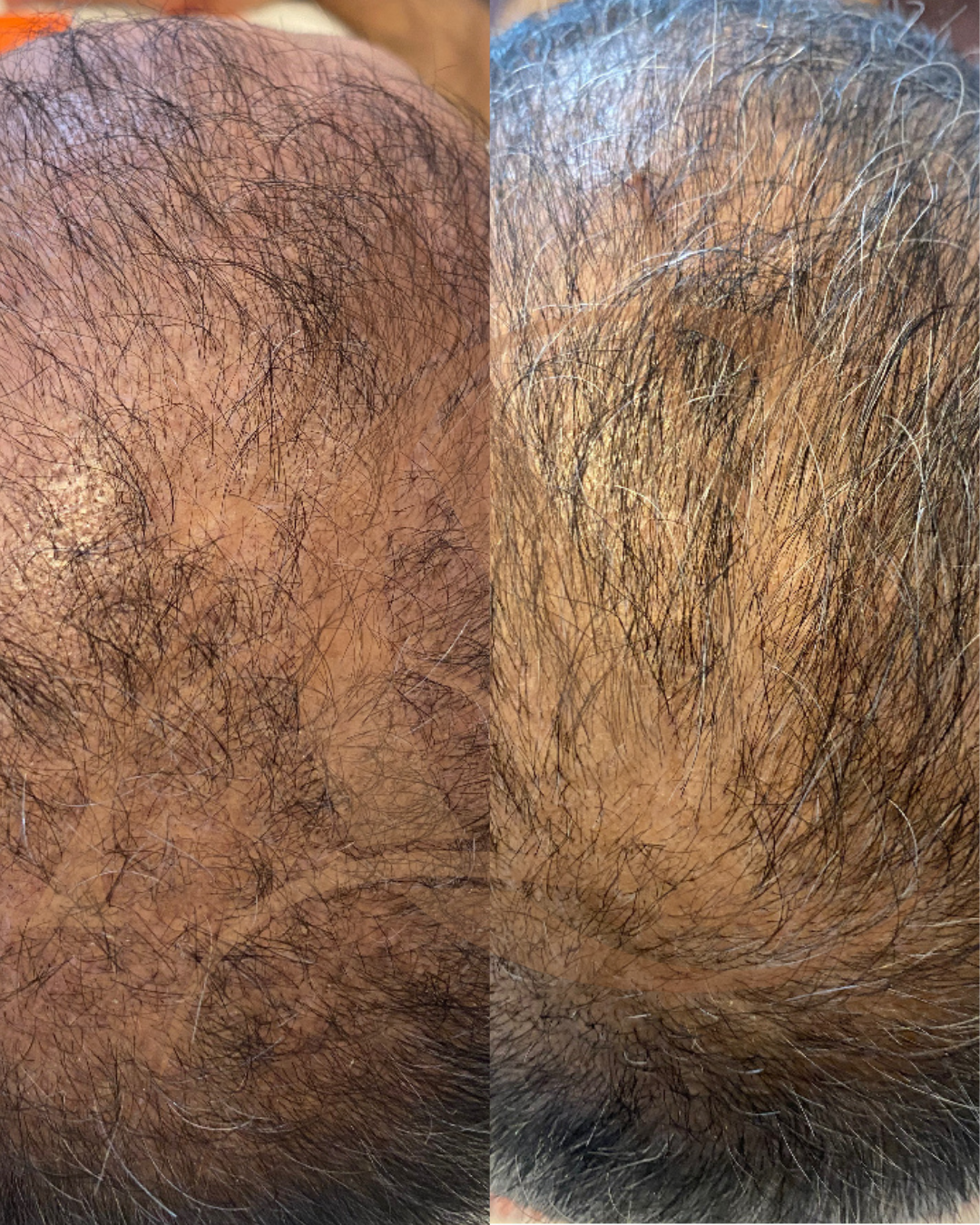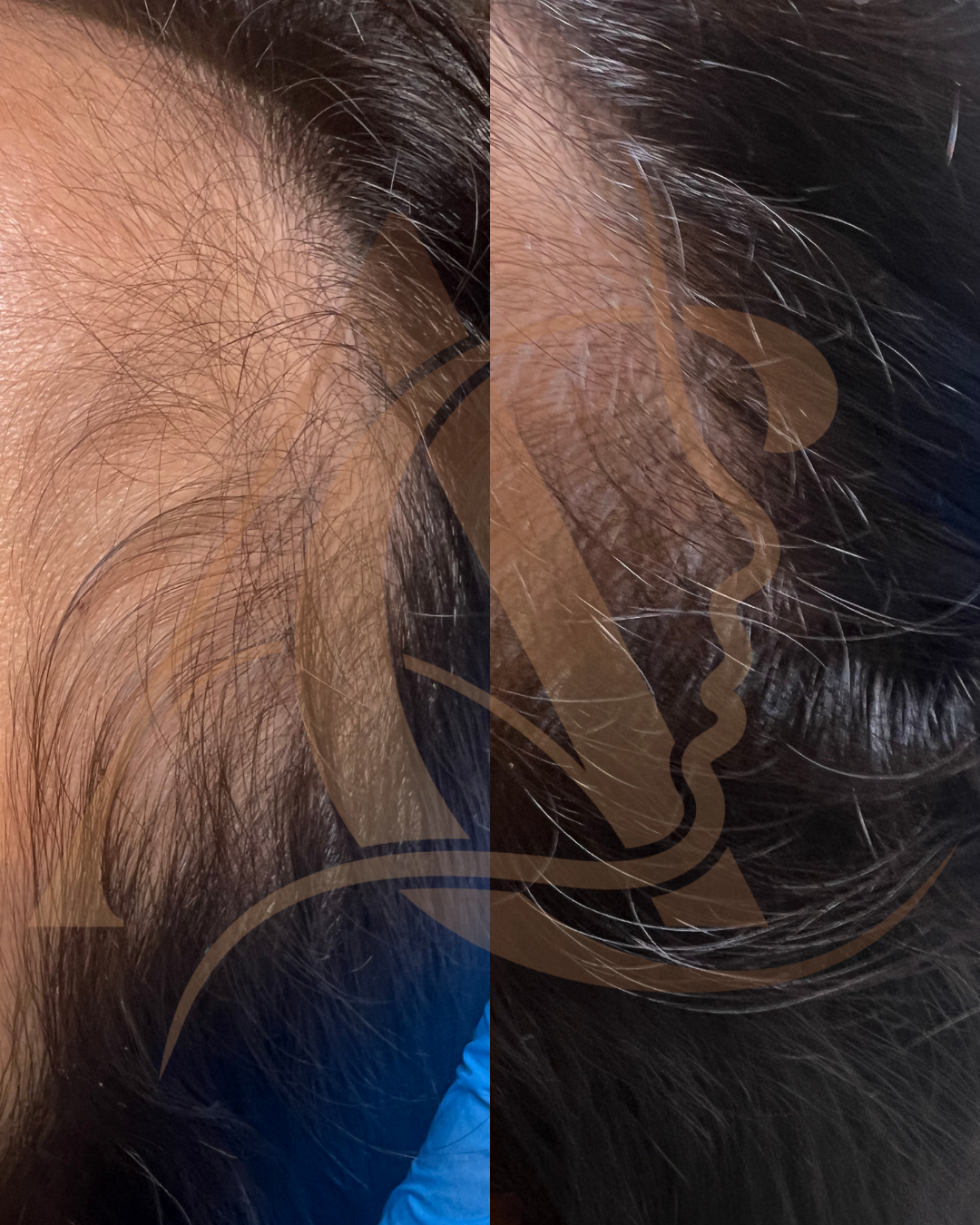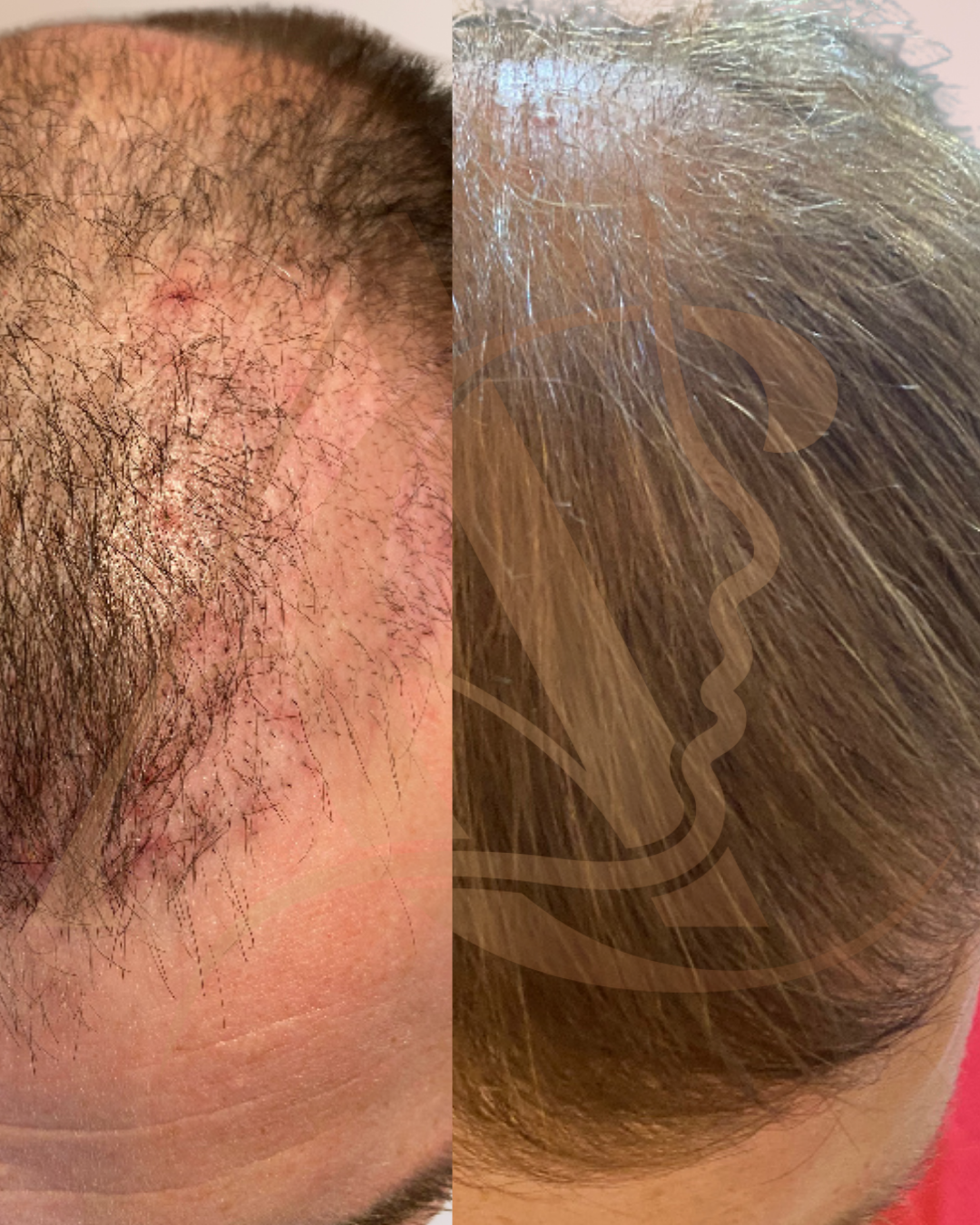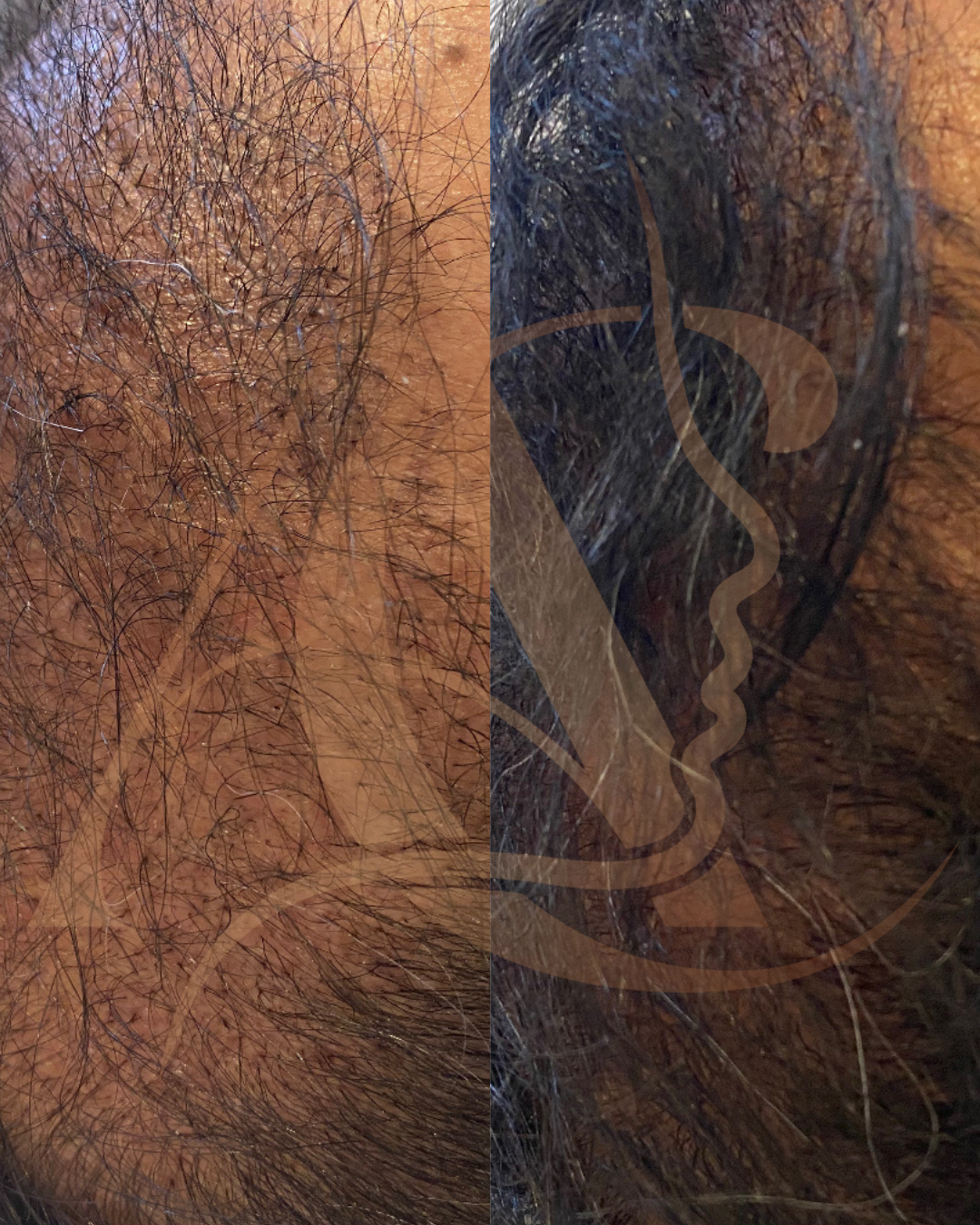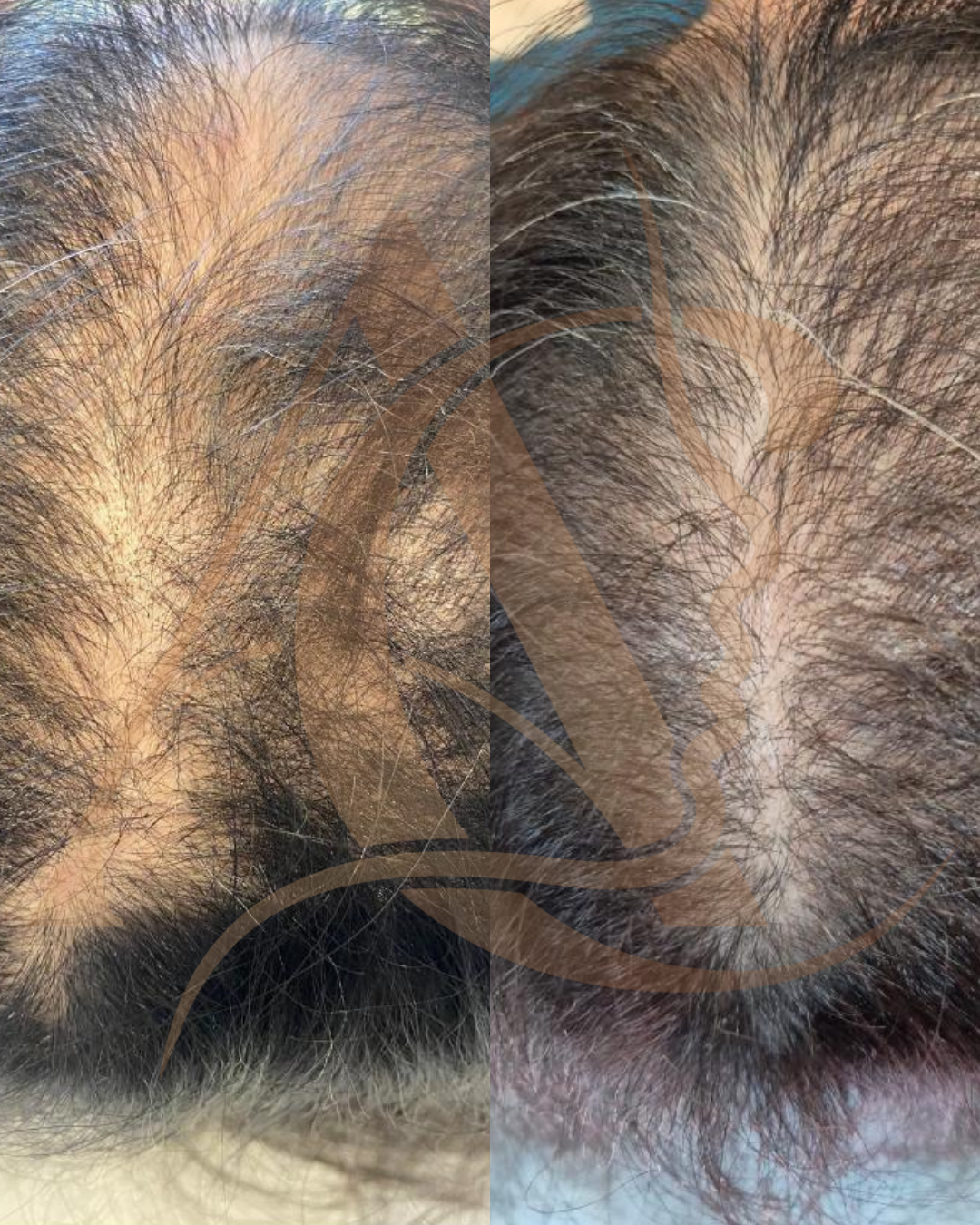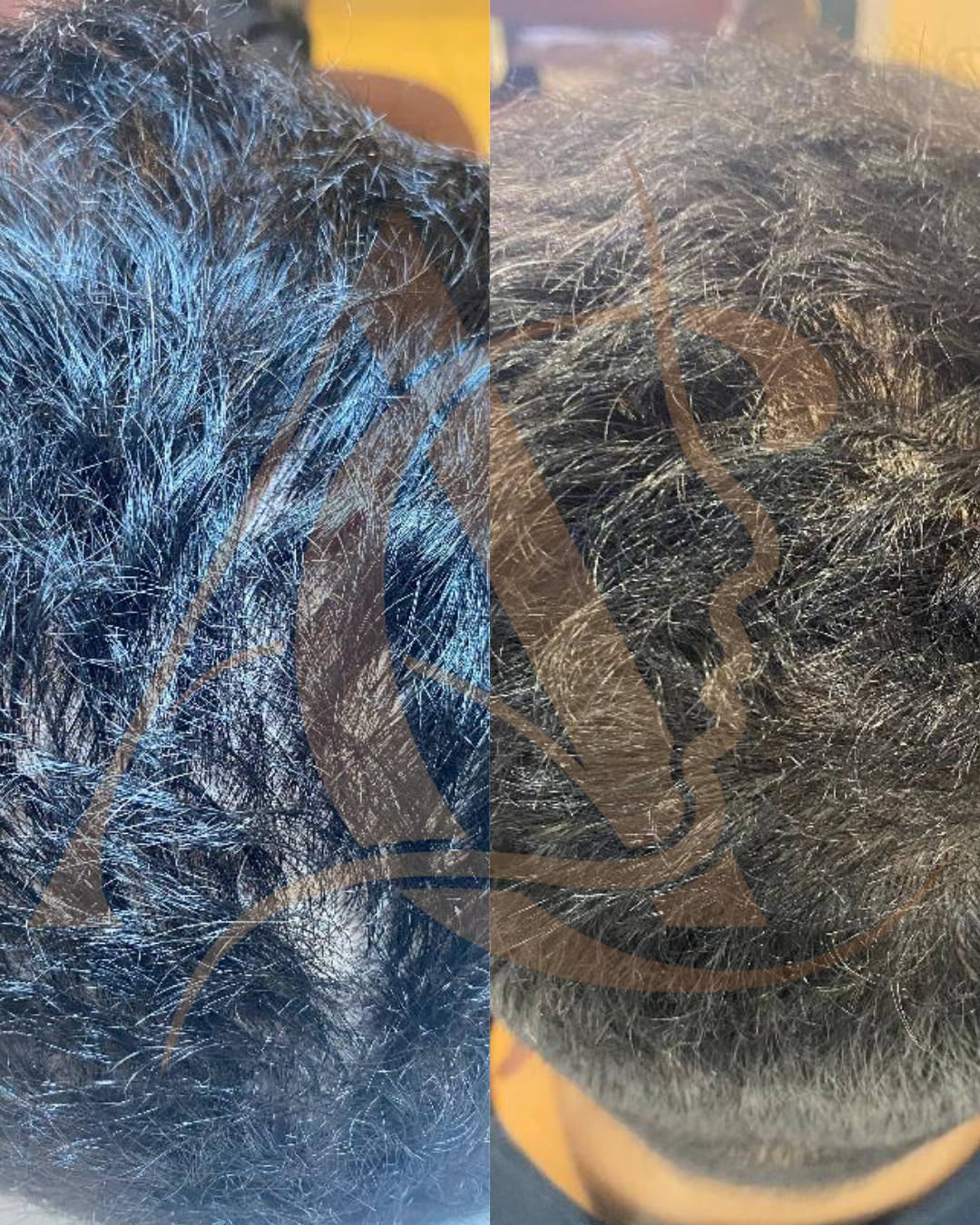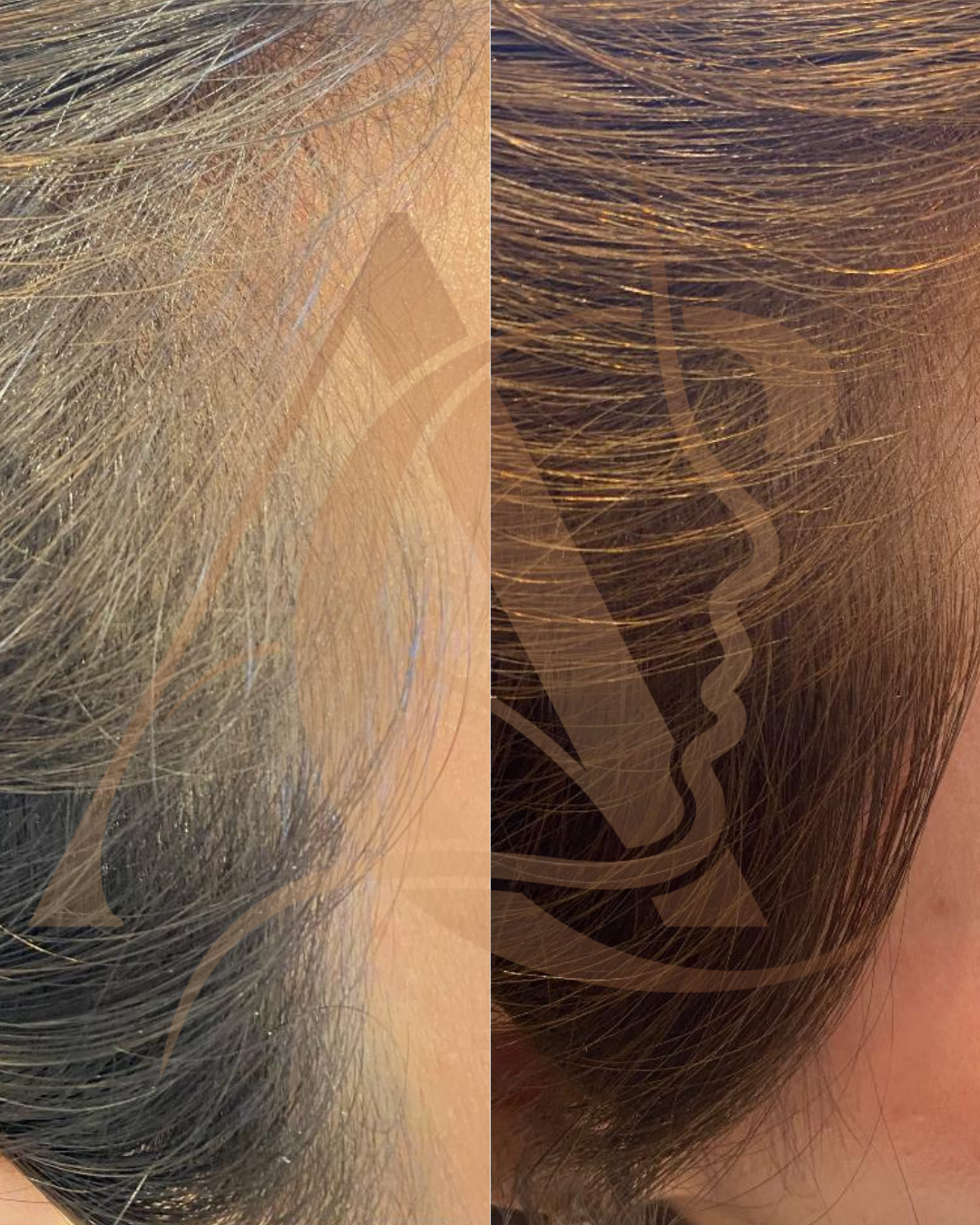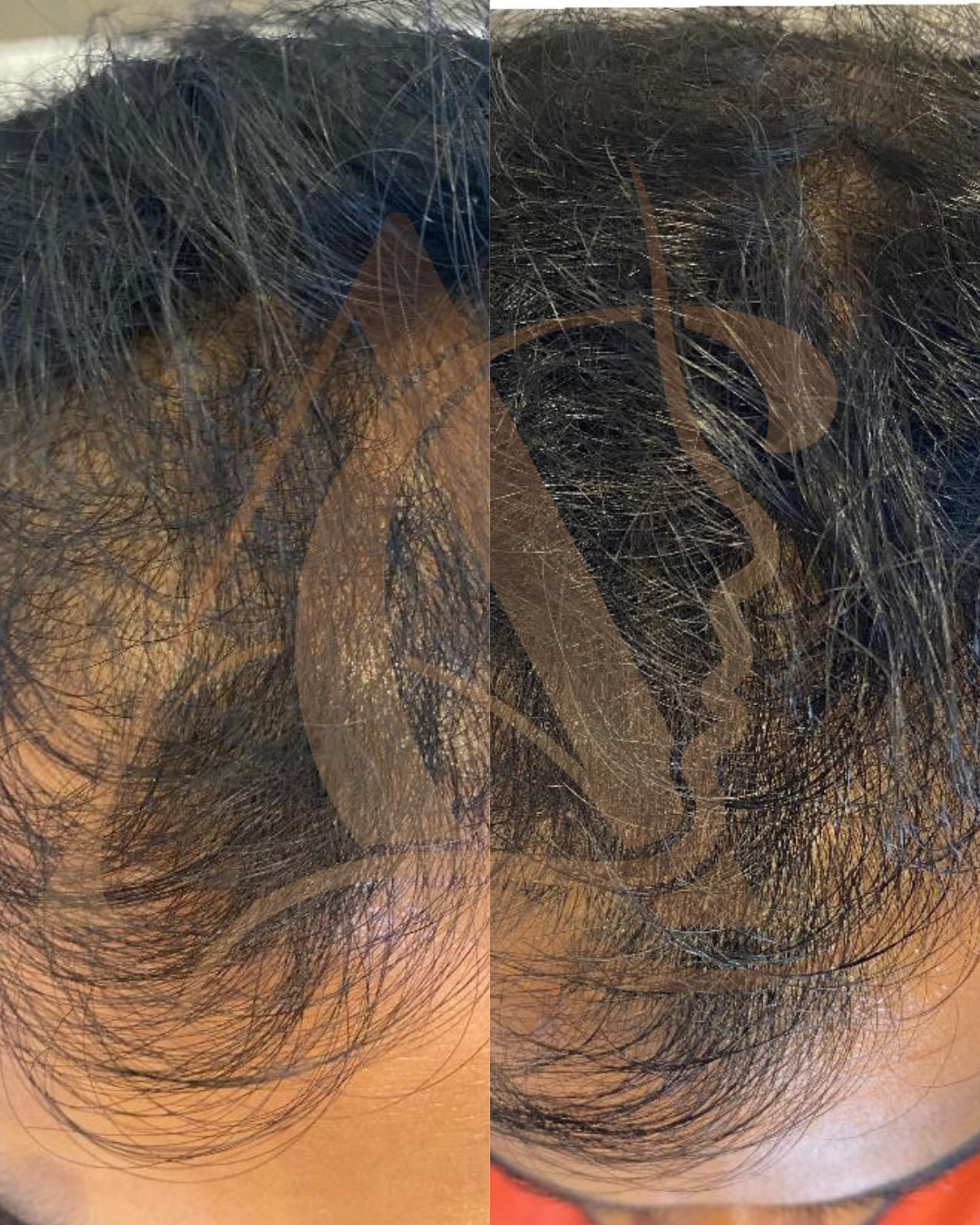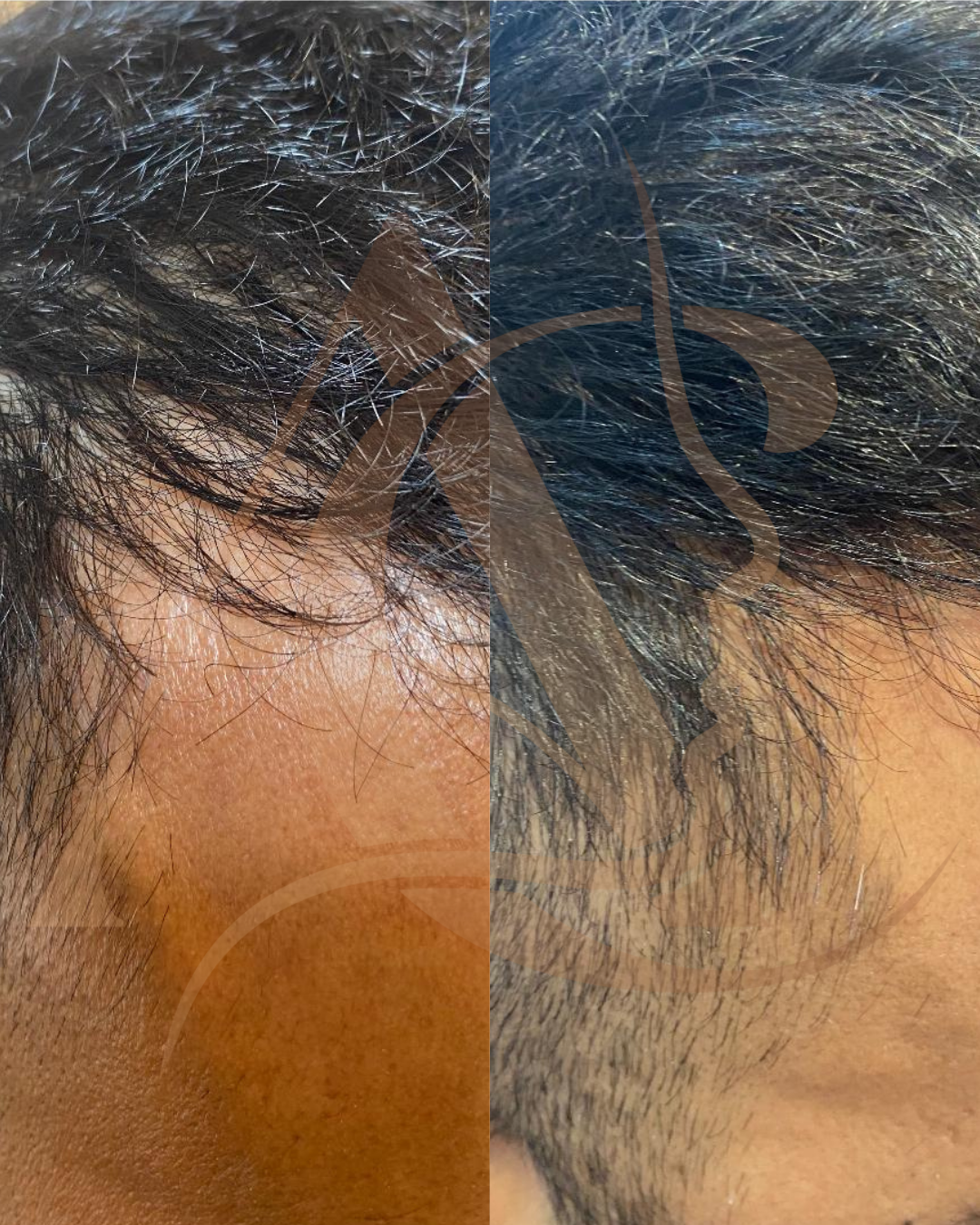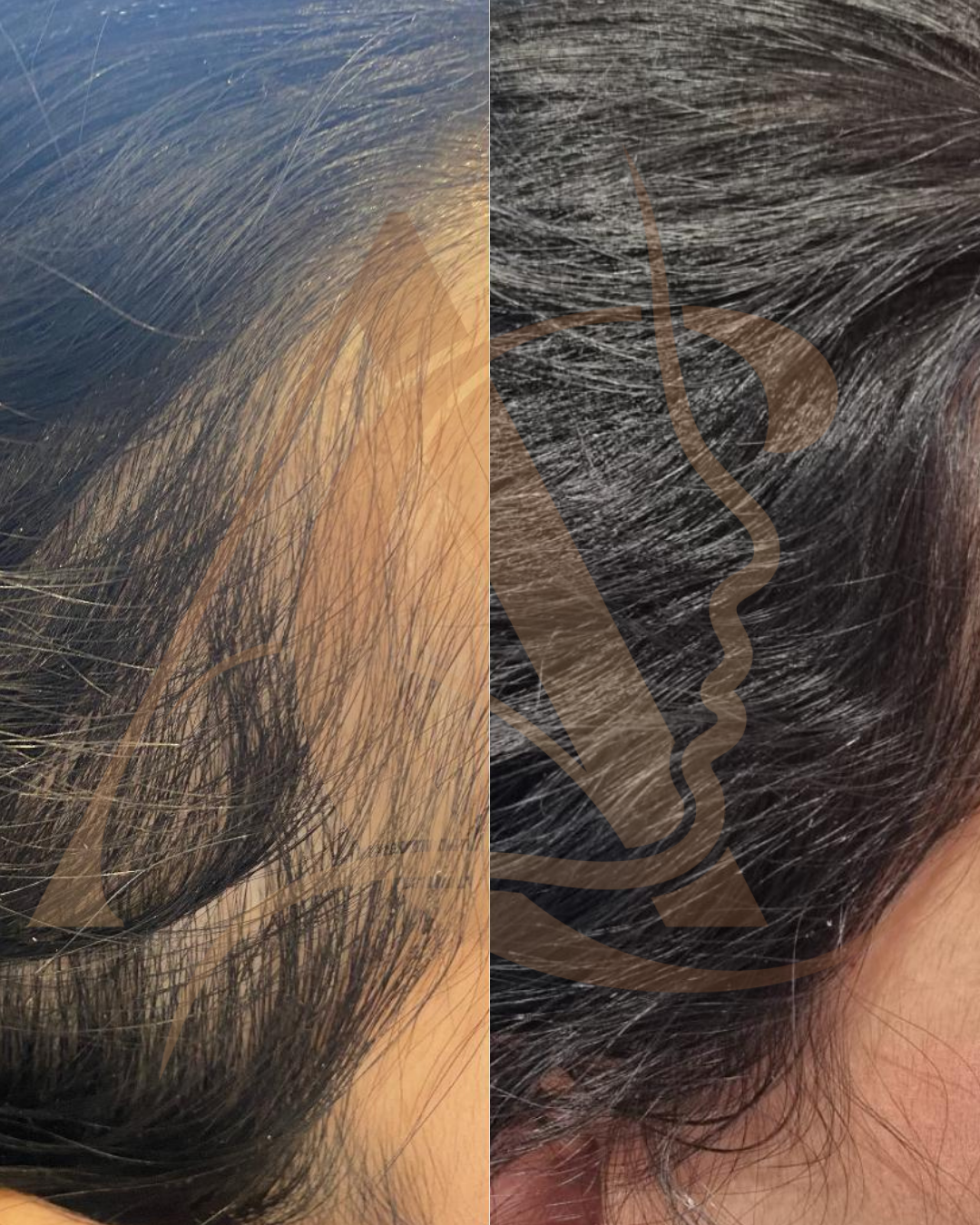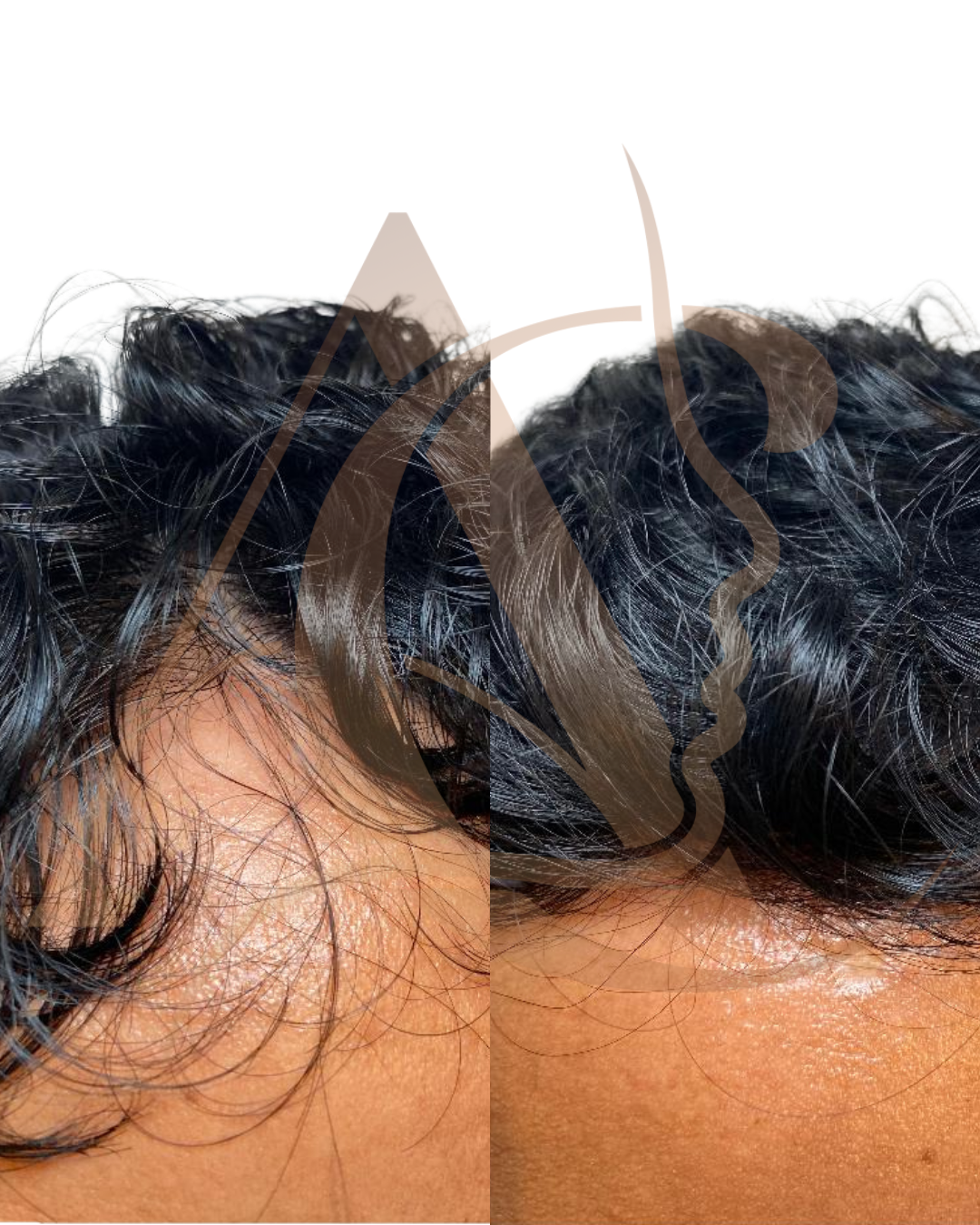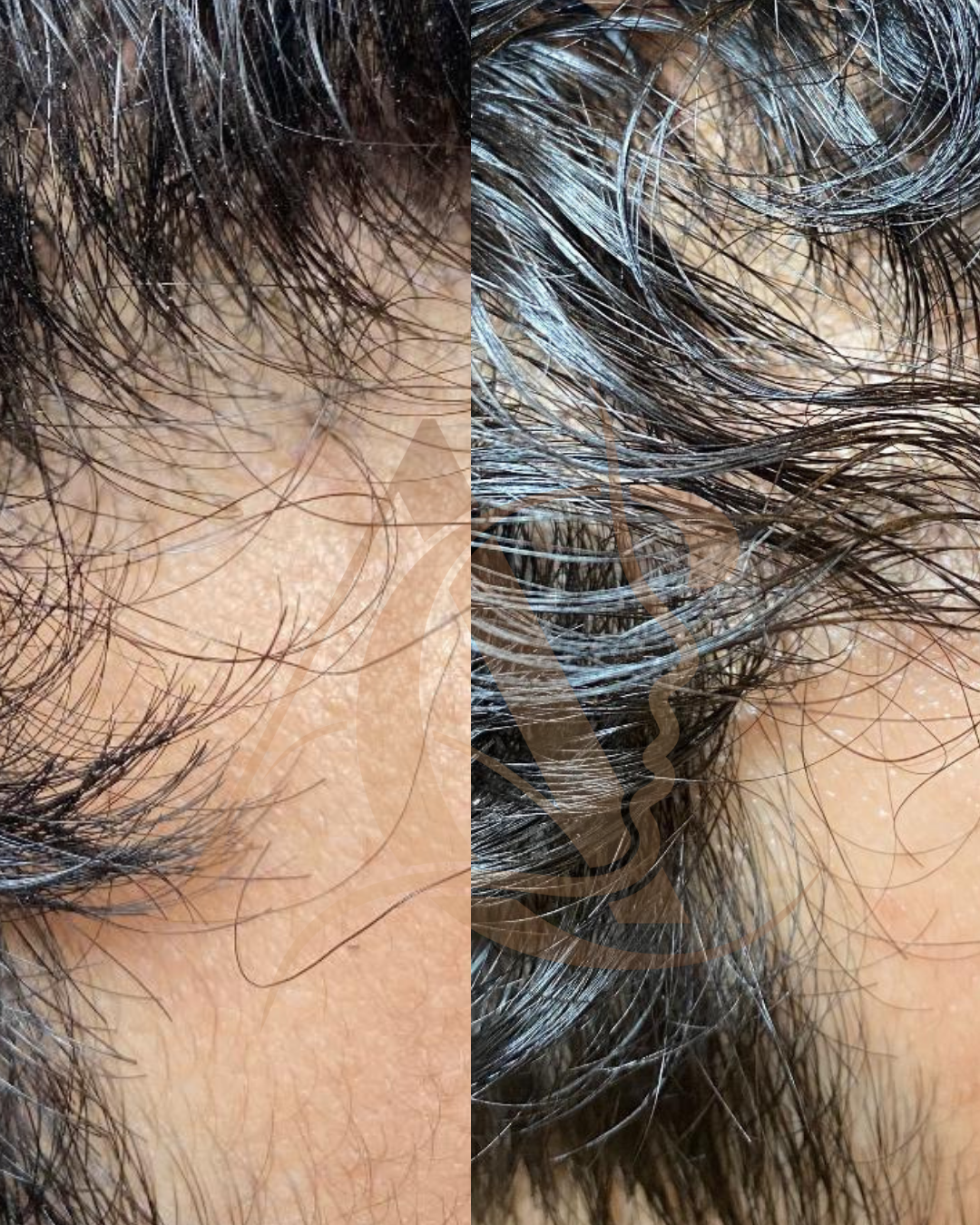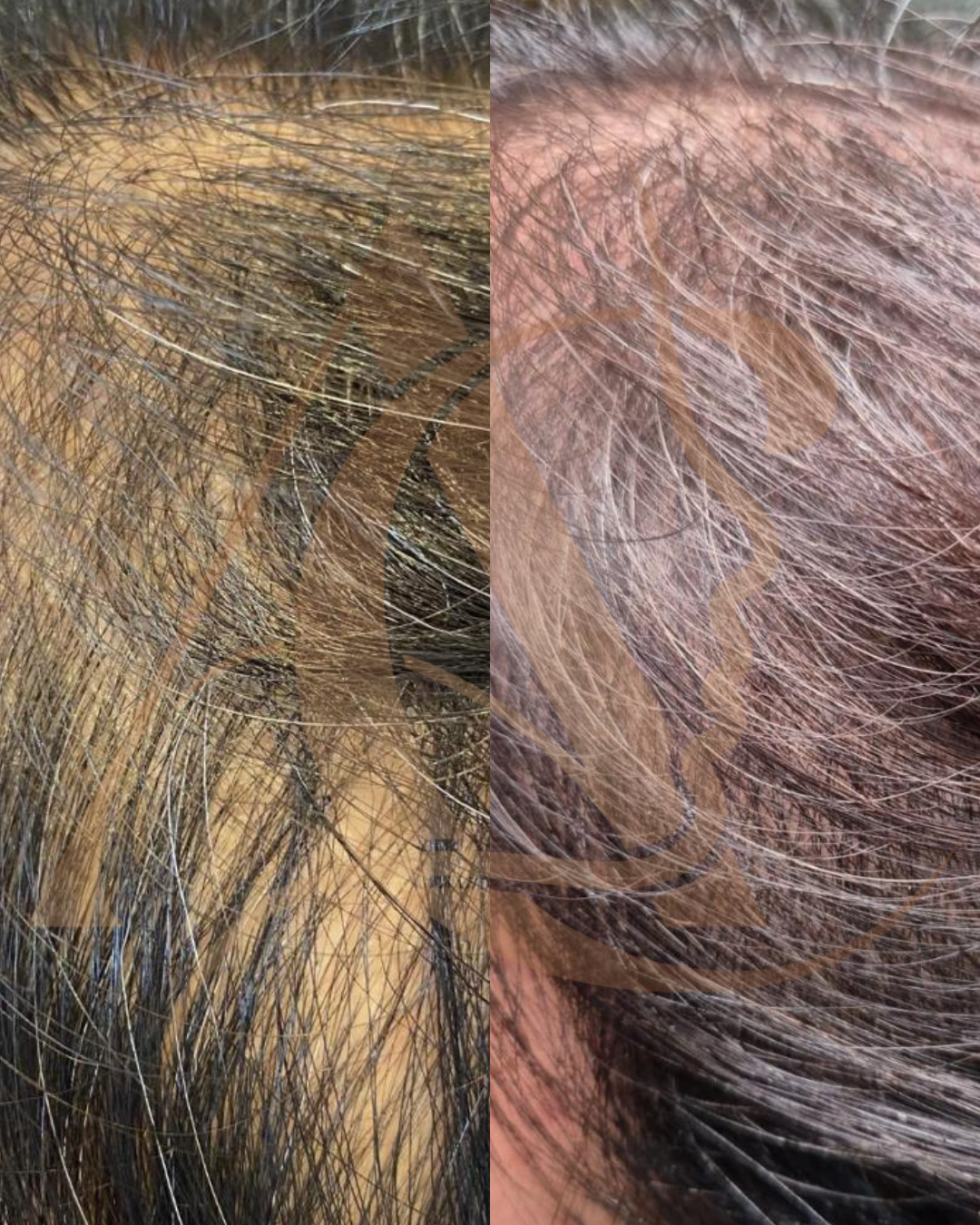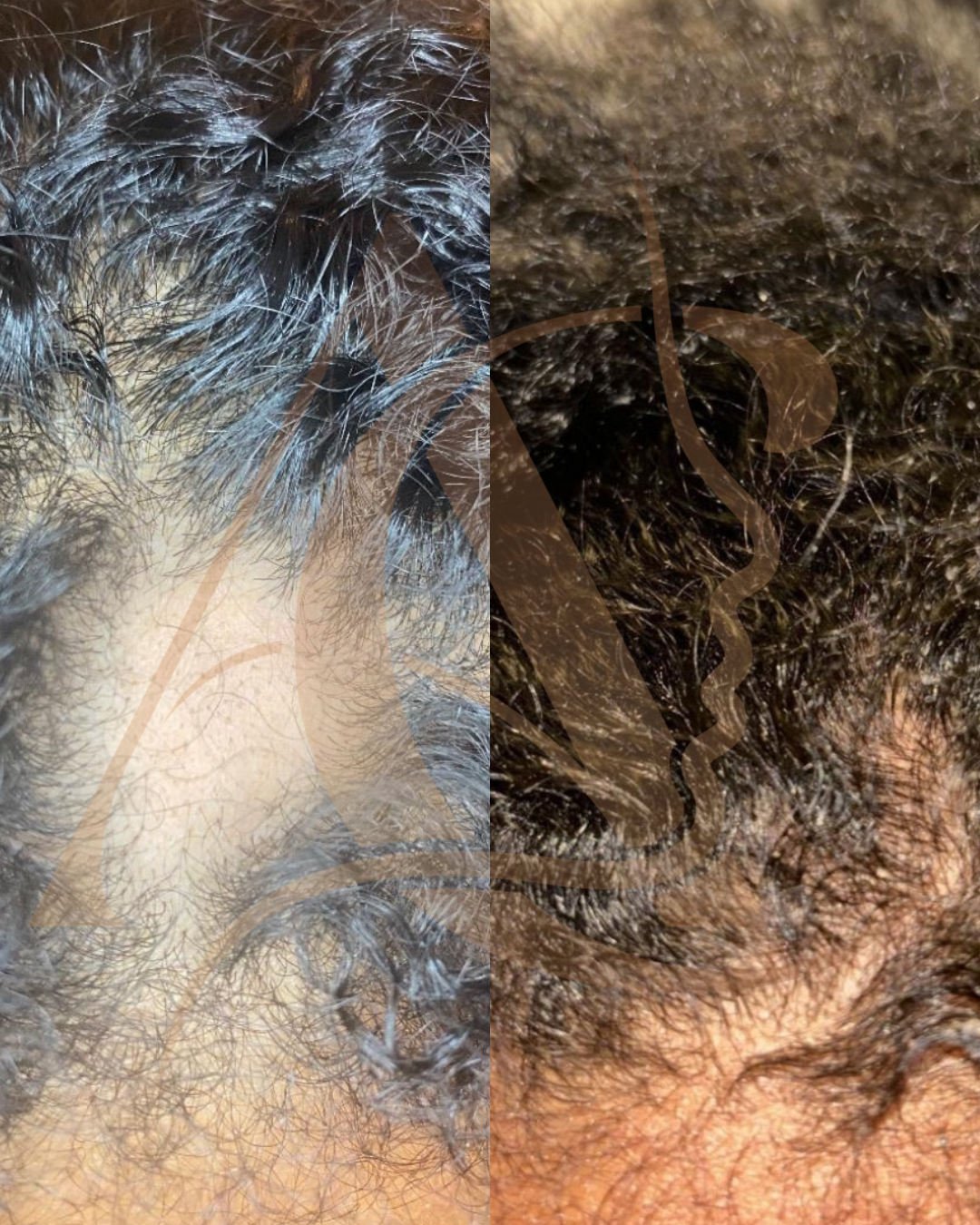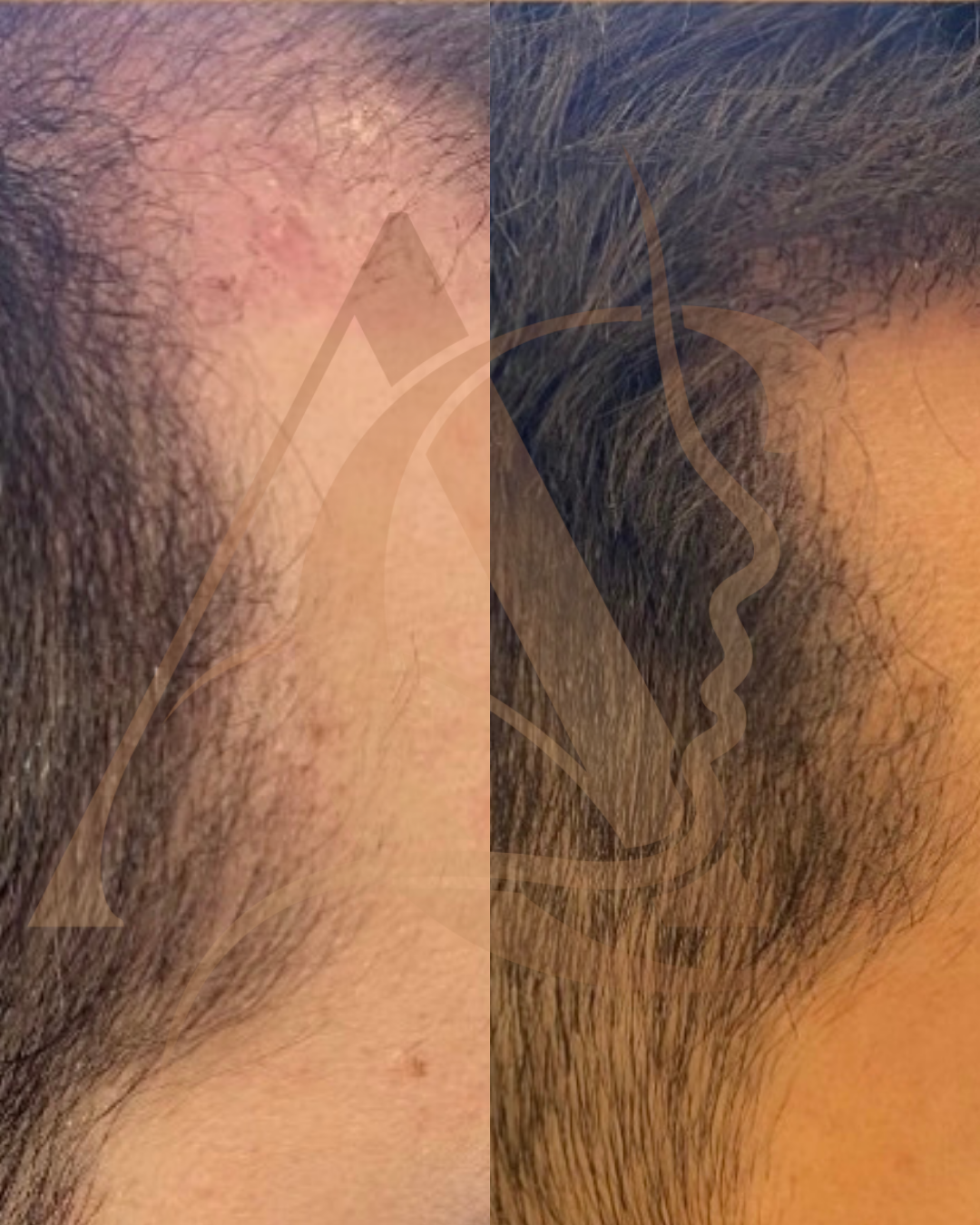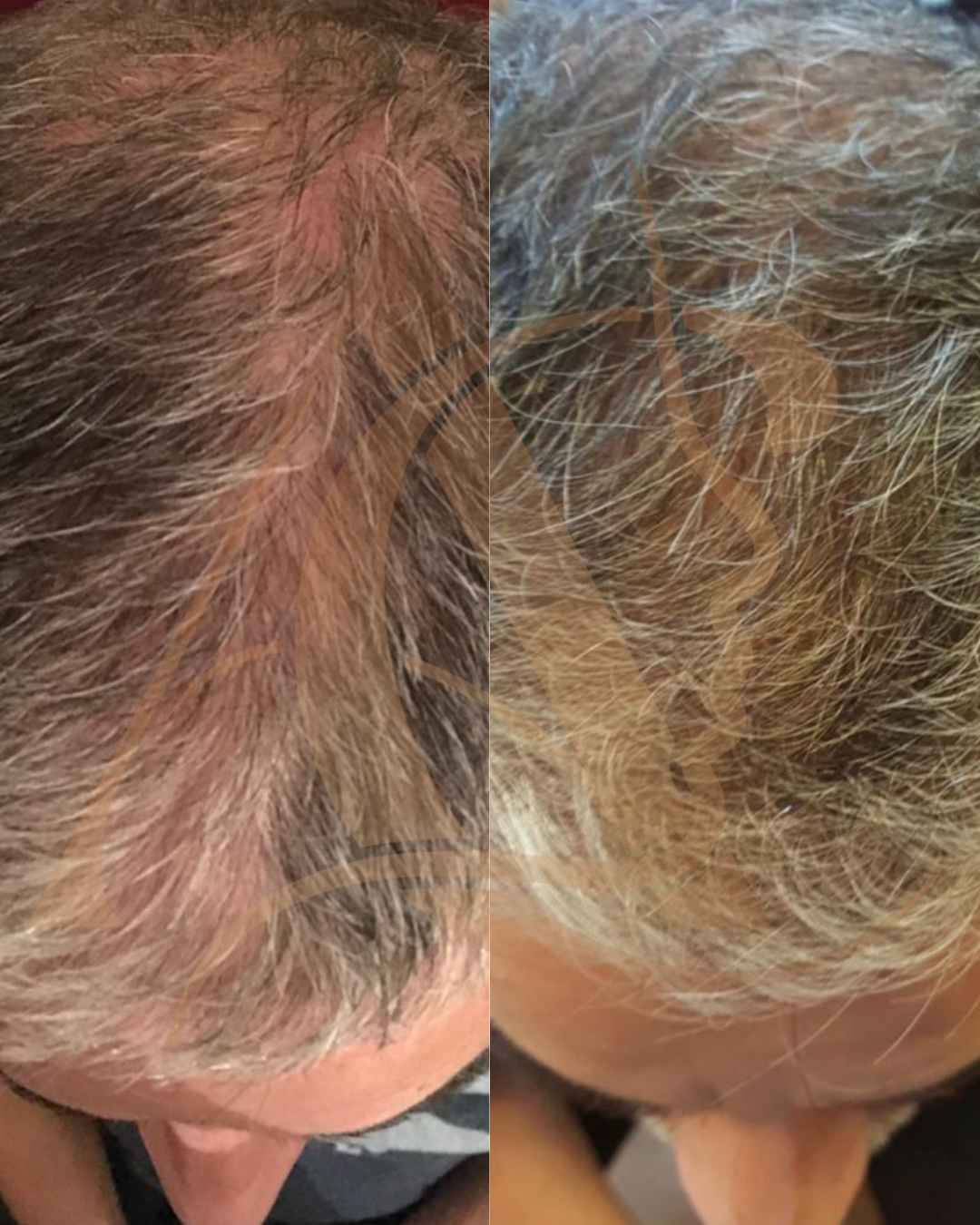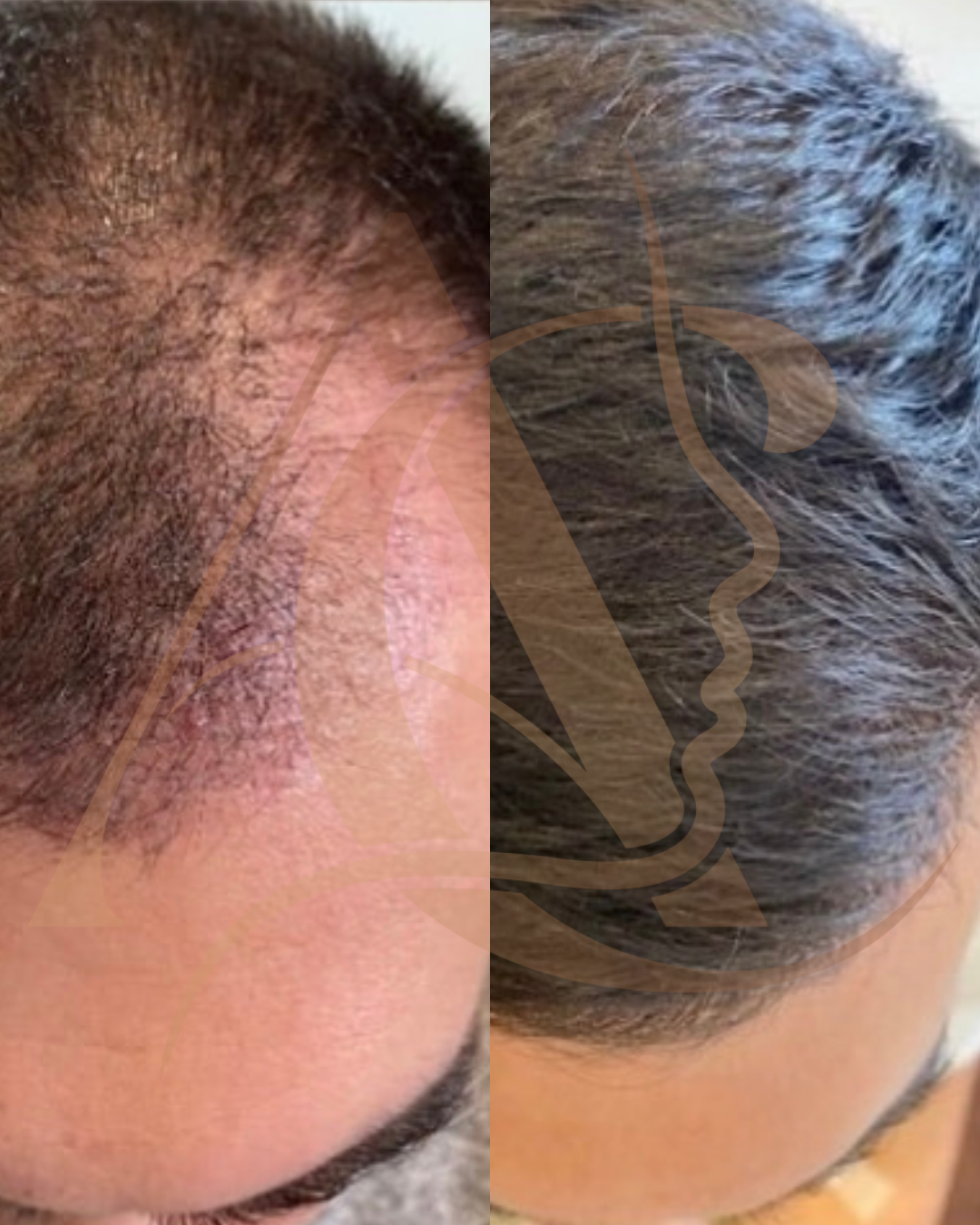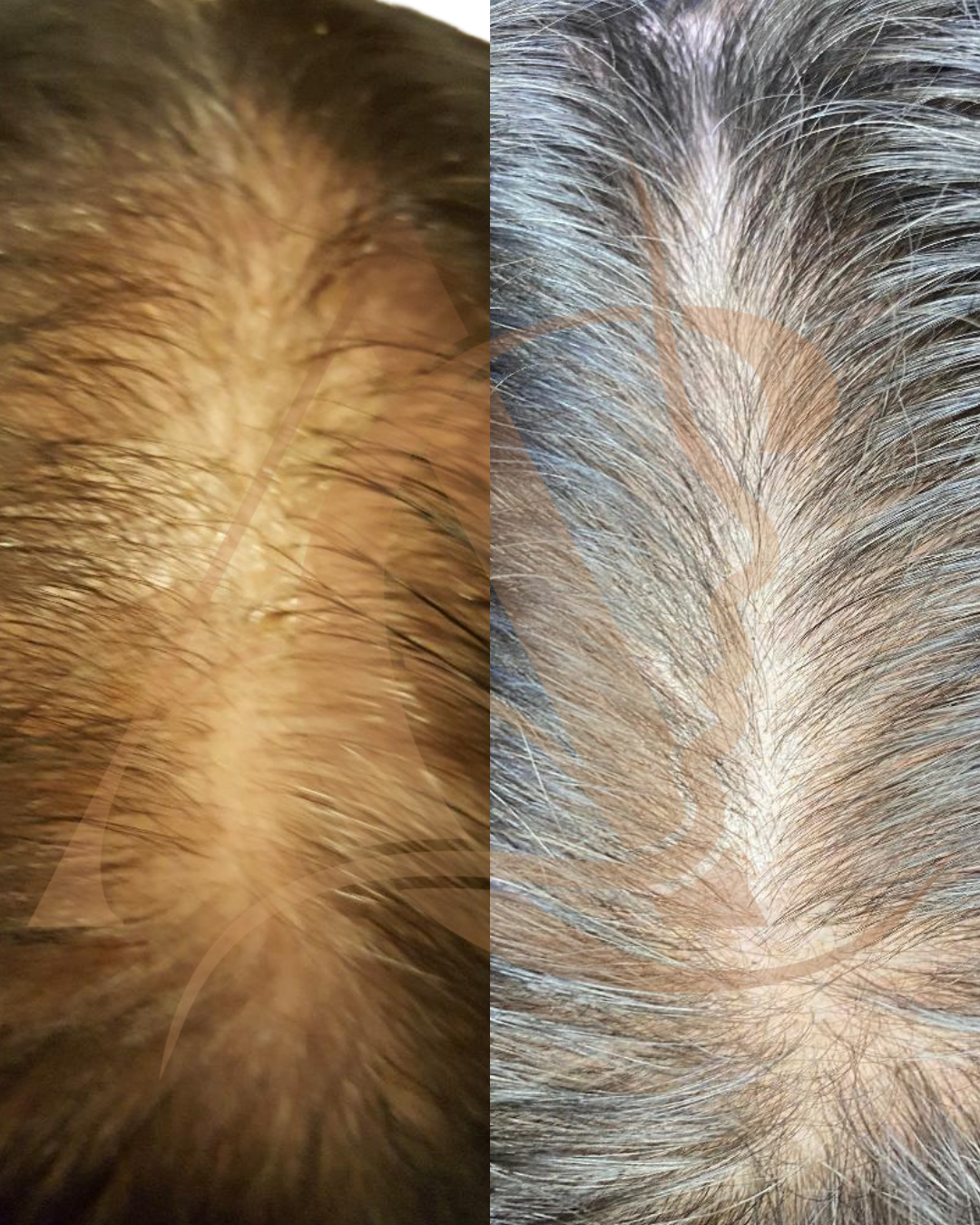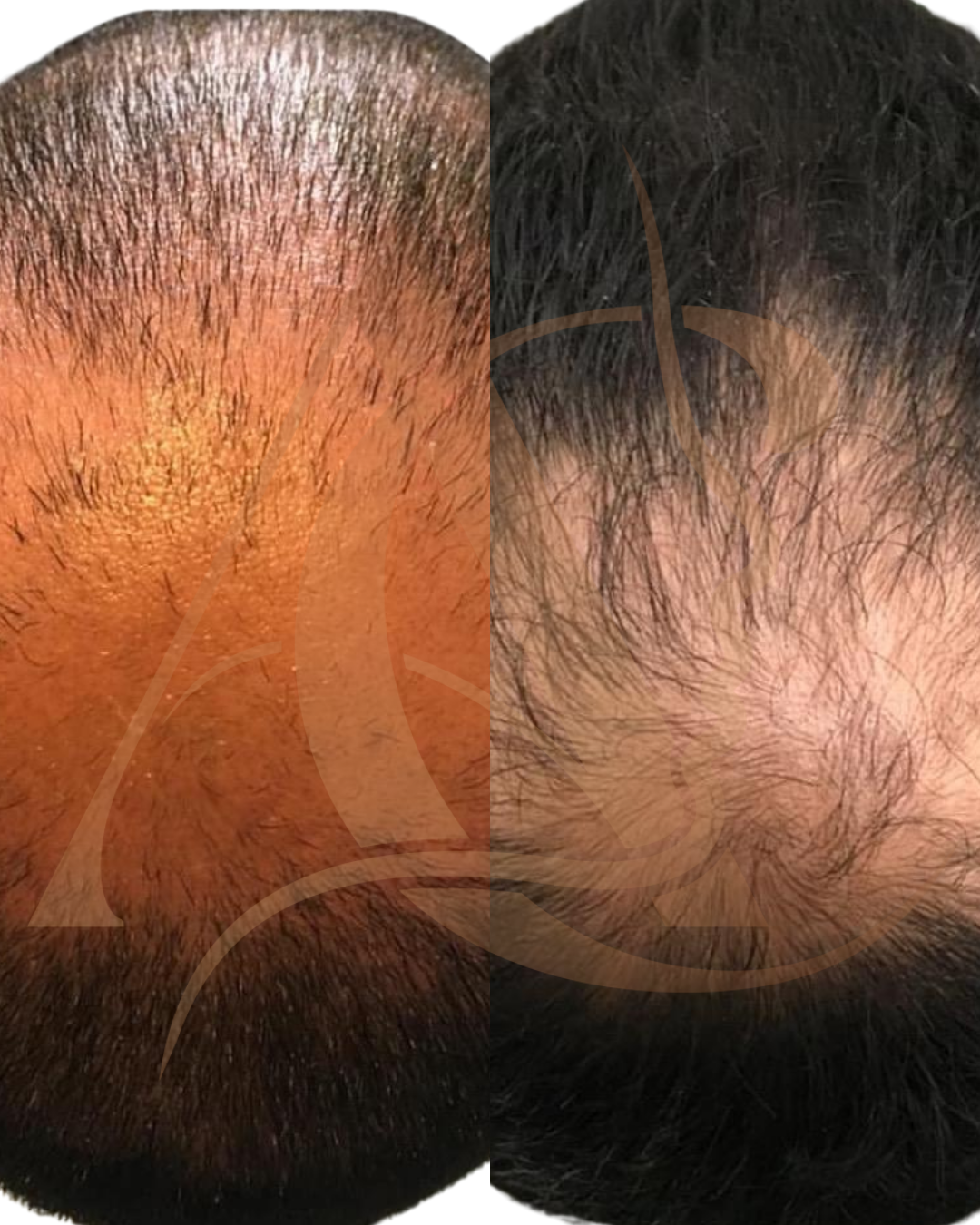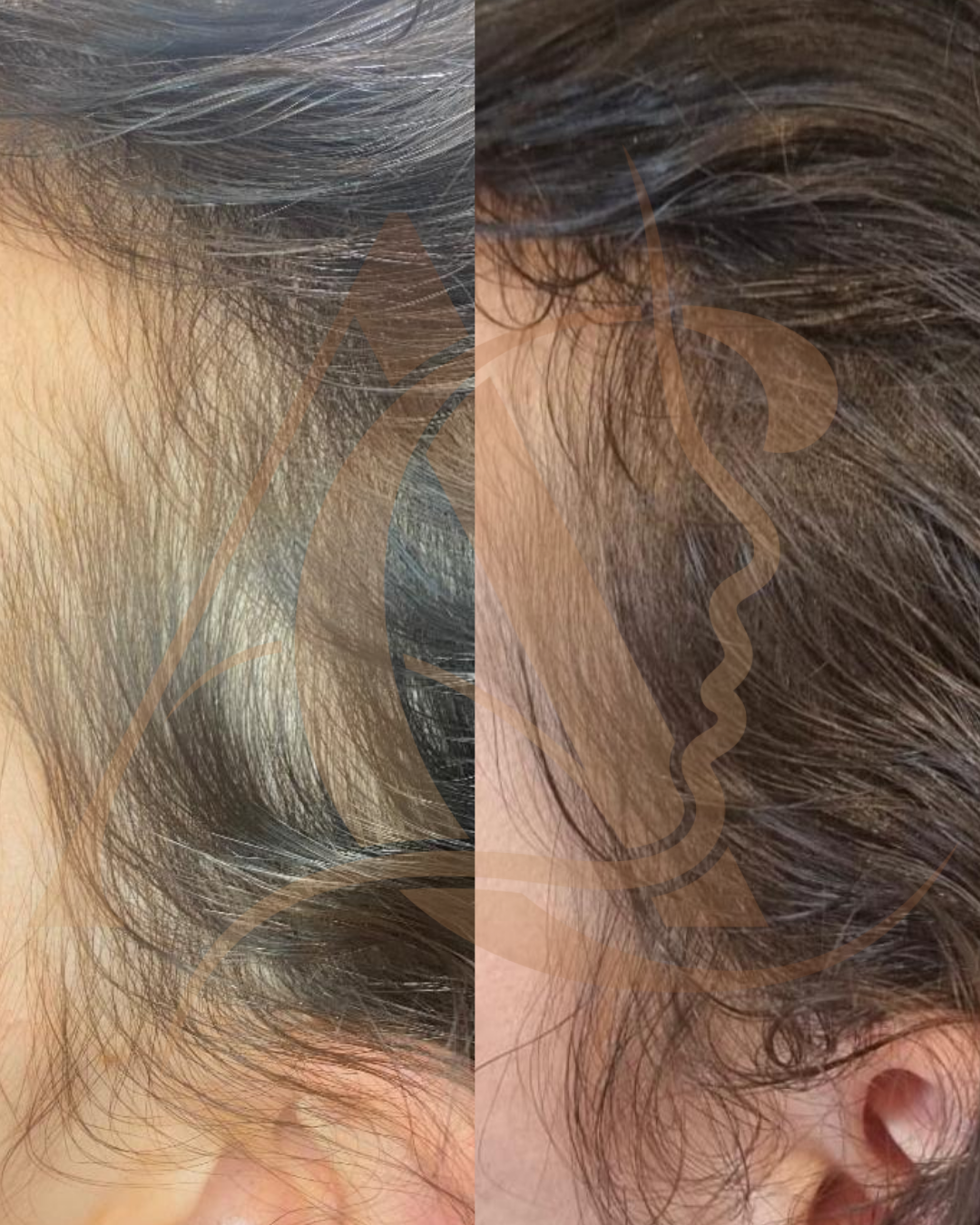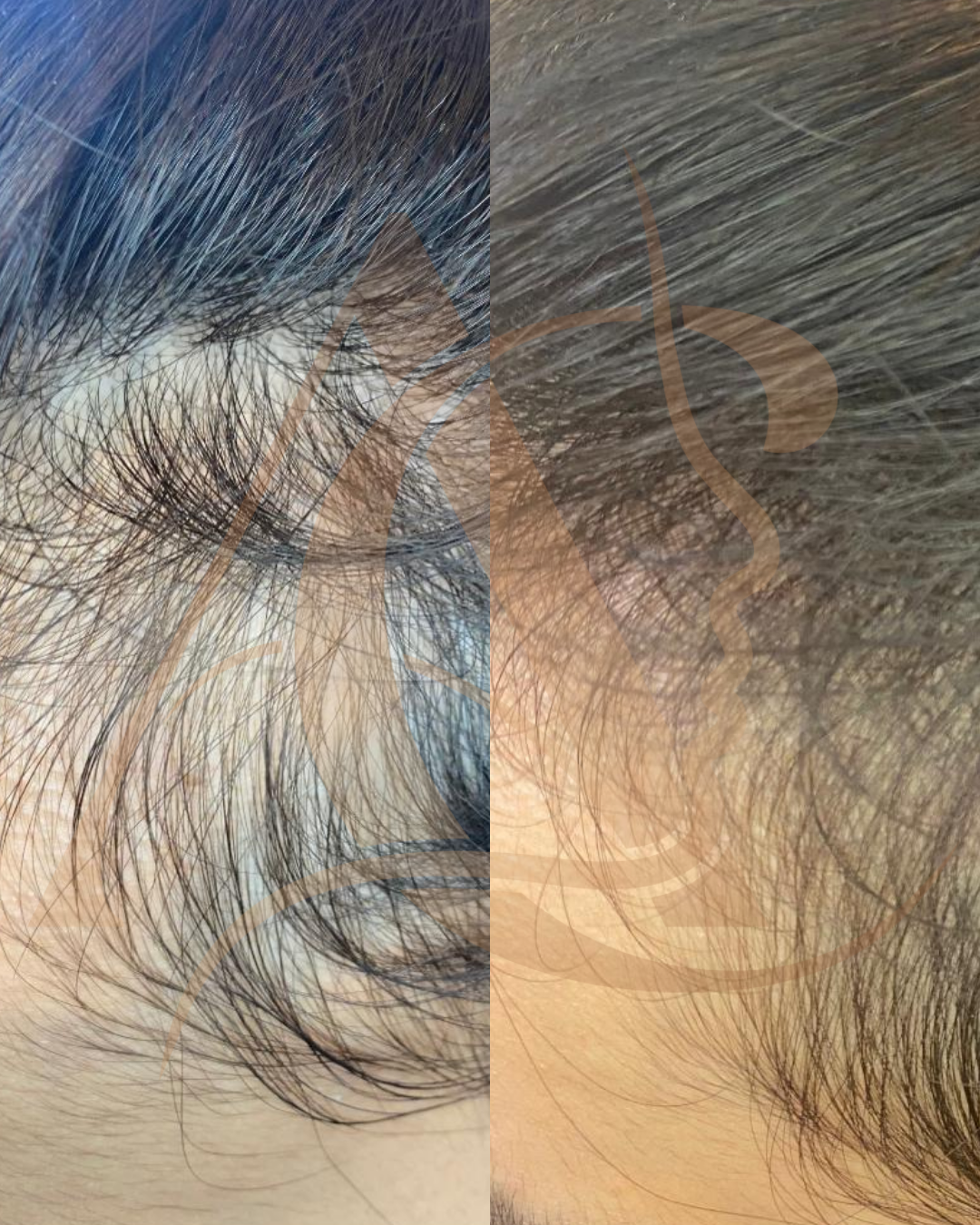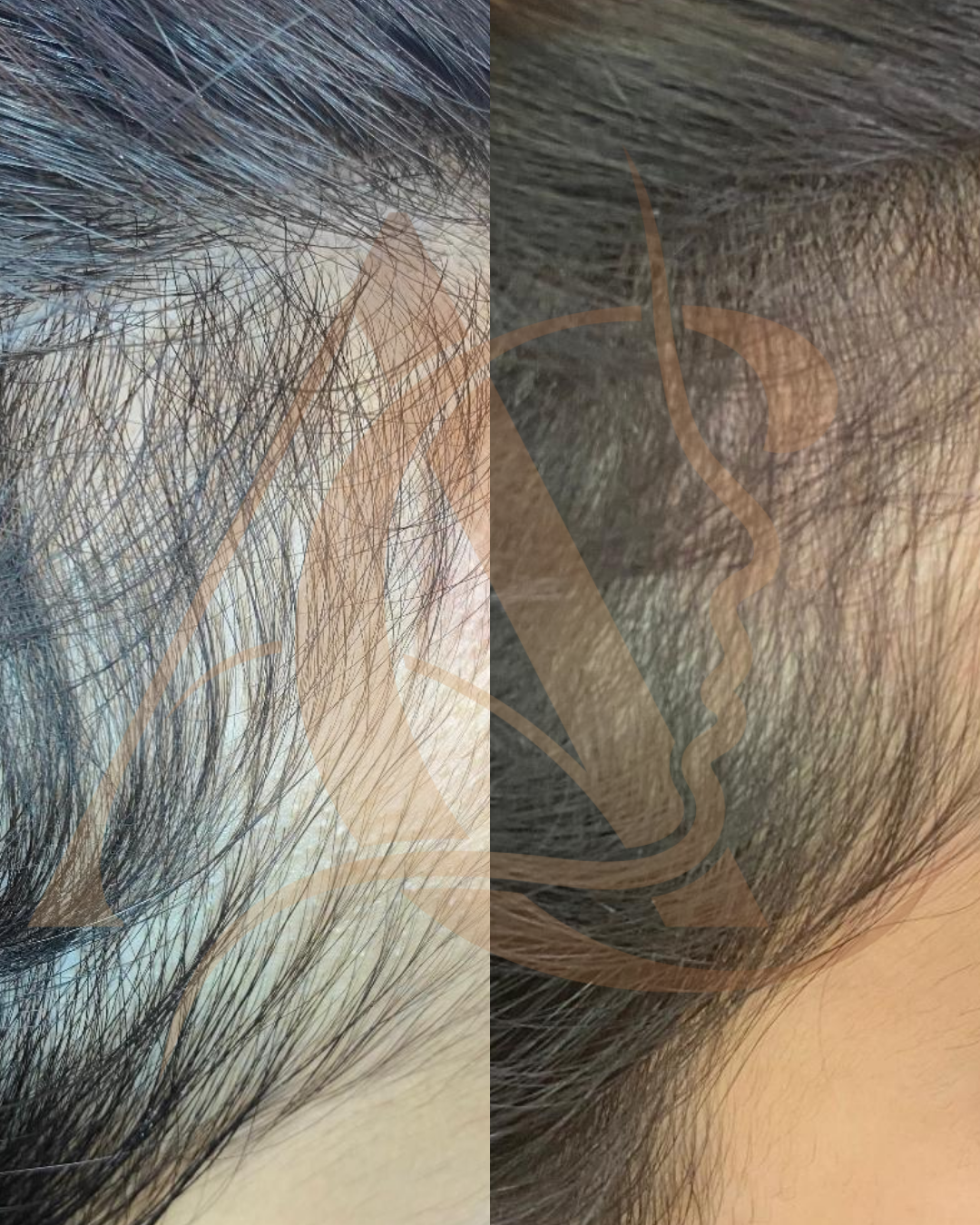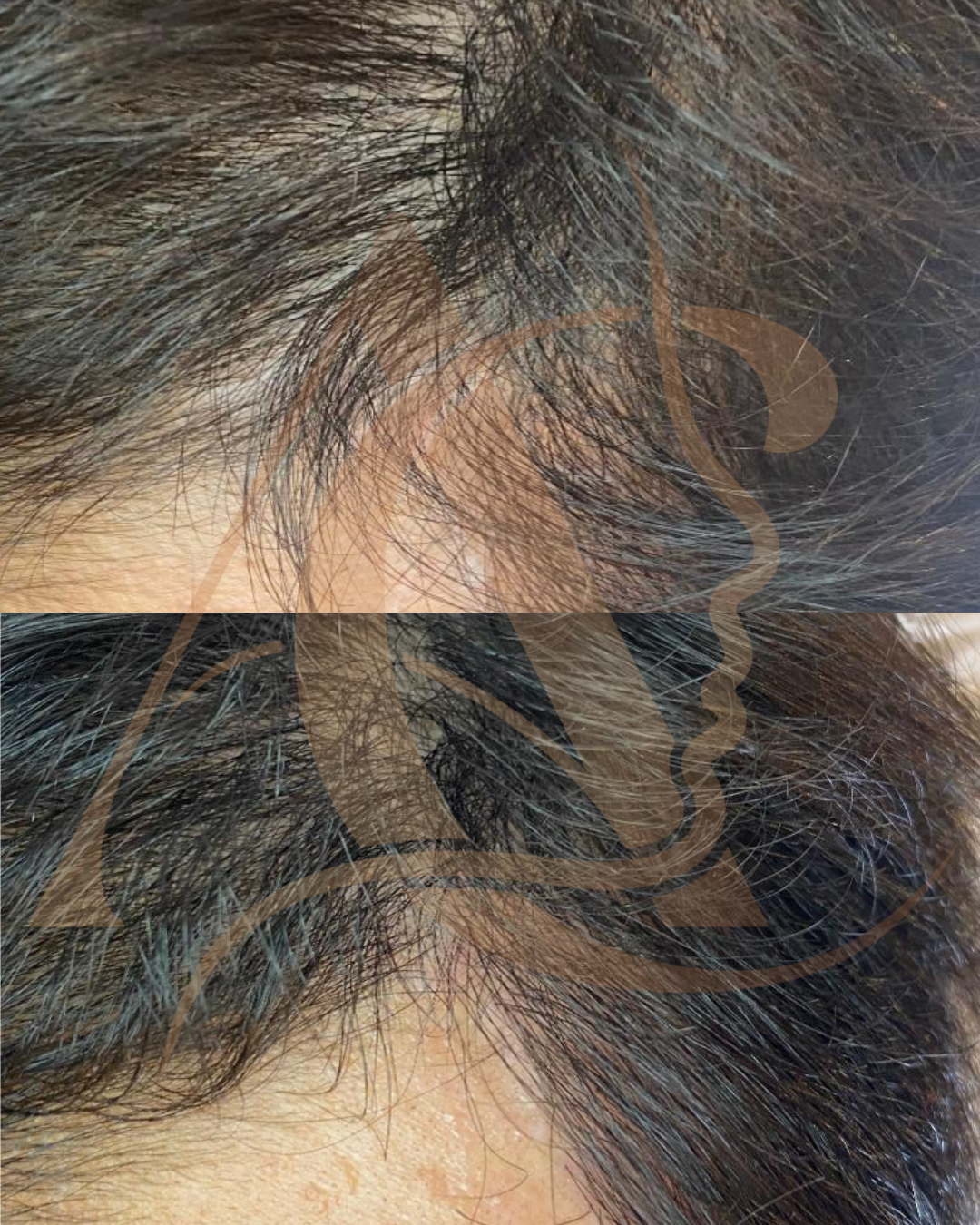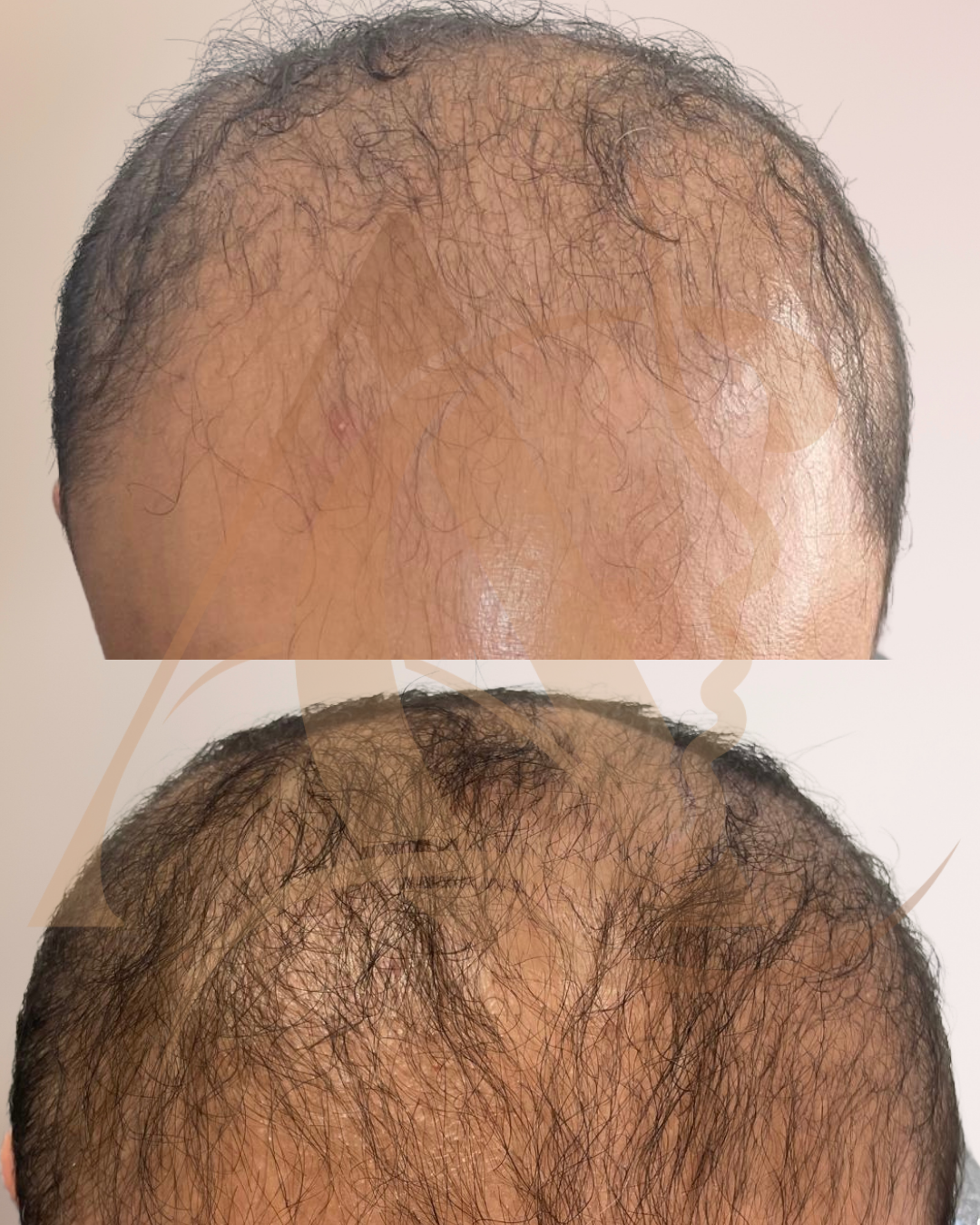
Hair thinning is a common concern that affects millions of women worldwide. Whether caused by genetics, hormonal changes, stress, ageing, or certain medical conditions, thinning hair can impact confidence and self-esteem. Fortunately, advances in regenerative medicine have introduced innovative treatments that aim to improve hair growth naturally.
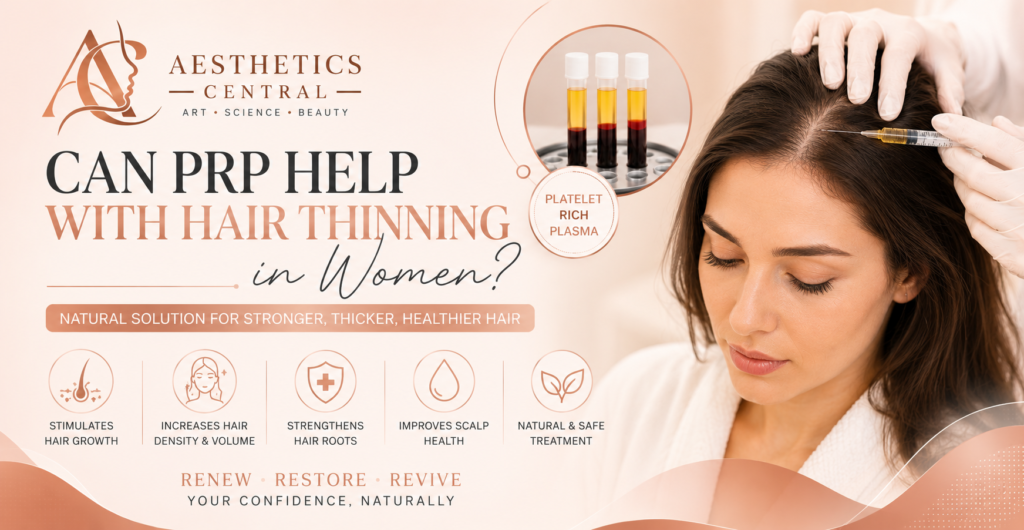
One of the most talked-about options is PRP for hair thinning in women. Short for Platelet-Rich Plasma (PRP) treatment, this non-surgical procedure uses the healing properties of your own blood to stimulate hair follicles and encourage healthier hair growth.
But does it really work? In this guide, we’ll explore how PRP works, its benefits, who it’s suitable for, and what women can realistically expect from treatment.
What Is PRP Treatment?
PRP treatment is a regenerative therapy that uses a concentrated portion of your own blood, known as platelet-rich plasma, to support tissue repair and cell regeneration.
The procedure begins with a small blood sample taken from your arm. The sample is processed in a centrifuge to separate the platelet-rich plasma, which contains a high concentration of growth factors. This PRP is then injected into targeted areas of the scalp where hair thinning is most noticeable.
Because PRP comes from your own blood, the risk of allergic reactions or rejection is extremely low.
Why Does Hair Thinning Occur in Women?
Female hair thinning can develop gradually and may have several underlying causes.
Common factors include:
- Female pattern hair loss (androgenetic alopecia)
- Hormonal changes during pregnancy or menopause
- Stress-related hair shedding
- Nutritional deficiencies
- Thyroid disorders
- Certain medications
- Ageing
- Medical conditions affecting hair growth
Identifying the underlying cause is essential before beginning any hair restoration treatment.
How Does PRP Help With Hair Thinning?
PRP for hair thinning in women works by delivering concentrated growth factors directly to weakened hair follicles.
These growth factors may help:
- Stimulate inactive hair follicles
- Improve blood circulation to the scalp
- Extend the hair growth (anagen) phase
- Strengthen existing hair follicles
- Increase hair thickness
- Reduce excessive hair shedding
Rather than creating new hair follicles, PRP supports the function of follicles that are still active but producing thinner or weaker hair.
Benefits of PRP for Hair Thinning in Women
Many women choose PRP treatment for hair loss because it offers a natural and minimally invasive approach to hair restoration.
Some potential benefits include:
1. Encourages Natural Hair Growth
PRP stimulates your body’s own healing response rather than relying on synthetic substances.
2. Improves Hair Thickness
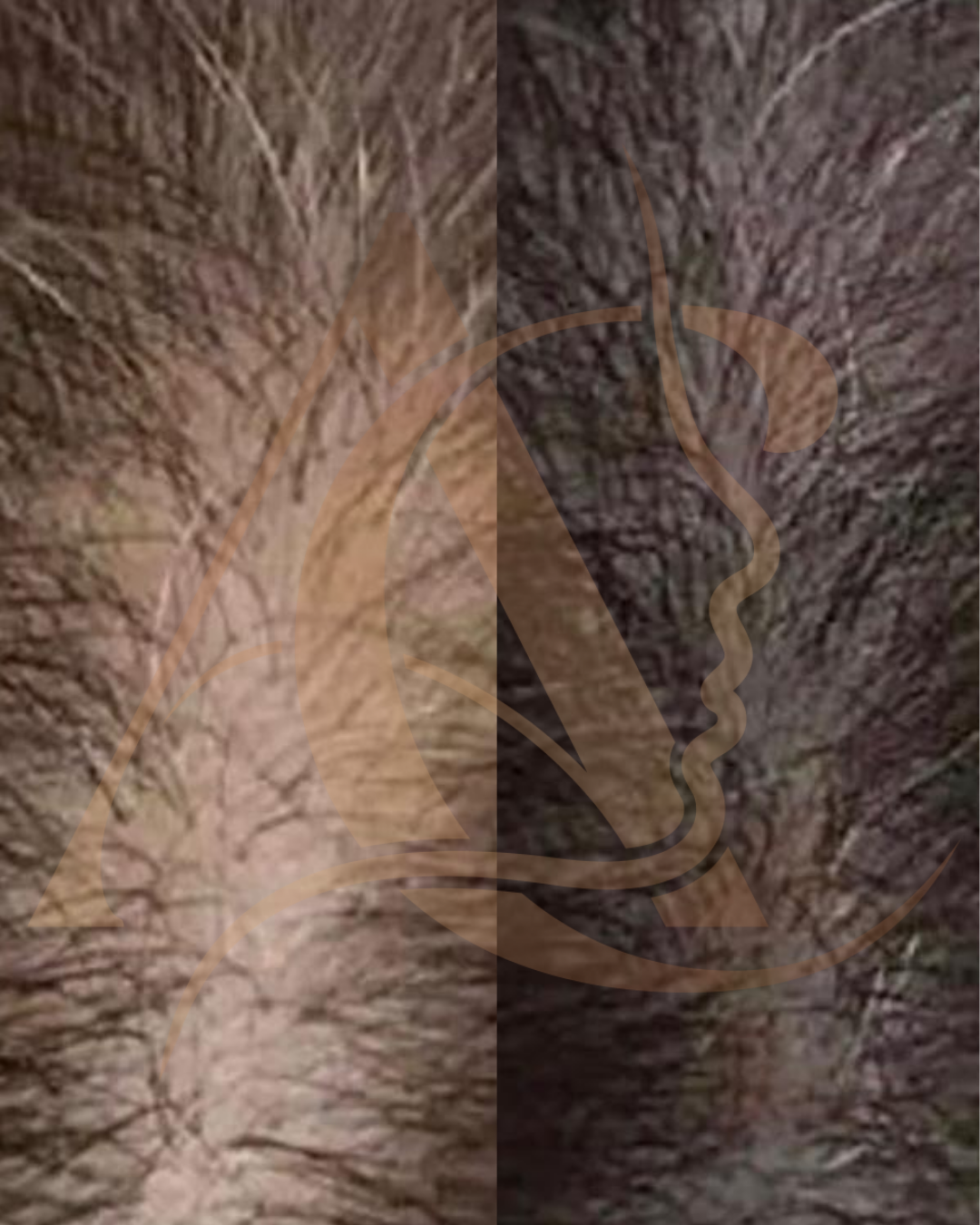
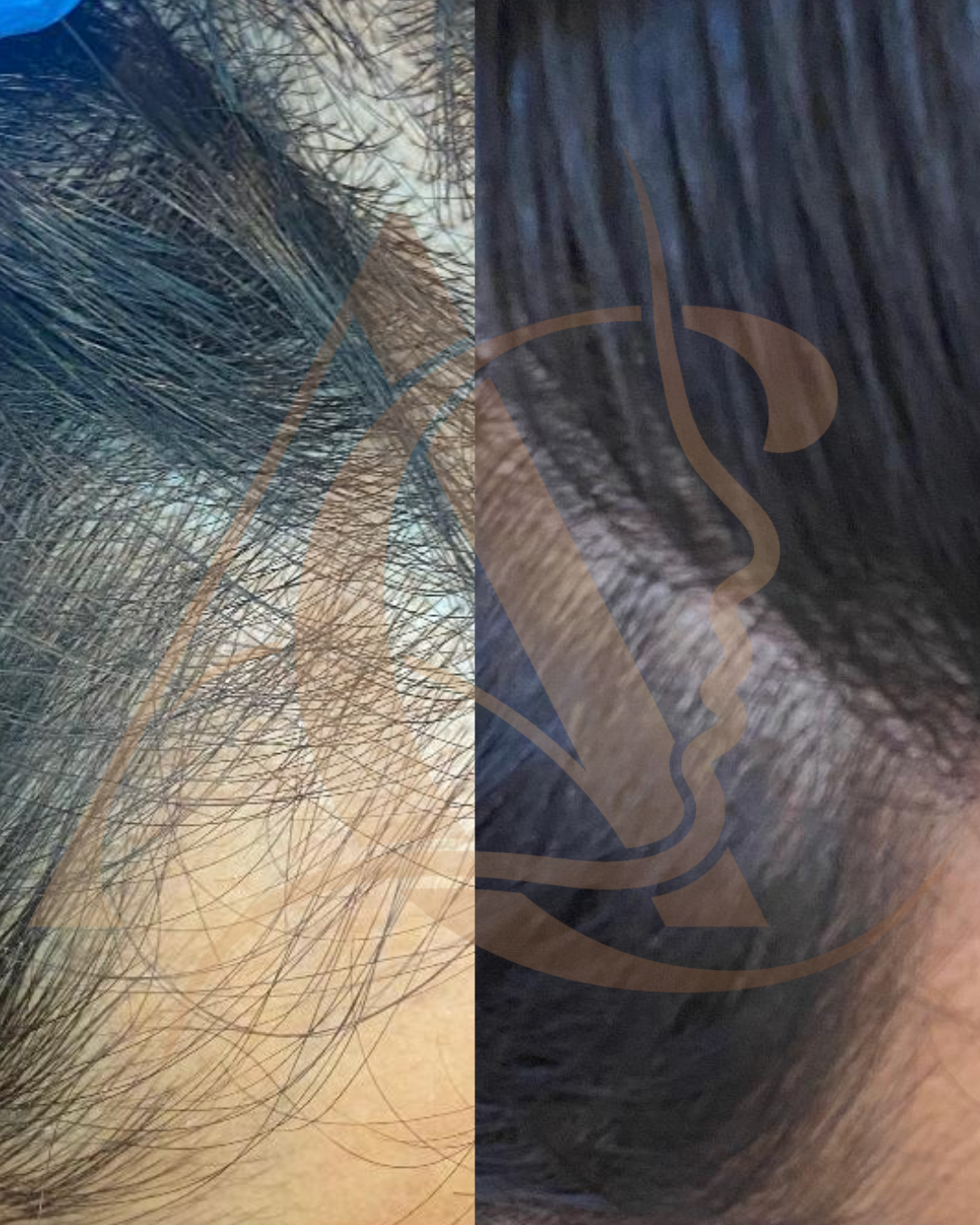
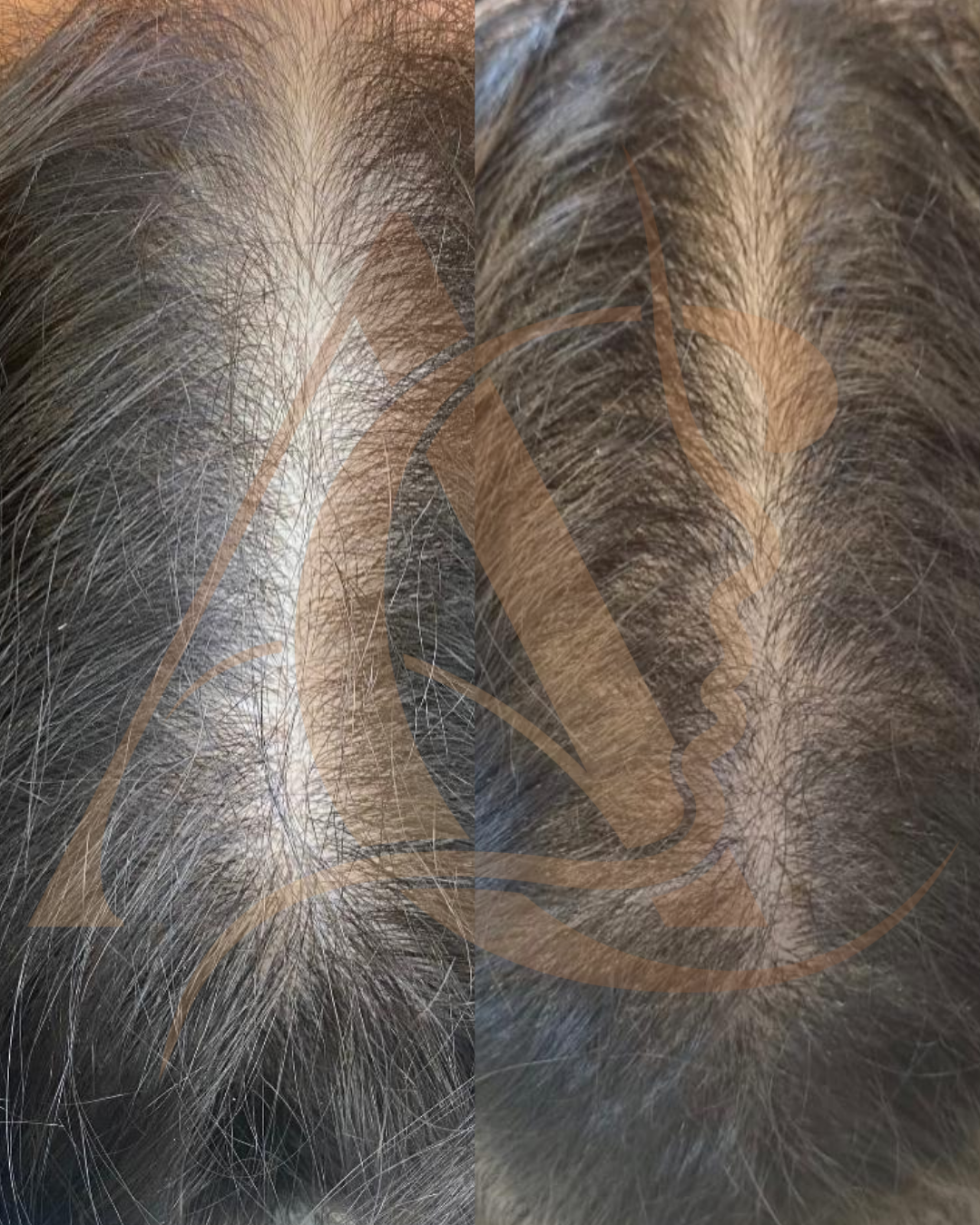
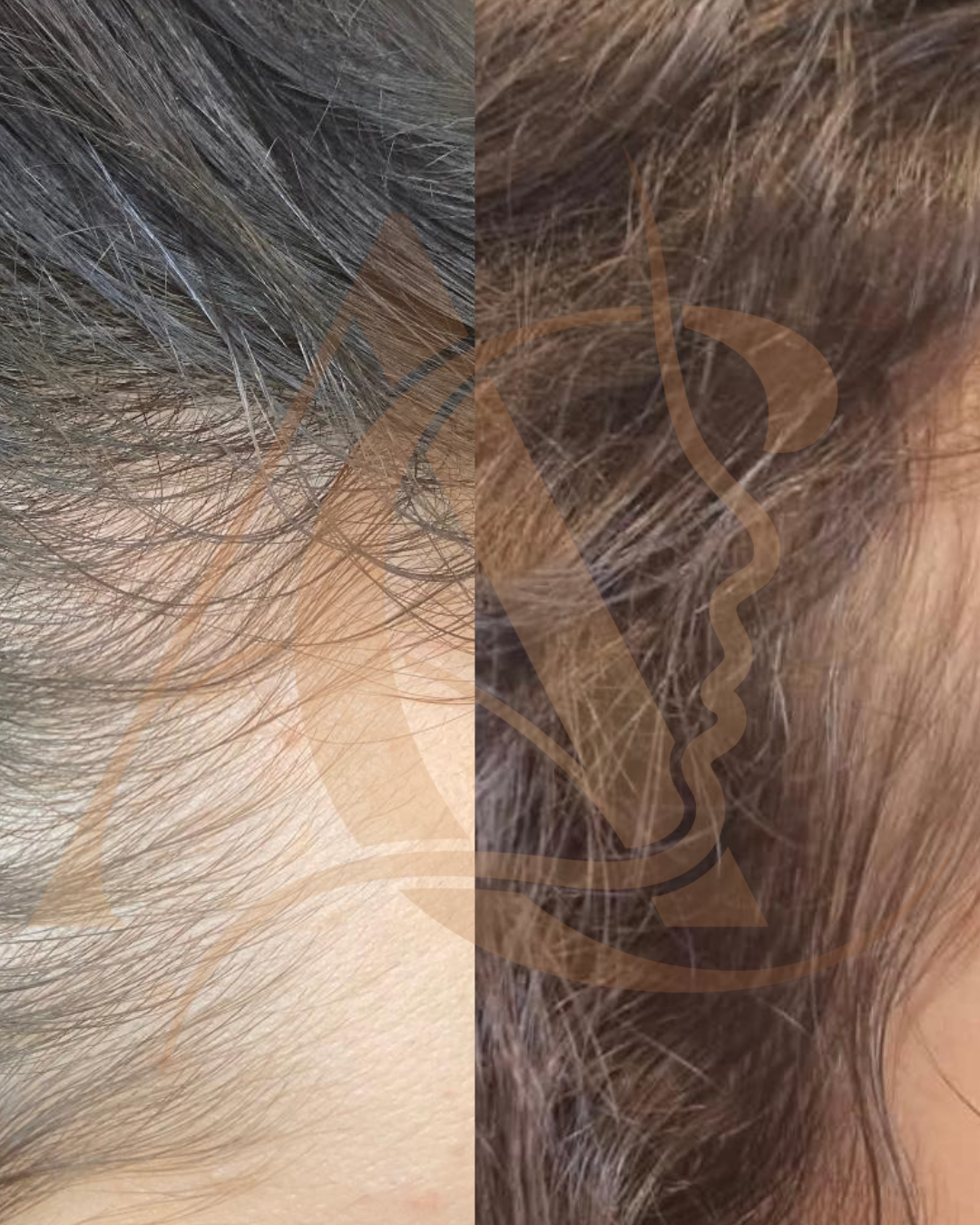
Many patients notice fuller, stronger-looking hair after completing a recommended course of treatment.
3. Reduces Hair Shedding
PRP may help reduce excessive daily hair loss by supporting healthier follicles.
4. Minimally Invasive Procedure
The treatment involves a series of small scalp injections with little downtime.
5. Uses Your Own Blood
Since Platelet-Rich Plasma therapy uses your own blood, the risk of allergic reactions is minimal.
6. Suitable for Early Hair Thinning
Women experiencing mild to moderate thinning often achieve the best outcomes because active hair follicles are still present.
What Happens During the Procedure?
A typical PRP treatment appointment takes approximately 45–60 minutes.
The procedure usually includes:
- Consultation and scalp assessment.
- Blood collection.
- PRP preparation using a centrifuge.
- Cleansing the treatment area.
- Multiple small injections into thinning areas of the scalp.
- Post-treatment aftercare advice.
Most patients experience only mild discomfort during the injections.
Recovery and Aftercare
One of the advantages of PRP for hair thinning in women is the short recovery period.
After treatment, you may notice:
- Mild redness
- Slight swelling
- Temporary tenderness
- Minor scalp sensitivity
These effects generally settle within one or two days.
To support healing, your practitioner may recommend:
- Avoiding strenuous exercise for 24 hours
- Delaying hair washing for the recommended period
- Avoiding direct sun exposure
- Following all aftercare instructions carefully
Most women return to normal activities the following day.
When Will You See Results?
Hair growth is a gradual process, so patience is important.
Typical timelines include:
- 4–8 weeks: Hair shedding may begin to reduce.
- 3–4 months: Early improvements in hair thickness may become noticeable.
- 6–12 months: Continued improvements in density and overall hair quality.
Most practitioners recommend three to four initial treatment sessions, followed by maintenance treatments every 6–12 months, depending on individual needs.
Who Is a Good Candidate?
You may be a suitable candidate for PRP for hair thinning in women if you:
- Have early-stage female pattern hair loss
- Notice gradual thinning rather than complete baldness
- Are in good general health
- Prefer a non-surgical treatment
- Have realistic expectations
PRP may be less effective if hair follicles are no longer active, making an expert consultation essential before treatment.
Does PRP Really Work for Women?
Research suggests that PRP treatment for hair loss may improve hair density, thickness, and overall hair quality in women with certain types of hair thinning, particularly female pattern hair loss.
However, results vary between individuals. Factors such as age, genetics, overall health, and the underlying cause of hair thinning can all influence treatment outcomes.
For many women, PRP works best as part of a personalised hair restoration plan developed by a qualified medical professional.
Frequently Asked Questions
Is PRP safe for women?
Yes. Because PRP uses your own blood, it is generally considered safe when performed by a qualified practitioner using sterile techniques.
Can PRP stop hair loss permanently?
No. PRP helps stimulate existing hair follicles but does not permanently prevent future hair loss. Maintenance treatments are often recommended.
How many PRP sessions will I need?
Most women benefit from three to four initial treatments, followed by maintenance sessions based on individual progress.
Can PRP be combined with other hair loss treatments?
Yes. Depending on your diagnosis, your practitioner may recommend combining PRP with other evidence-based treatments to achieve the best possible results.
Conclusion
PRP for hair thinning in women has become one of the leading non-surgical treatments for female hair loss because it uses the body’s natural healing mechanisms to support healthier, stronger hair. While it is not a cure for every type of hair loss, many women experience improved hair thickness, reduced shedding, and increased confidence after completing a personalised treatment plan.
At Aesthetics Central, our experienced practitioners provide comprehensive hair assessments and tailored PRP treatment plans designed to address your individual concerns. If you’re noticing hair thinning and want a natural, minimally invasive solution, booking a professional consultation is the first step toward healthier-looking hair.