Chemical Peels vs Microneedling: Which Treatment Is Better?
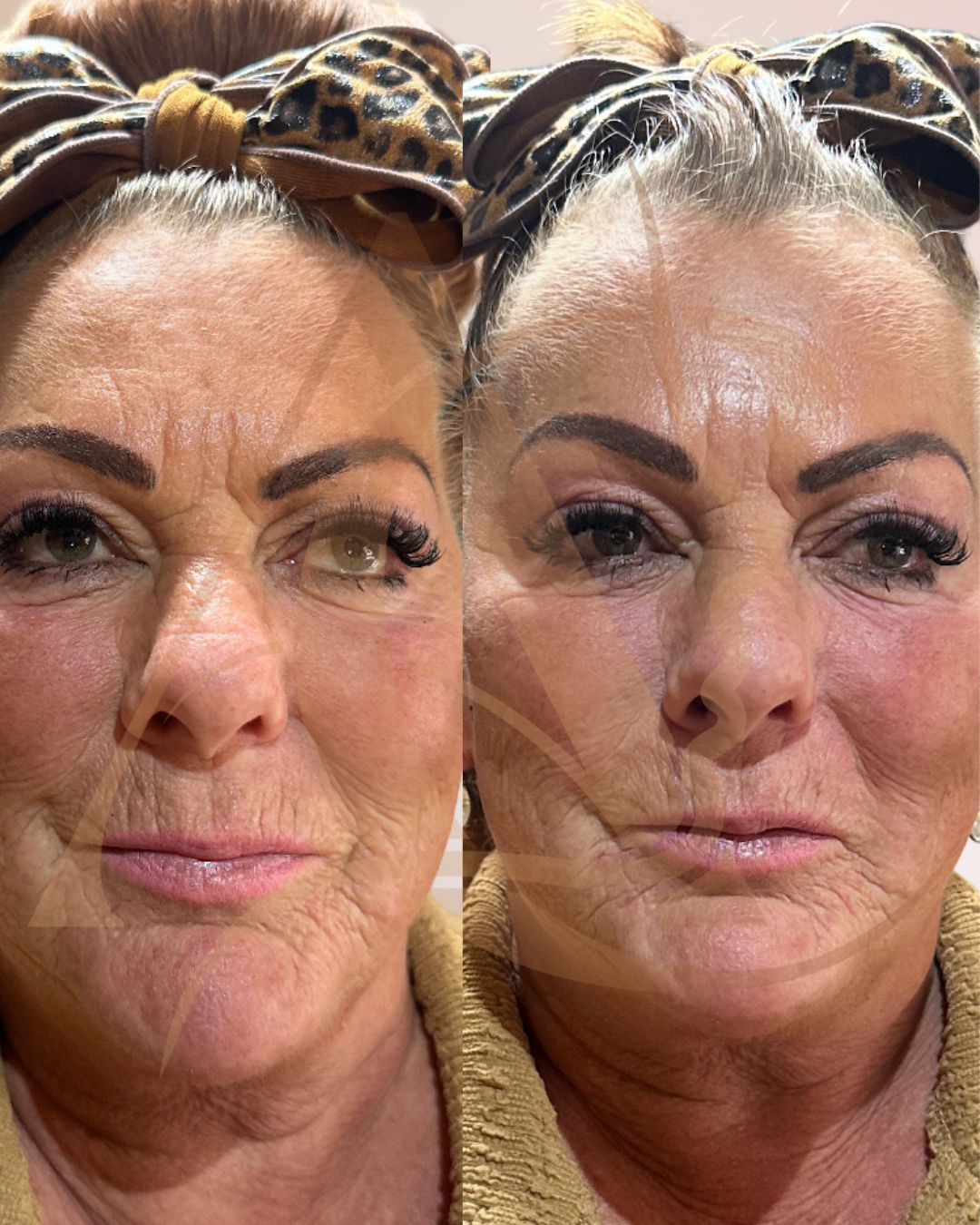
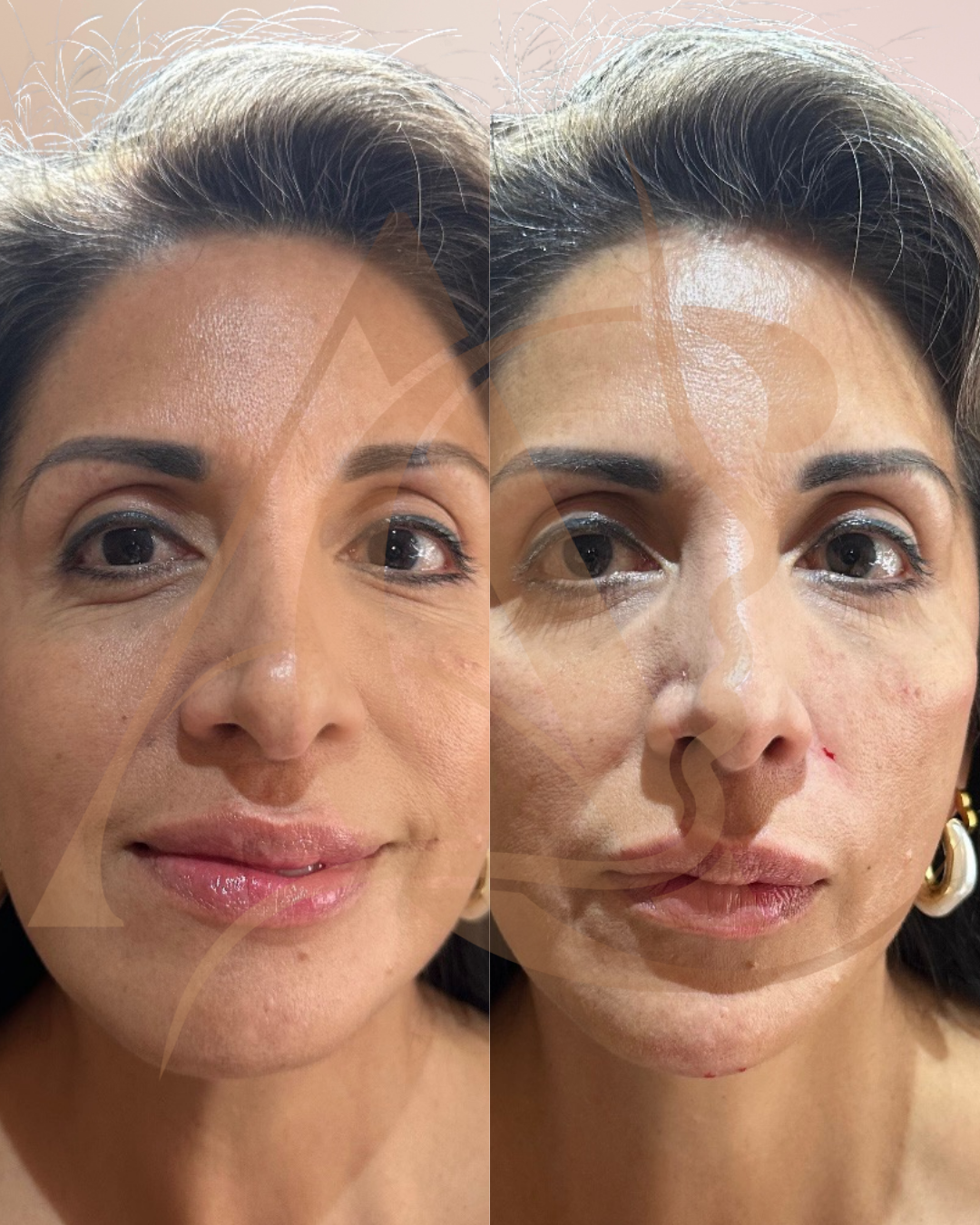
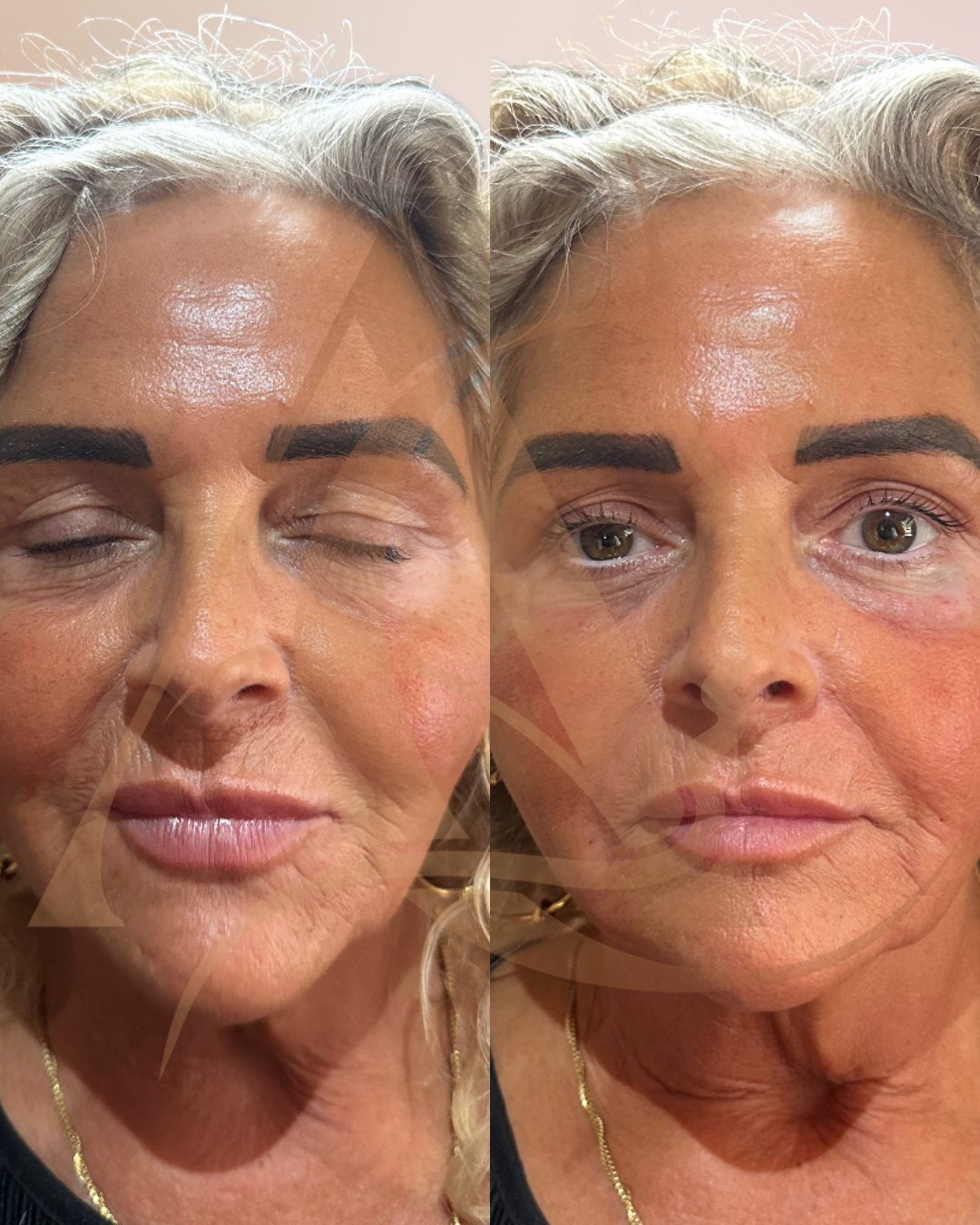
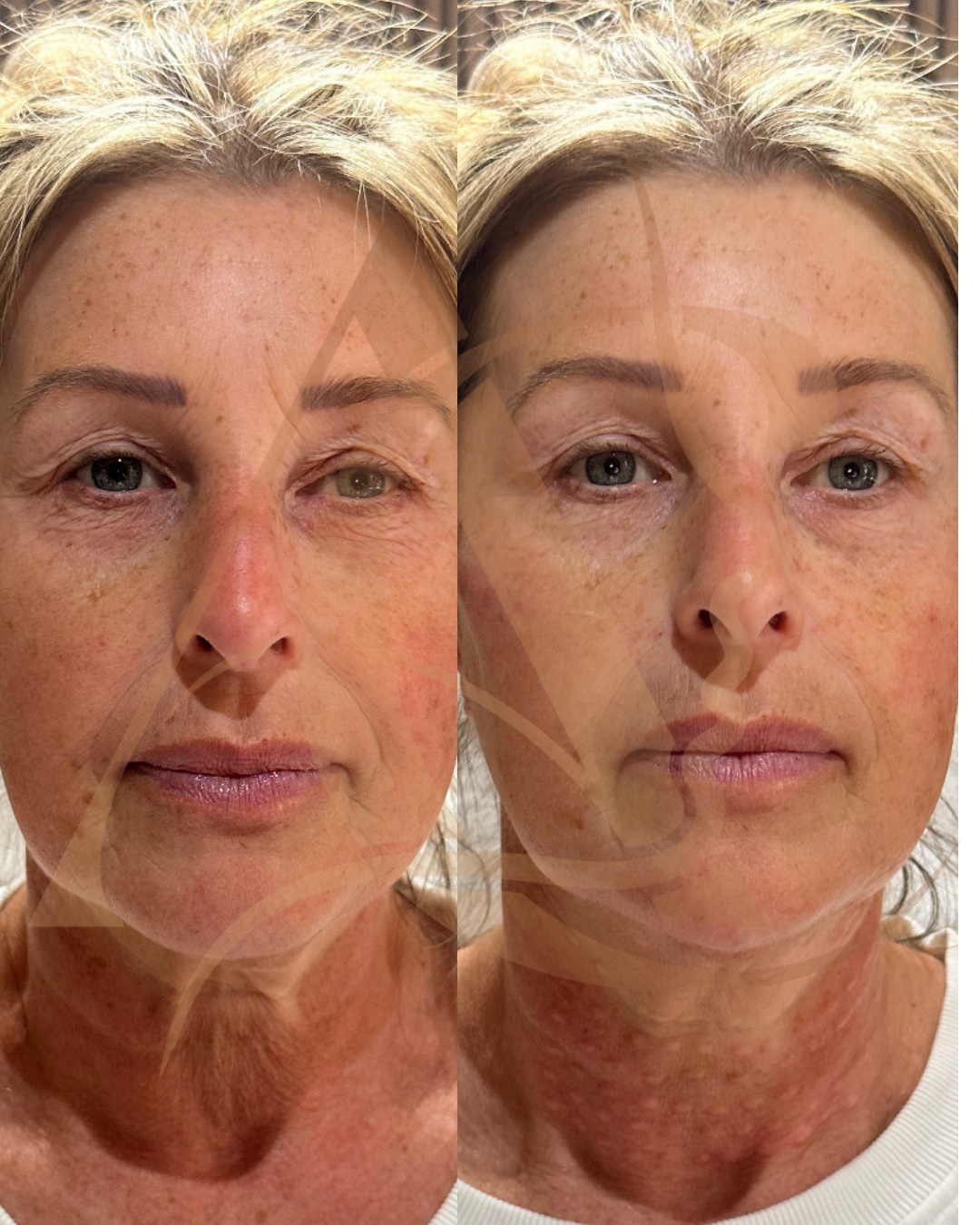
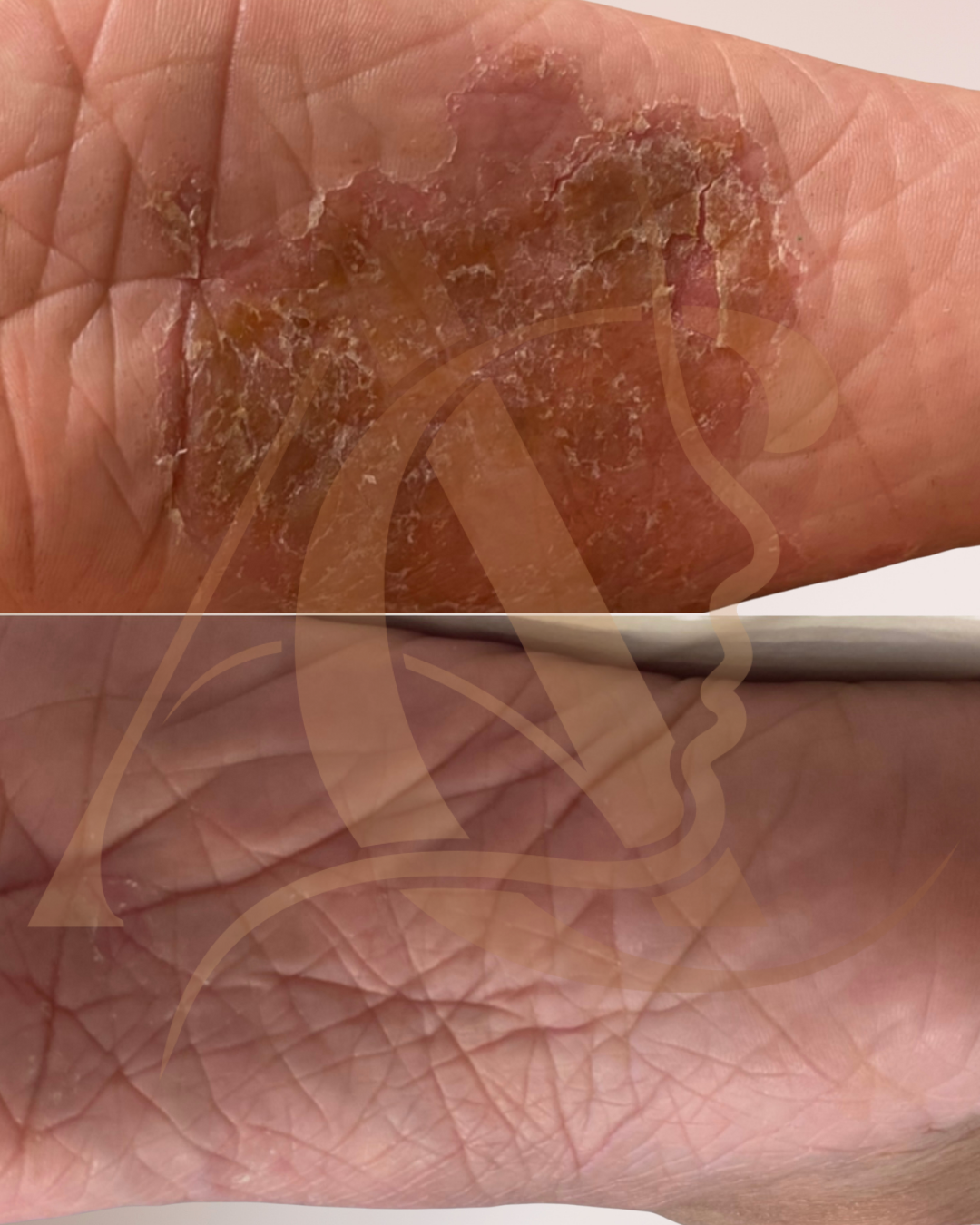
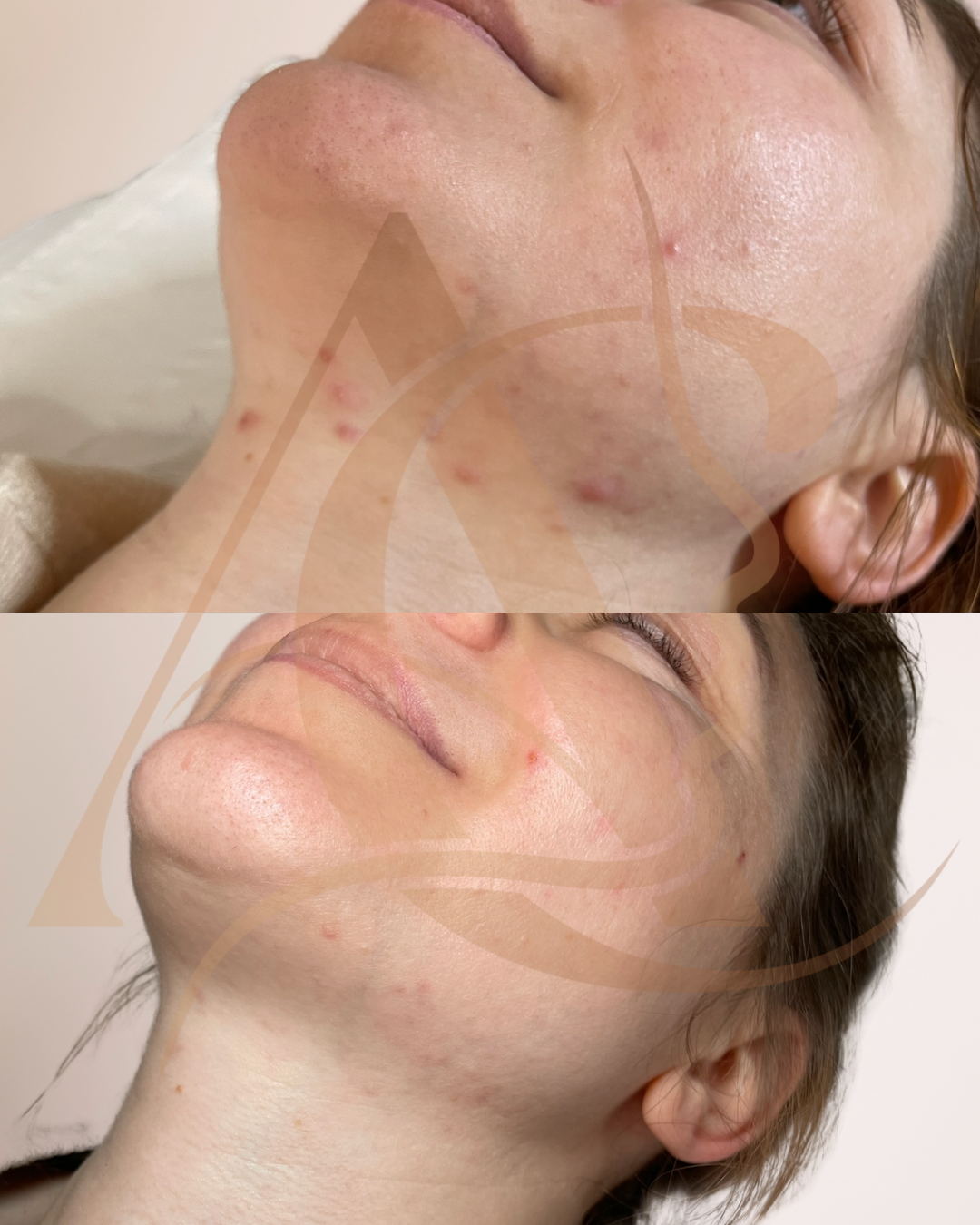
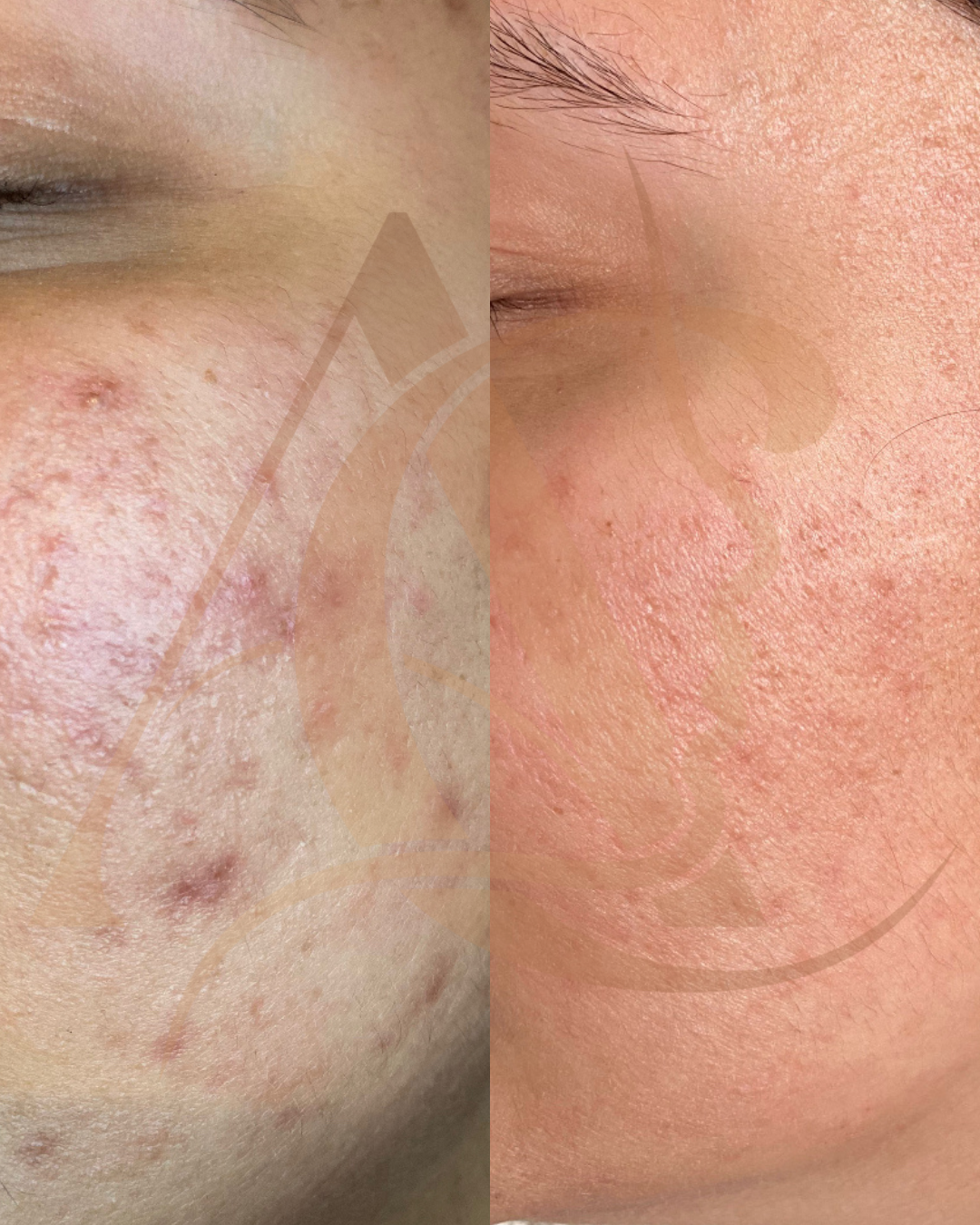
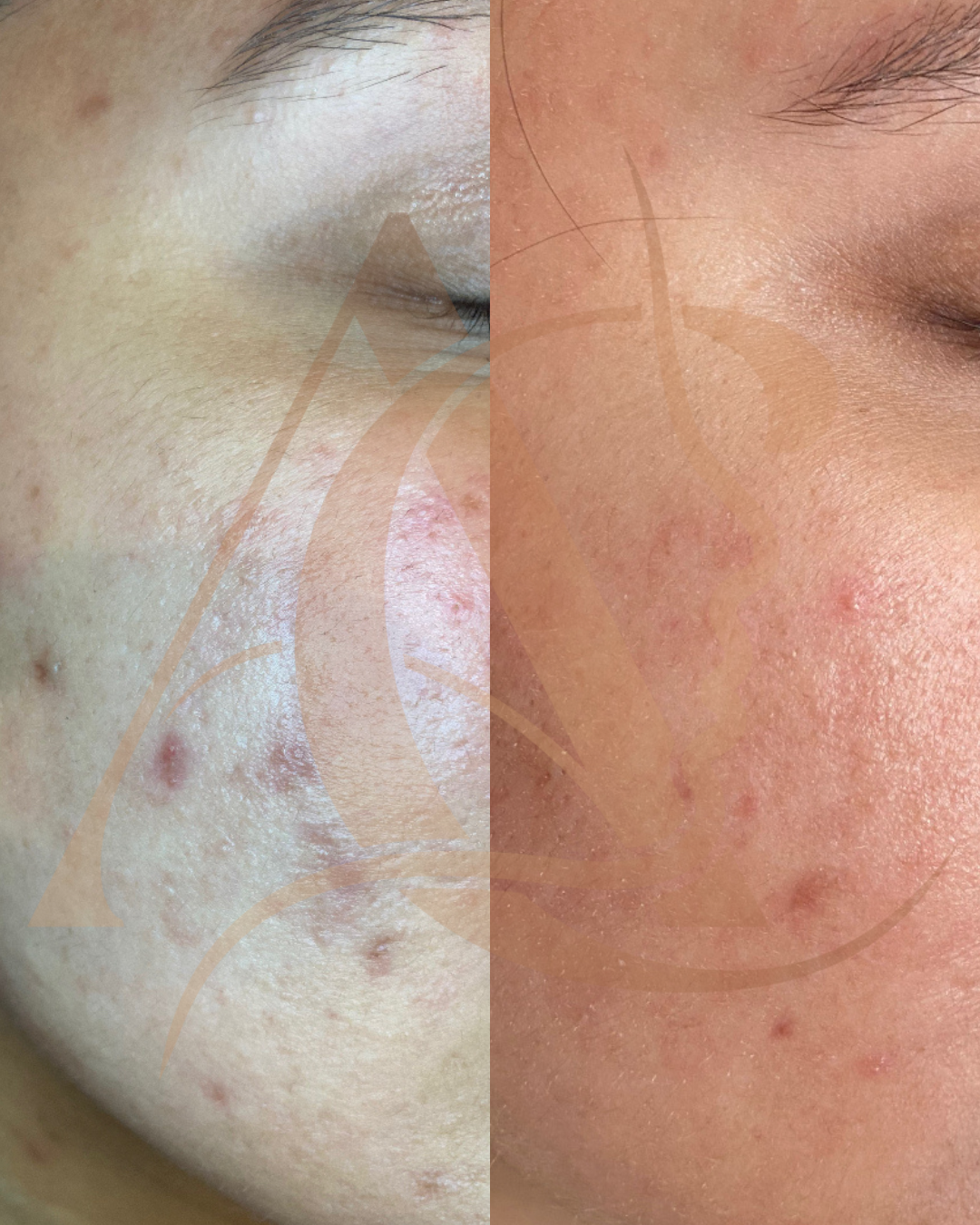
If you’re looking to improve your skin without surgery, you’ve probably come across two of the most popular aesthetic treatments: chemical peels and microneedling. Both procedures are designed to rejuvenate the skin, reduce imperfections, and improve overall complexion, but they work in very different ways. Choosing between chemical peels vs microneedling depends on your skin type, concerns, recovery expectations, and desired results. While chemical peels use specially formulated acids to exfoliate damaged skin, microneedling stimulates the body’s natural healing response by creating controlled micro-injuries that encourage collagen production. In this guide, we’ll compare the benefits, procedures, recovery time, risks, and results of both treatments to help you decide which option may be right for your skin. What Is a Chemical Peel? A chemical peel is a cosmetic skin treatment that uses a carefully selected chemical solution to exfoliate the outer layers of the skin. As the damaged skin peels away, new, healthier skin is revealed underneath. Depending on your skin concerns, your practitioner may recommend: Chemical peels are commonly used to improve: The strength of the peel determines both the results and the recovery period. What Is Microneedling? Microneedling, also known as collagen induction therapy, is a minimally invasive procedure that uses tiny sterile needles to create controlled micro-channels in the skin. These microscopic injuries stimulate the body’s natural healing process, encouraging the production of collagen and elastin—two essential proteins responsible for firm, youthful-looking skin. Microneedling is commonly recommended for: It can also be combined with PRP (Platelet-Rich Plasma) or medical-grade serums to enhance results. Chemical Peels vs Microneedling: How Do They Work? Although both treatments improve skin quality, they work differently. Chemical Peels Chemical peels dissolve the bonds between dead skin cells, allowing the damaged outer layer to shed naturally. This process promotes new skin cell turnover and reveals smoother, brighter skin. Microneedling Microneedling creates tiny controlled punctures in the skin that trigger the body’s wound-healing response. This stimulates collagen production and tissue regeneration from within rather than removing layers of skin. Benefits of Chemical Peels A chemical peel offers several advantages, including: Chemical peels are particularly effective for treating pigmentation-related concerns and superficial skin imperfections. Benefits of Microneedling Microneedling is popular because it focuses on stimulating the skin’s natural repair process. Benefits include: Unlike aggressive resurfacing procedures, microneedling preserves the outer layer of the skin while encouraging regeneration beneath the surface. Which Treatment Is Better for Acne Scars? Both treatments may improve acne scars, but the best choice depends on the type and severity of scarring. Microneedling is often preferred for atrophic (depressed) acne scars because collagen stimulation helps remodel scar tissue over time. Chemical peels may be more suitable for post-inflammatory hyperpigmentation and superficial acne marks. In some cases, practitioners recommend combining both treatments as part of a personalised treatment plan. Which Treatment Is Better for Wrinkles? When comparing chemical peels vs microneedling for wrinkles: For deeper wrinkles, combination treatments may provide better overall results than either procedure alone. Recovery Time: Chemical Peels vs Microneedling Recovery varies depending on the treatment and its intensity. Chemical Peel Recovery You may experience: Recovery can range from a few days for superficial peels to several weeks for deeper peels. Microneedling Recovery Most patients experience: These effects usually resolve within 24–72 hours, making microneedling a popular option for those seeking minimal downtime. Who Is a Good Candidate? Chemical Peels May Be Suitable If You Have: Microneedling May Be Better If You Have: A professional consultation is essential to determine which treatment best matches your skin type and goals. Can You Combine Chemical Peels and Microneedling? Yes—but not during the same appointment unless specifically recommended by your practitioner. Many aesthetic professionals create treatment plans that alternate chemical peels and microneedling over several months to address multiple concerns, such as pigmentation, acne scars, and collagen loss. Combining treatments should always be done under professional supervision to minimise the risk of irritation or skin damage. Frequently Asked Questions Is microneedling better than chemical peels? Neither treatment is universally better. The right option depends on your skin concerns, skin type, and desired results. Can chemical peels remove acne scars? Chemical peels may improve superficial acne scars and post-inflammatory pigmentation, but deeper scars often respond better to collagen-stimulating treatments like microneedling. How many sessions are needed? Most patients require multiple sessions of either treatment to achieve the best results. Your practitioner will recommend a personalised treatment plan. Can I wear makeup after treatment? Your practitioner will advise when it is safe to resume makeup use, depending on the treatment performed and your skin’s recovery. Conclusion When comparing chemical peels vs microneedling, there is no one-size-fits-all answer. Both treatments offer excellent benefits but target different skin concerns. Chemical peels are often ideal for improving pigmentation, sun damage, and uneven skin tone, while microneedling excels at stimulating collagen, reducing acne scars, and improving skin texture. The best treatment depends on your individual skin condition, goals, and medical history. At Aesthetics Central, our experienced practitioners assess your skin thoroughly before recommending the most suitable treatment plan. Whether you choose a chemical peel, microneedling, or a combination of both, a personalised approach will help you achieve healthier, smoother, and more radiant skin.
Chemical Peels vs Microneedling: Which Treatment Is Better? Read More »