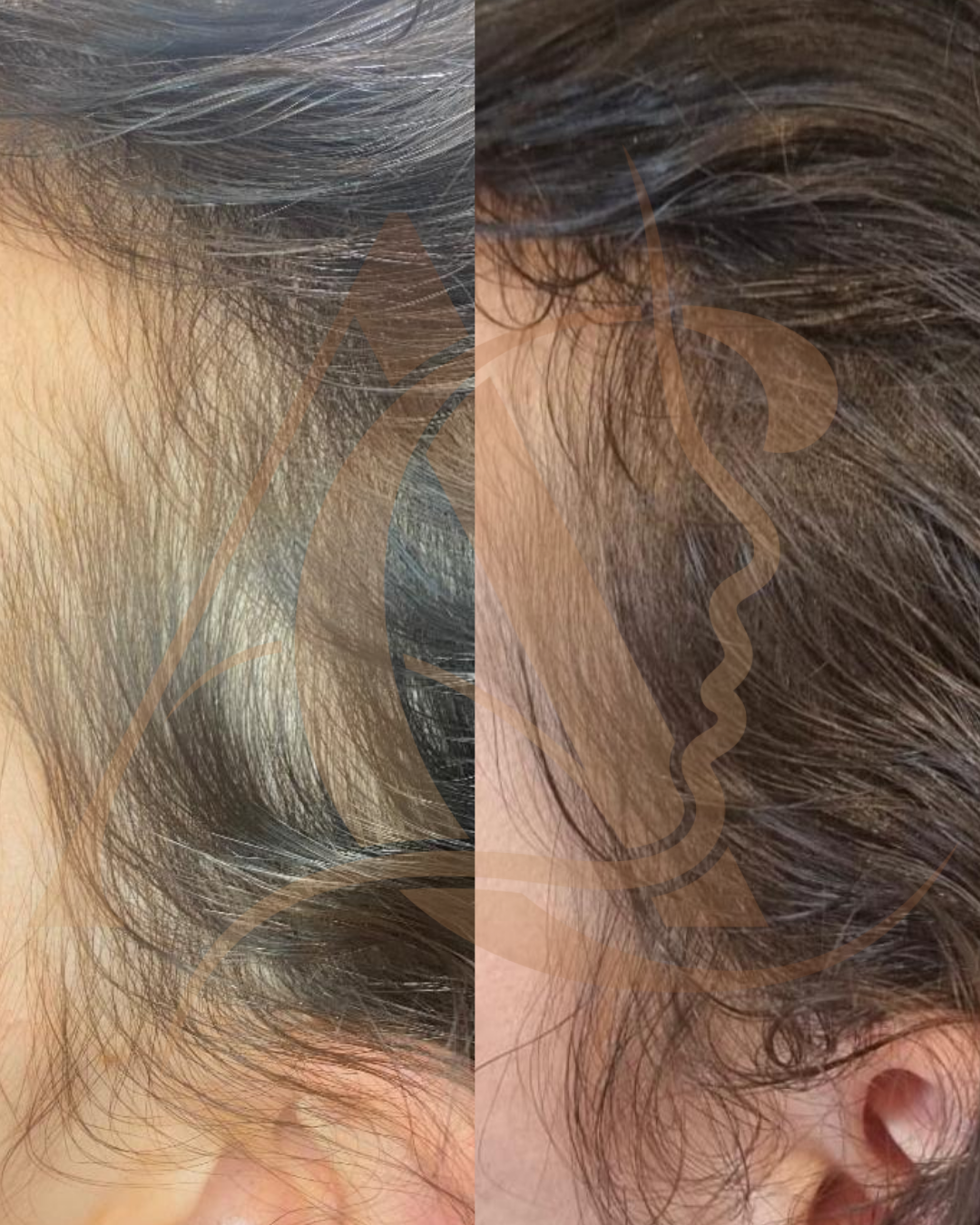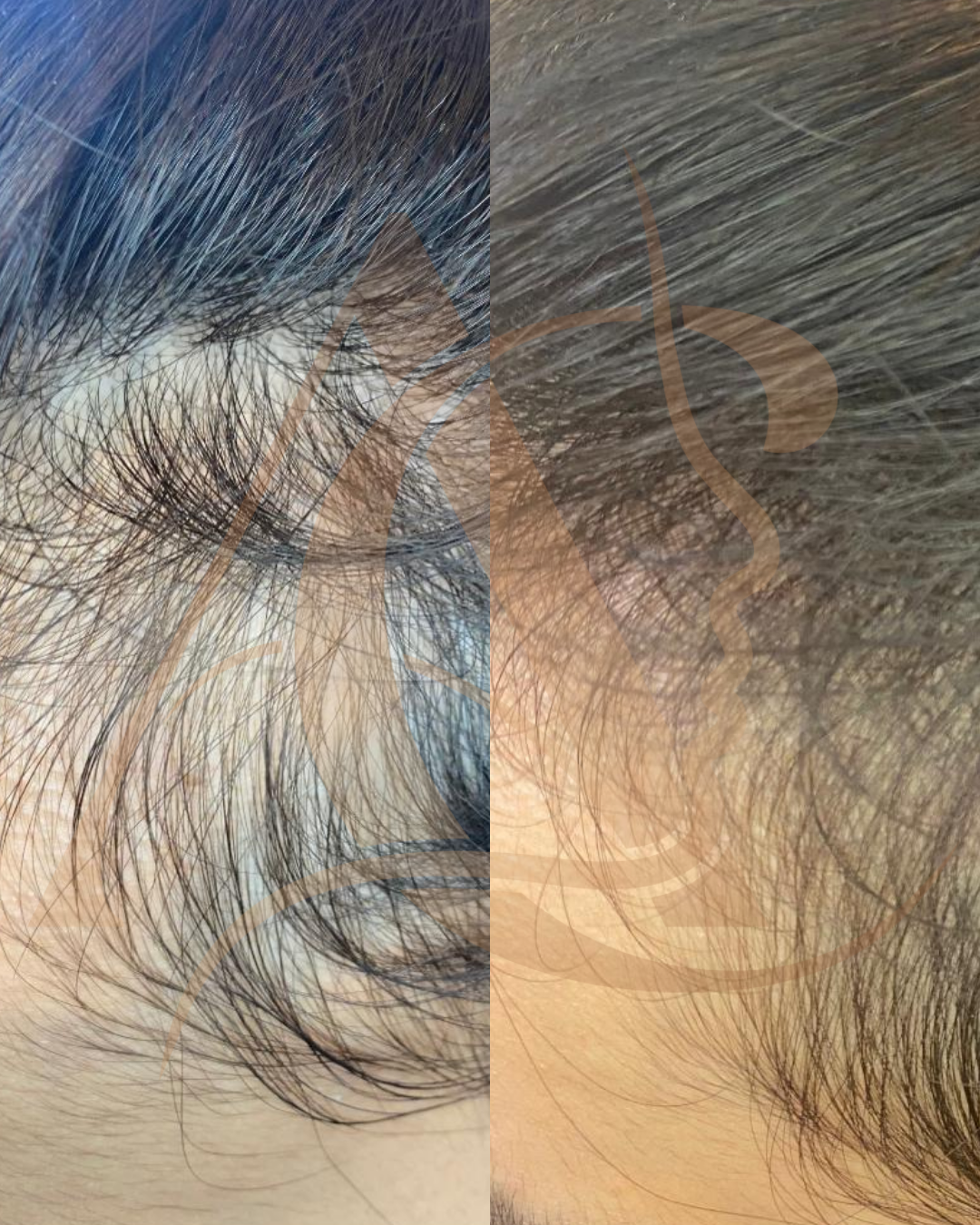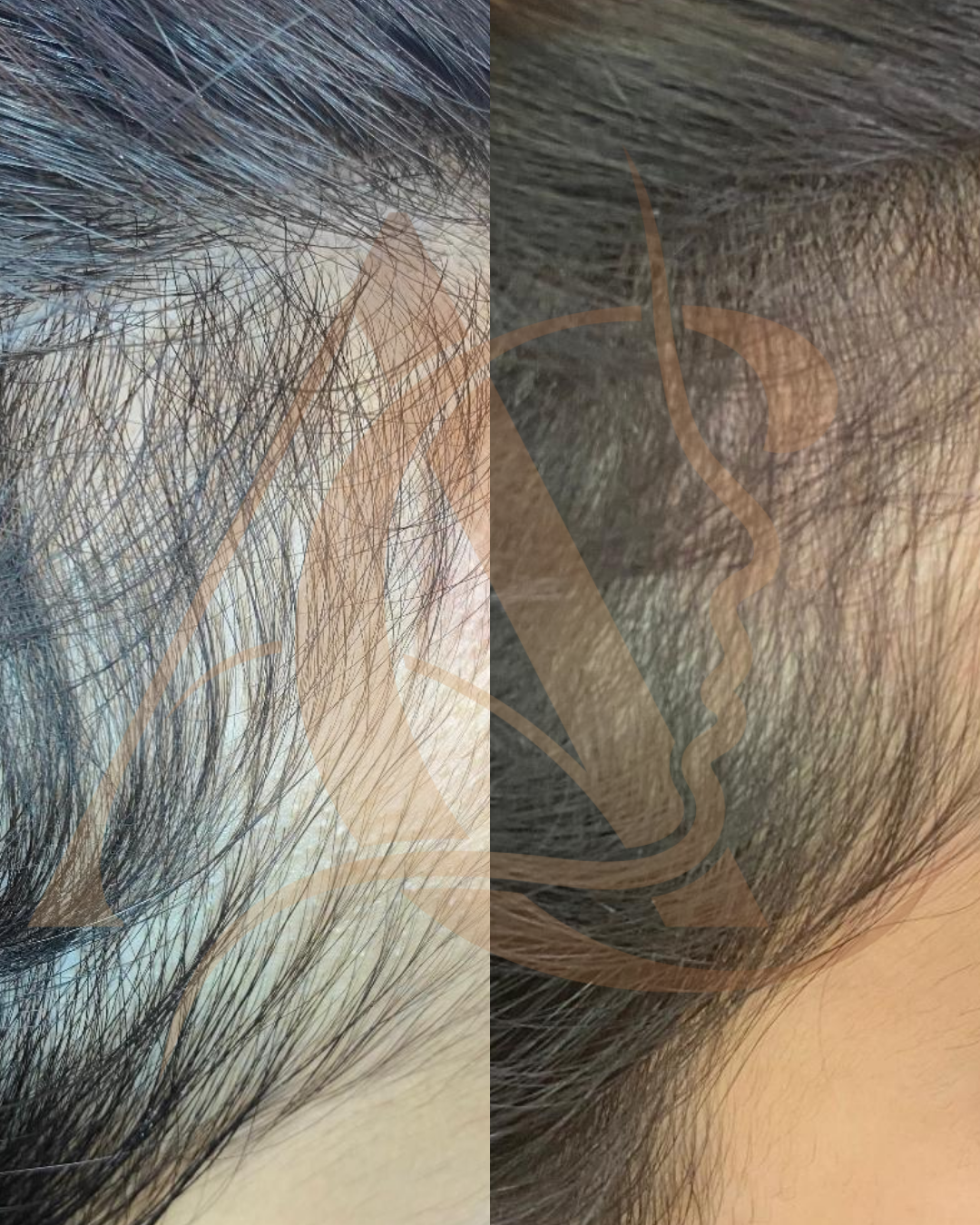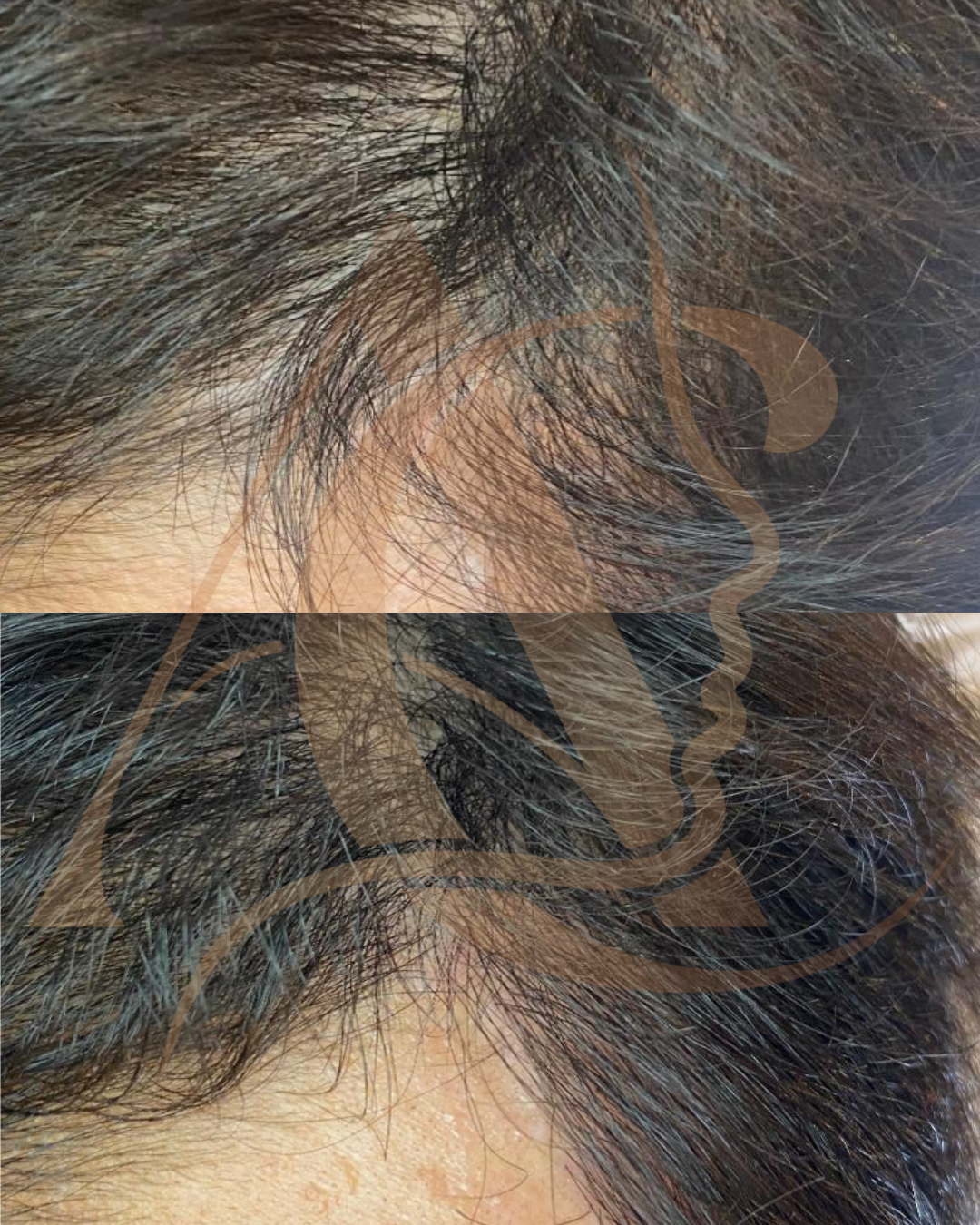
Laser Hair Removal
A safe, clinically proven treatment designed to provide long-term reduction of unwanted hair.
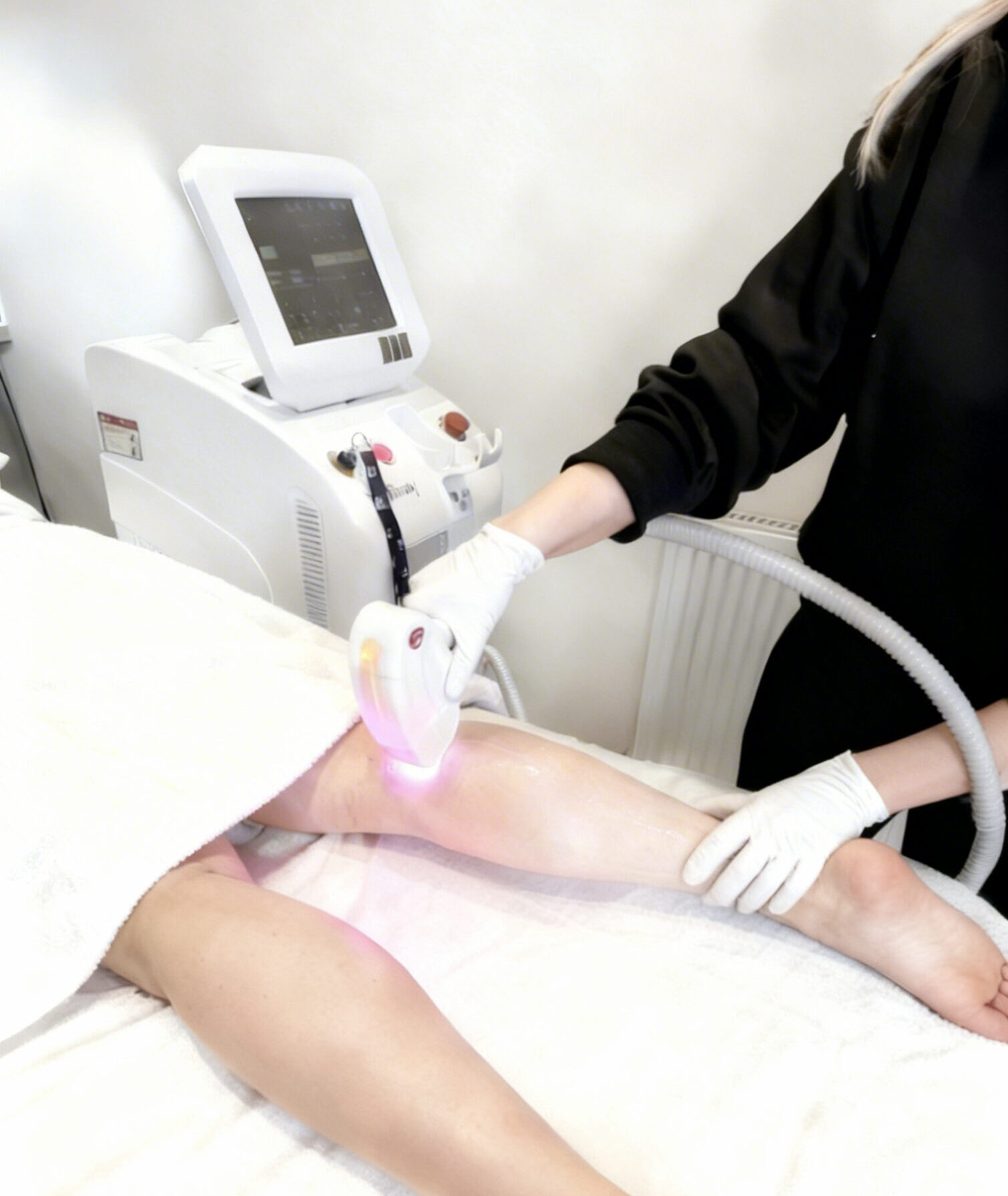
Diode laser targets the pigment within hair follicles
This advanced technology delivers controlled energy that disables the follicle while protecting the surrounding skin. Suitable for many areas of the face and body, diode laser hair reduction offers a precise and effective alternative to traditional methods such as shaving, waxing, or plucking. Treatments are quick and tailored to each client’s skin and hair type, making it an ideal solution for those seeking a more permanent approach to hair reduction.
Benefits
- Long-term hair reduction with progressively finer and slower hair regrowth.
- More precise targeting of hair follicles without damaging surrounding skin.
- Suitable for multiple areas including face, legs, underarms, bikini line, chest, and back.
- Minimal discomfort compared with traditional hair removal methods
- Reduces ingrown hairs and skin irritation associated with shaving or waxing.
- Improves skin smoothness and texture over time.
- Less maintenance compared with frequent shaving or waxing.
- Safe and clinically proven technology when performed by trained practitioners.
- Customisable treatments based on skin type, hair colour, and treatment area.
Mechanisms of
Action
Selective absorption by melanin
The diode laser emits light, which is highly absorbed by melanin, the pigment found in hair. Dark hair contains higher concentrations of melanin, allowing the laser energy to be preferentially absorbed by the hair shaft and follicle.
Conversion of light energy to heat
Once the melanin absorbs the laser energy, it is converted into thermal energy (heat). This heat travels down the hair shaft to the hair follicle and bulb, including the stem cells in the bulge region.
Thermal damage to the follicle
The generated heat causes controlled thermal injury to the follicular structures responsible for hair growth, particularly the dermal papilla and bulge stem cells. This damage disrupts the follicle’s ability to regenerate hair.
Targeting the anagen phase
The treatment is most effective when hairs are in the anagen (active growth) phase, because the hair shaft is fully connected to the follicle and contains the highest melanin concentration. Since hairs grow in cycles, multiple sessions are required to target follicles as they enter the anagen phase.
Gradual hair reduction
Over successive treatments, damaged follicles produce thinner, lighter, and slower-growing hair, and some follicles become permanently inactive, resulting in long-term hair reduction.
Cost of Treatment
Men
Face
- Chin
- Upper Lip
- Sideburns
- Jawline
- Upper Beard
- Lower Beard
- Full Face
- Full Neck
- £30
- £30
- £30
- £30
- £40
- £40
- £60
- £60
Upper Body
- Hands
- Under arms
- Half arms
- Shoulders
- Chest
- Upper Back
- Lower Back
- Abdomen
- Full Arms
- Full Back
- £30
- £50
- £60
- £60
- £60
- £60
- £60
- £60
- £90
- £90
Body Packages
Excludes buttocks & private area
- Torso → Toe
-
Torso → Toe
(3 Sessions) -
Torso → Toe
(6 sessions) - Full Body
-
Full Body
(3 sessions) -
Full Body
(6 sessions)
- £200
- £550
- £1000
- £250
- £700
- £1250
Women
Upper Body
- Hands
- Under arms
- Half arms
- Shoulders
- Chest
- Upper Back
- Lower Back
- Abdomen
- Full Arms
- Full Back
- £30
- £40
- £60
- £60
- £60
- £60
- £60
- £60
- £80
- £80
Body Packages
Excludes buttocks & private area
- Torso → Toe
-
Torso → Toe
(3 Sessions) -
Torso → Toe
(6 sessions) - Full Body
-
Full Body
(3 sessions) -
Full Body
(6 sessions)
- £200
- £550
- £1000
- £250
- £700
- £1250
Frequently Asked Questions
Diode laser hair removal significantly reduces hair growth, but it is not guaranteed to be 100% permanent. After a series of treatments, many people experience long-term hair reduction, with some hair eventually regrowing finer and lighter. Maintenance sessions may be required to sustain results.
The number of sessions required varies depending on factors such as hair type, skin type, and the area being treated. Typically, 6 to 8 sessions spaced 4 to 6 weeks apart are recommended to achieve optimal results, as the laser is most effective during the hair's growth phase (anagen phase).
Yes, diode lasers are suitable for a wide range of skin types, including darker skin tones. The wavelength used by diode lasers allows them to target the hair follicle while minimizing the risk of damage to the surrounding skin. However, the effectiveness may vary, and it's important to consult with a qualified practitioner to determine if diode laser hair removal is right for your skin type.
The level of discomfort varies depending on individual pain tolerance, the area being treated, and the laser settings. Most people describe the sensation as a mild snapping or tingling feeling. Many diode lasers are equipped with cooling systems to minimize discomfort during the treatment.
Diode laser hair removal is most effective on dark, coarse hair because the laser targets melanin (the pigment in the hair). It is less effective on light-coloured hair, such as blonde, grey, or red hair, as these colours contain less melanin.
Generally, it is still safe to undergo treatment during menstruation. Although, under this circumstance your pain tolerance or sensitivities may be affected. We advise not to have laser treatments on your intimate areas during this time.
It is generally recommended to avoid diode laser hair removal if you have a tan, as the increased melanin in your skin can increase the risk of side effects like burns or pigmentation changes. It's best to wait until your tan fades before undergoing treatment.