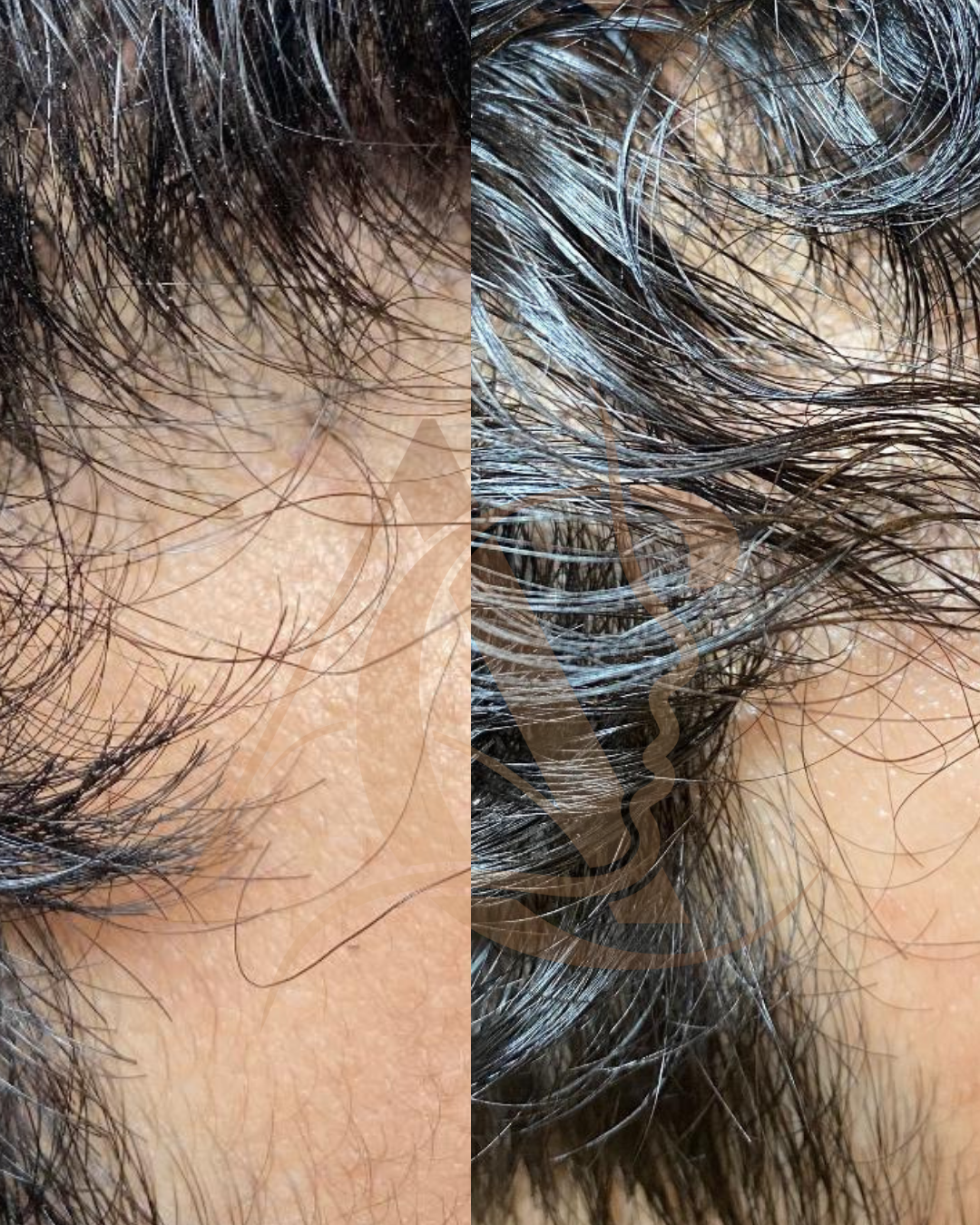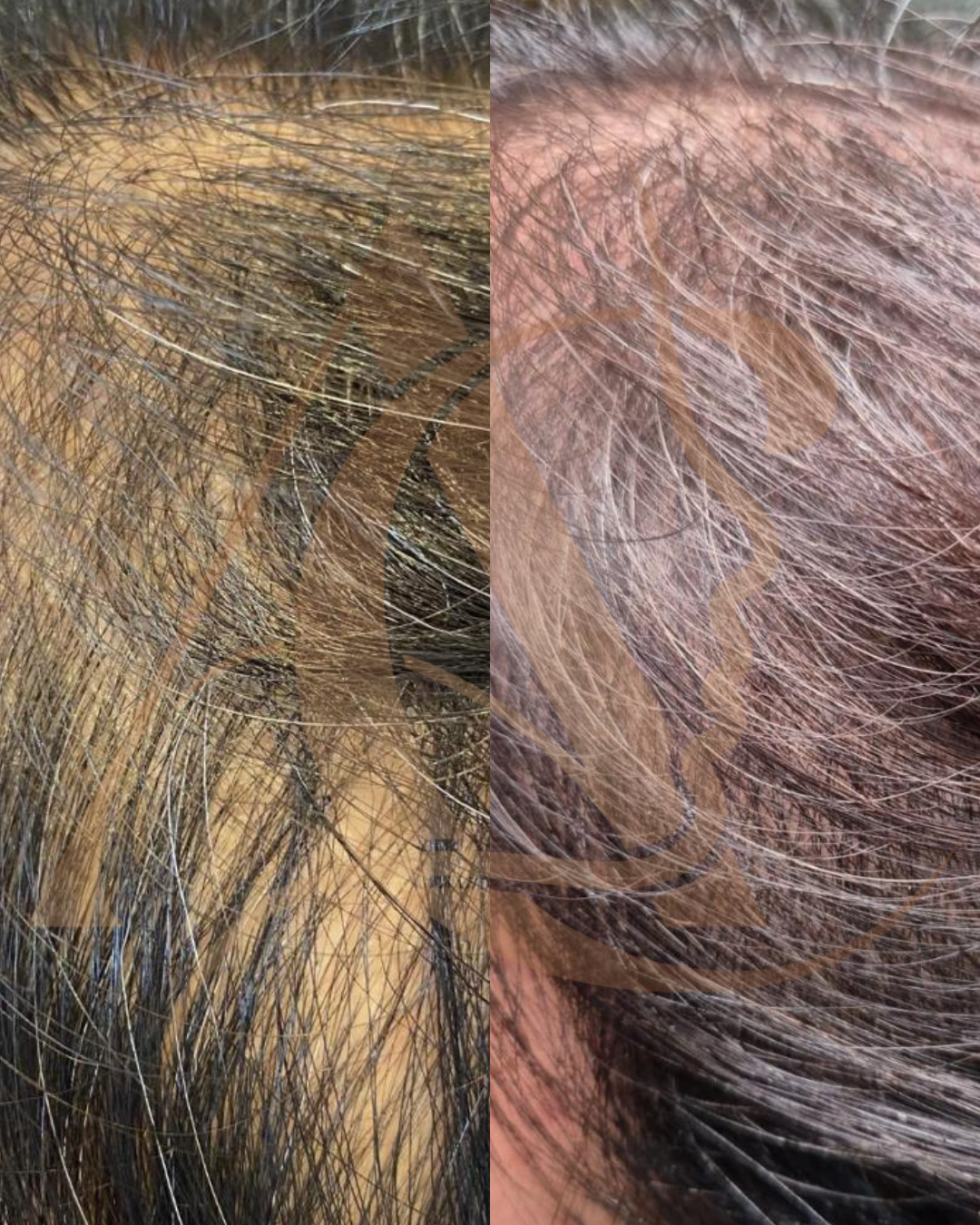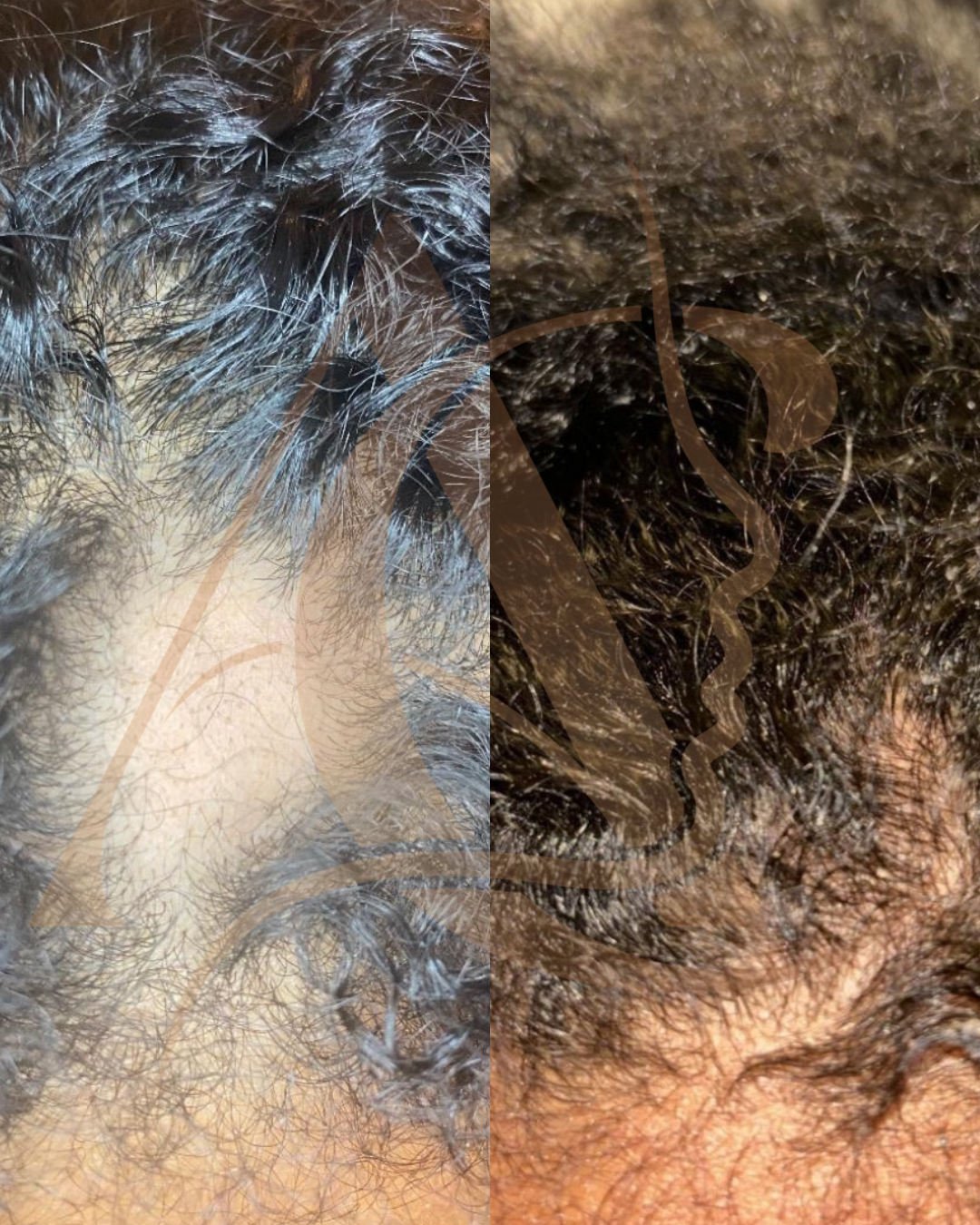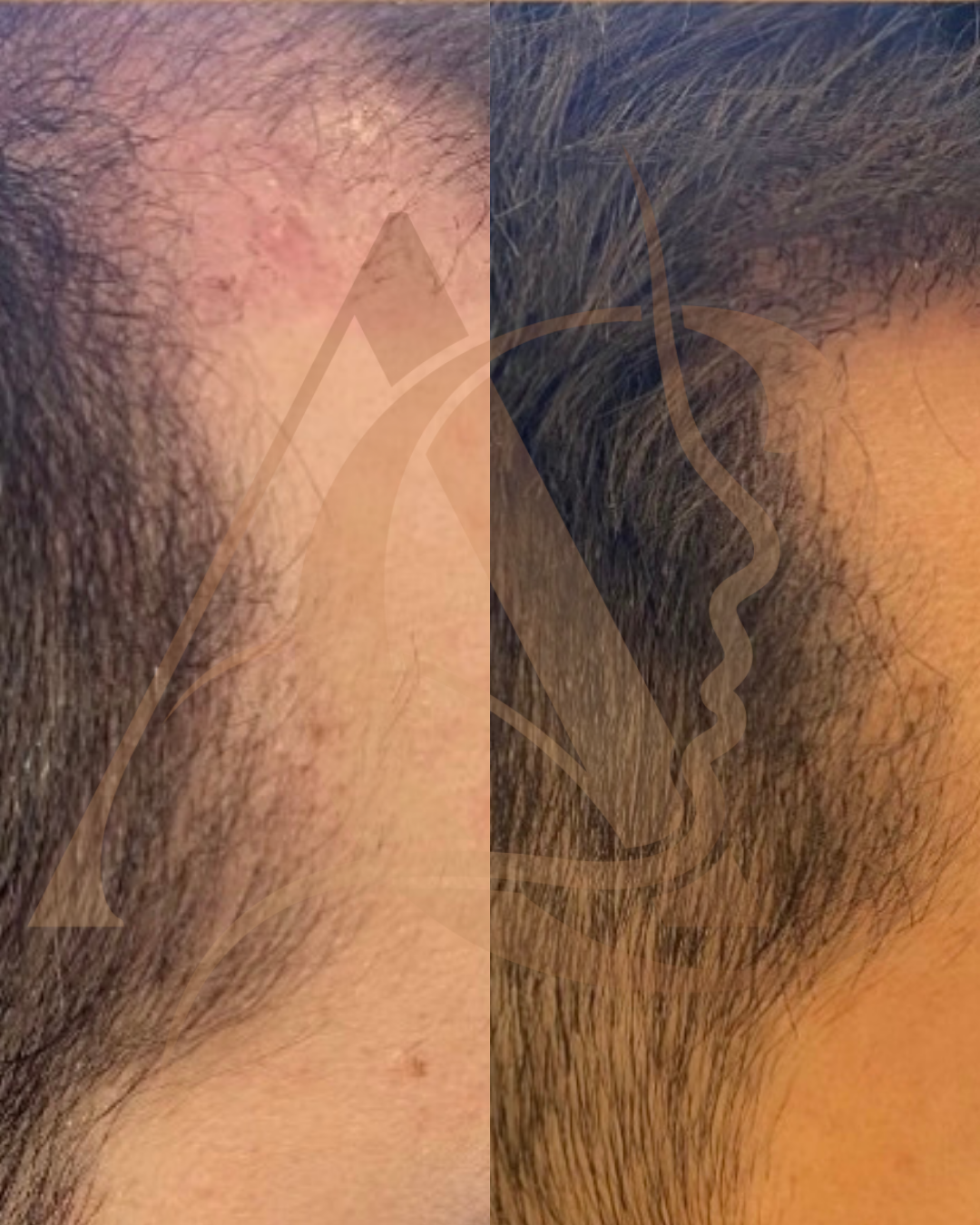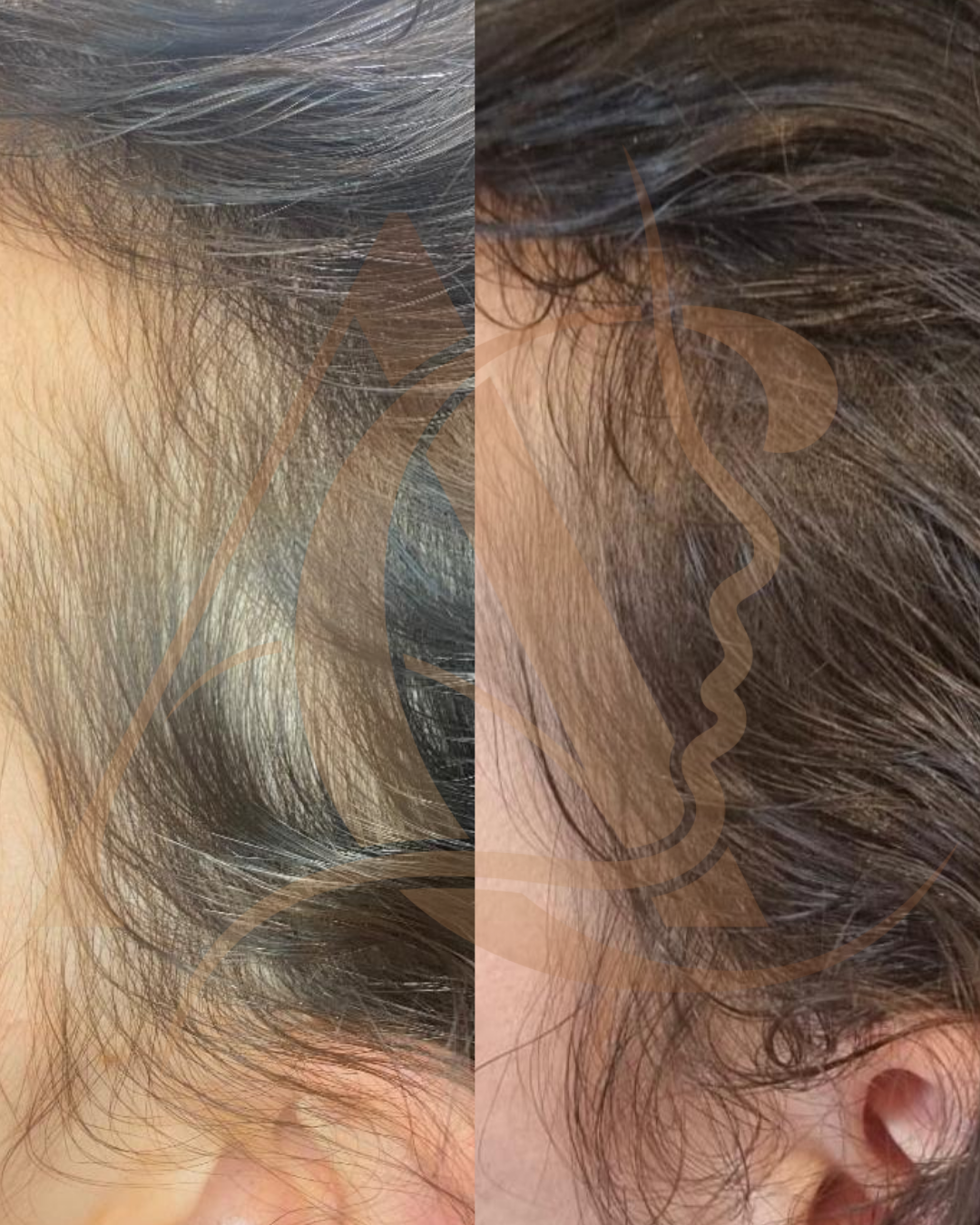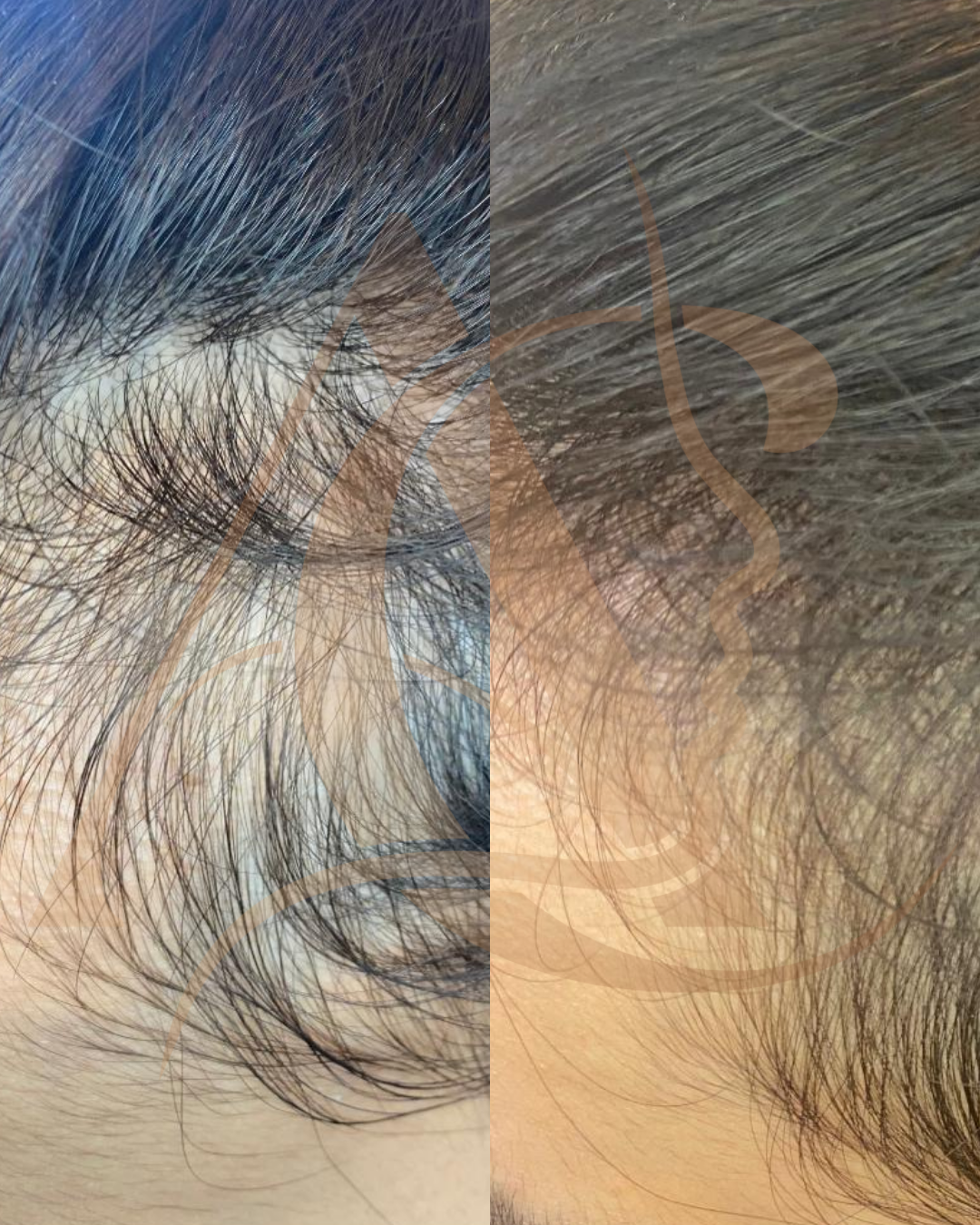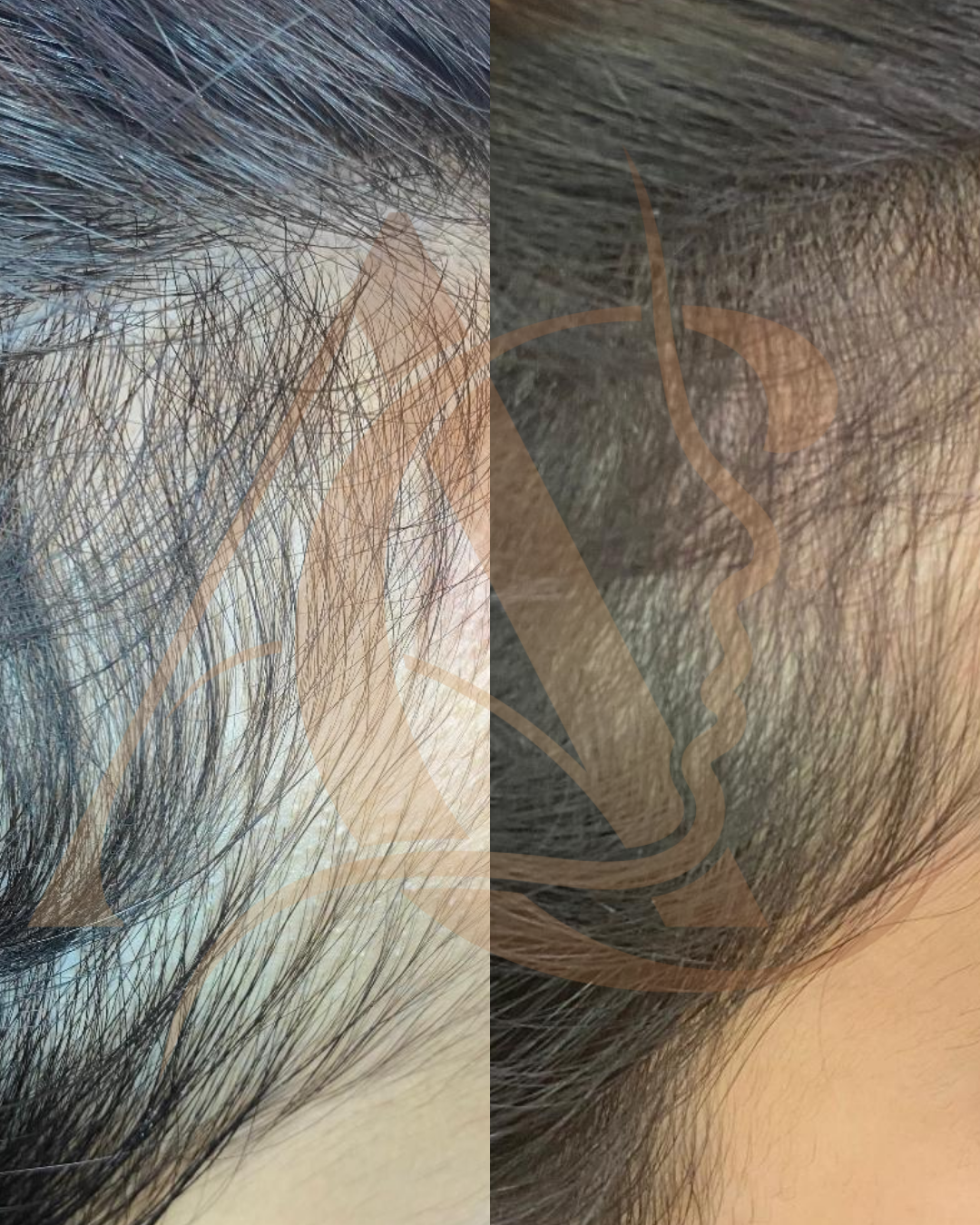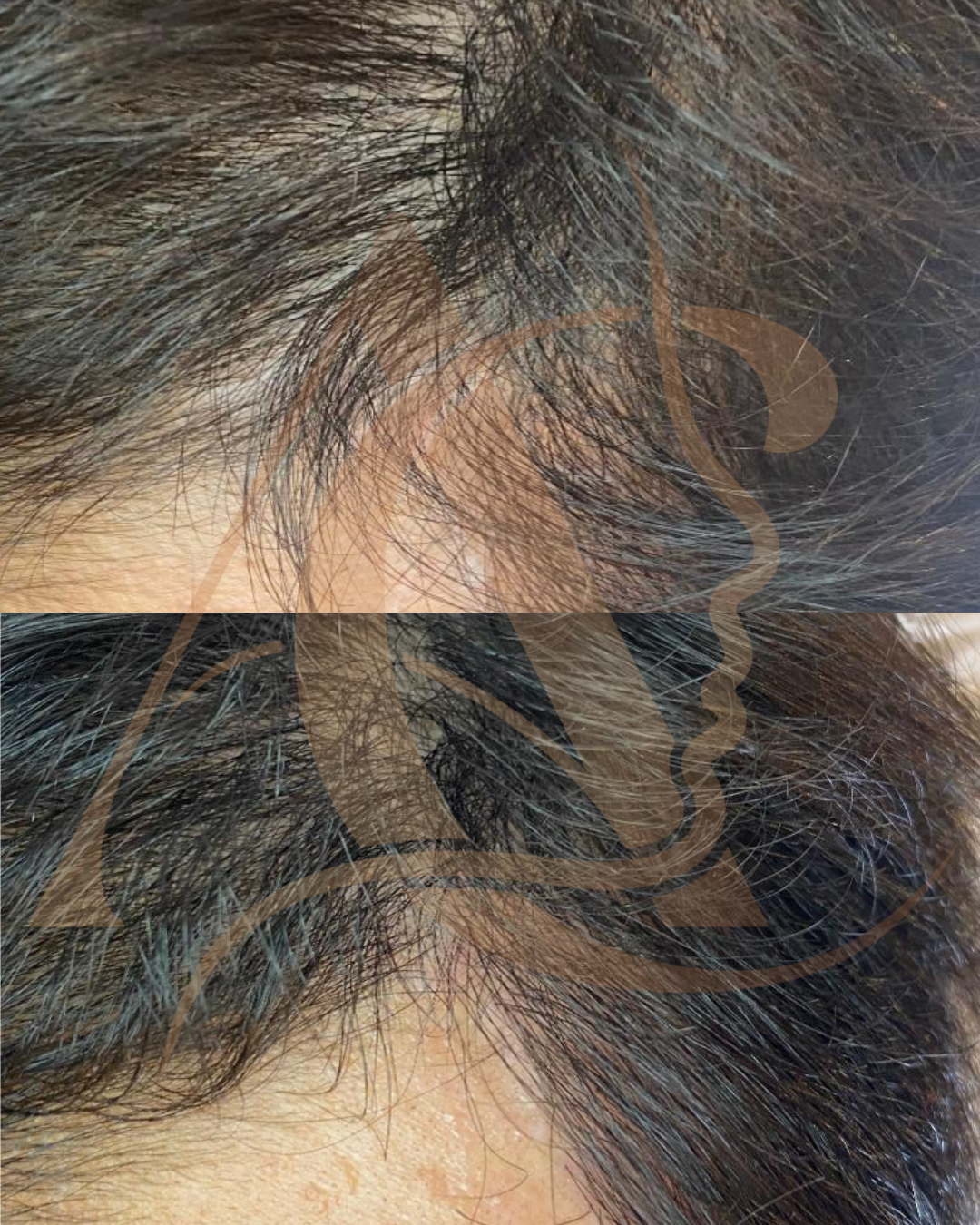
Electrolysis Hair Removal
Blended electrolysis is an advanced permanent hair removal technique that combines galvanic and thermolysis technologies to effectively destroy hair follicles with precision, comfort, and lasting results.
The electrolysis treatments do not currently take place at our Luton clinic.
This service is performed in Maulden (~11 miles from Luton) by our Senior Beauty Therapist at Woodland Skin Clinic.
Blended Electrolysis is a method of permanent hair removal that combines two different electrolysis techniques: thermolysis (aka high-frequency electrolysis) and galvanic electrolysis. The combination of both methods enhances the effectiveness in destroying hair follicles. While the process may induce mild discomfort, our attentive team prioritises your comfort.
Blended electrolysis is an advanced permanent hair removal technique that combines galvanic and thermolysis technologies to effectively destroy hair follicles with precision, comfort, and lasting results.
Mechanisms of
Action
Dual-modality action
Combines galvanic (chemical) and thermolysis (heat) methods for enhanced follicular destruction.
Galvanic current:
Produces sodium hydroxide (lye) within the follicle through electrolysis, chemically decomposing follicular tissue.
Thermolysis current
Delivers high-frequency alternating current to generate localized heat, denaturing follicular proteins.
Synergistic effect
Heat accelerates the chemical reaction of the lye, increasing the efficiency and depth of follicle destruction.
Precision targeting
A fine probe delivers energy directly into the hair follicle, minimizing damage to surrounding skin.
Permanent outcome
Effectively destroys the regenerative cells responsible for hair growth, preventing regrowth. Multiple sessions are required to achieve permenant hair removal.
Benefits
- The combination of heat and chemical action makes this treatment more effective for a wider range o skin and hair type, particularly for coarse or resistant hairs.
- The combination of thermolysis and galvanic electrolysis achieves faster results than using either method individually.
- Suitable for all skin and hair types, including those that are difficult to treat with other hair removal methods.
- Blended electrolysis offers permanent hair removal by effectively destroying the hair follicle.
Time
- Healing
- 1-3 days
Frequently Asked Questions

The level of discomfort varies from person to person. Some individuals may feel a slight tingling or stinging sensation during the procedure. To minimise discomfort, a topical anaesthetic may be applied before treatment.
The duration of a blended electrolysis session depends on the size of the treatment area and the density of the hair. Sessions can range from 15 minutes to an hour or more. Multiple sessions are typically required to achieve complete hair removal.
Common side effects include redness, swelling, and temporary skin irritation at the treatment site. These typically subside within a few hours to a few days. Rare side effects include scarring or pigmentation changes, which are usually minimised by following aftercare instructions.
Yes, one of the advantages of blended electrolysis is that it is effective on all hair types and colours, including fine, light, or grey hairs that may not respond well to laser hair removal.
There is typically no significant downtime after blended electrolysis. Most people can return to their normal activities immediately. However, it is recommended to avoid activities that may irritate the skin, such as swimming in chlorinated pools, hot tubs, and strenuous exercise, for 24-48 hours after treatment.
Blended electrolysis is considered a permanent hair removal method because it destroys the hair follicles, preventing future hair growth. However, because hair grows in cycles, multiple sessions are necessary to target all hair follicles during their active growth phase.
Yes, blended electrolysis can be used on sensitive skin, but it’s important to consult with the electrologist beforehand. They can adjust the treatment settings to minimise irritation and ensure the procedure is as comfortable as possible for those with sensitive skin.