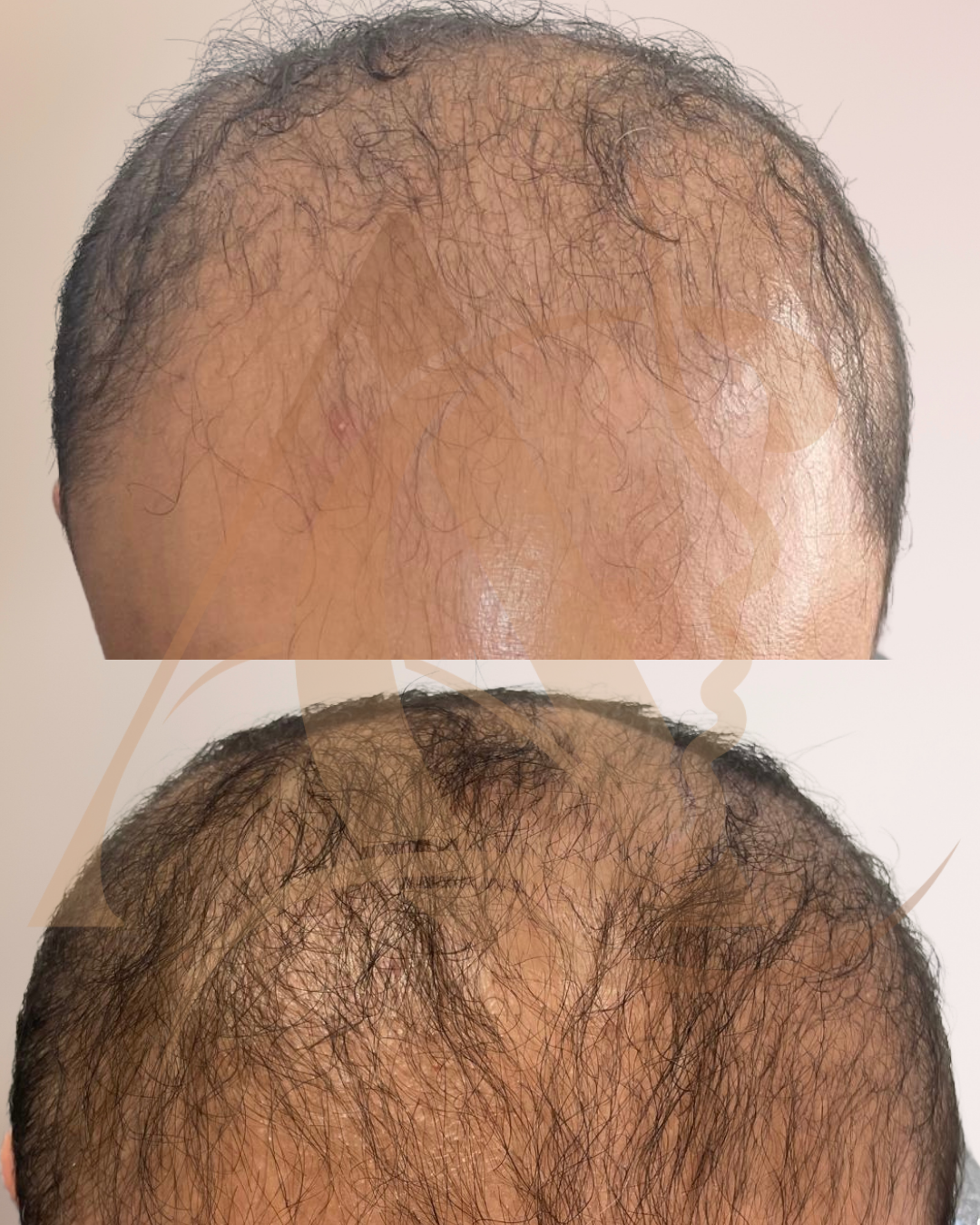
PRP for Joints & Soft Tissue
Utilising PRP therapy to promote healing and reduce inflammation in joints and soft tissue injuries.
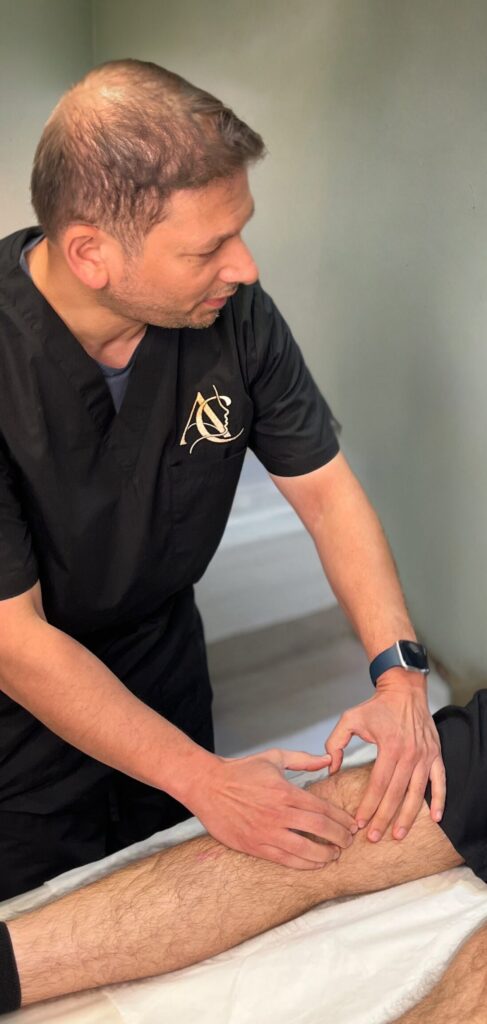
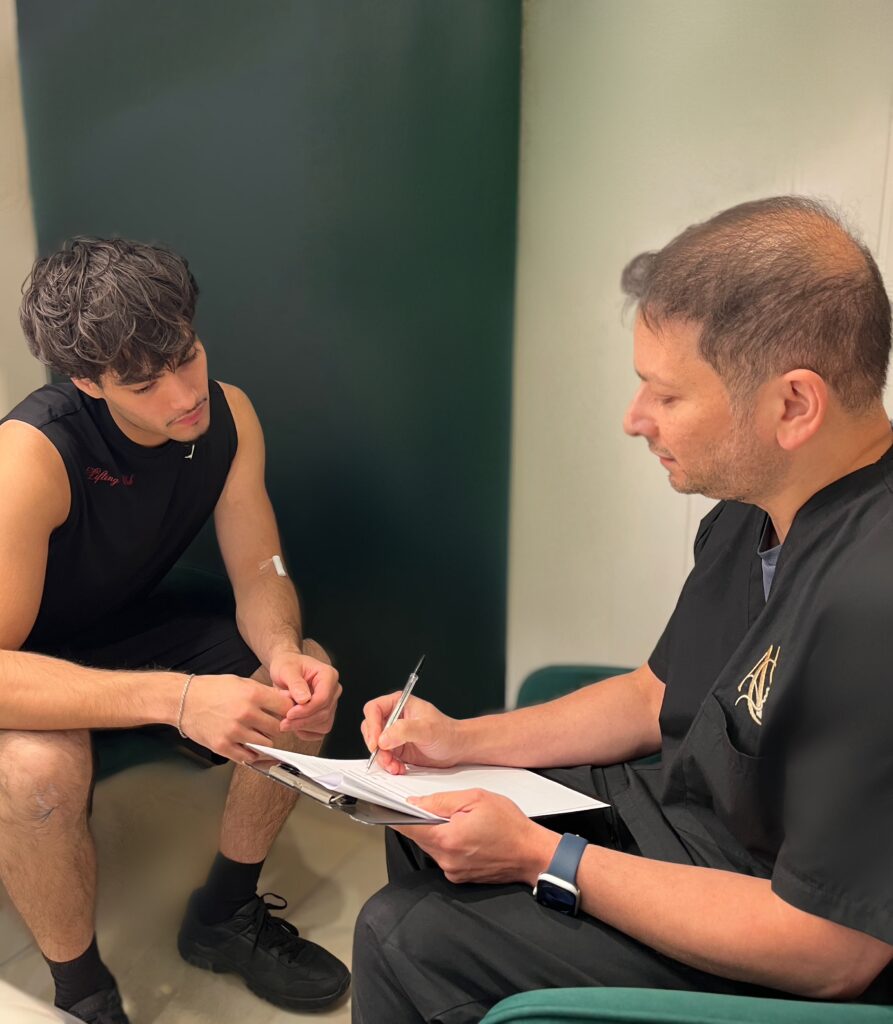
This service is performed by our GMC-registered Doctor with over 25 years of extensive experience in General Medicine, Minor surgeries & Type 2 Diabetes. Dr Mazhar has been specialising in Musculoskeletal Health (MSK) with joint & soft tissue injections for over 15 years. His patient-centred work ethos is to offer safe, effective and evidence-based treatments to support patients health and long-term wellbeing.
Why PRP?
Platelet-Rich Plasma therapy has gained attention in the field of orthopaedics for its potential to treat joint and soft tissue disorders including injuries. PRP is a natural approach to harness the body’s own healing capabilities.
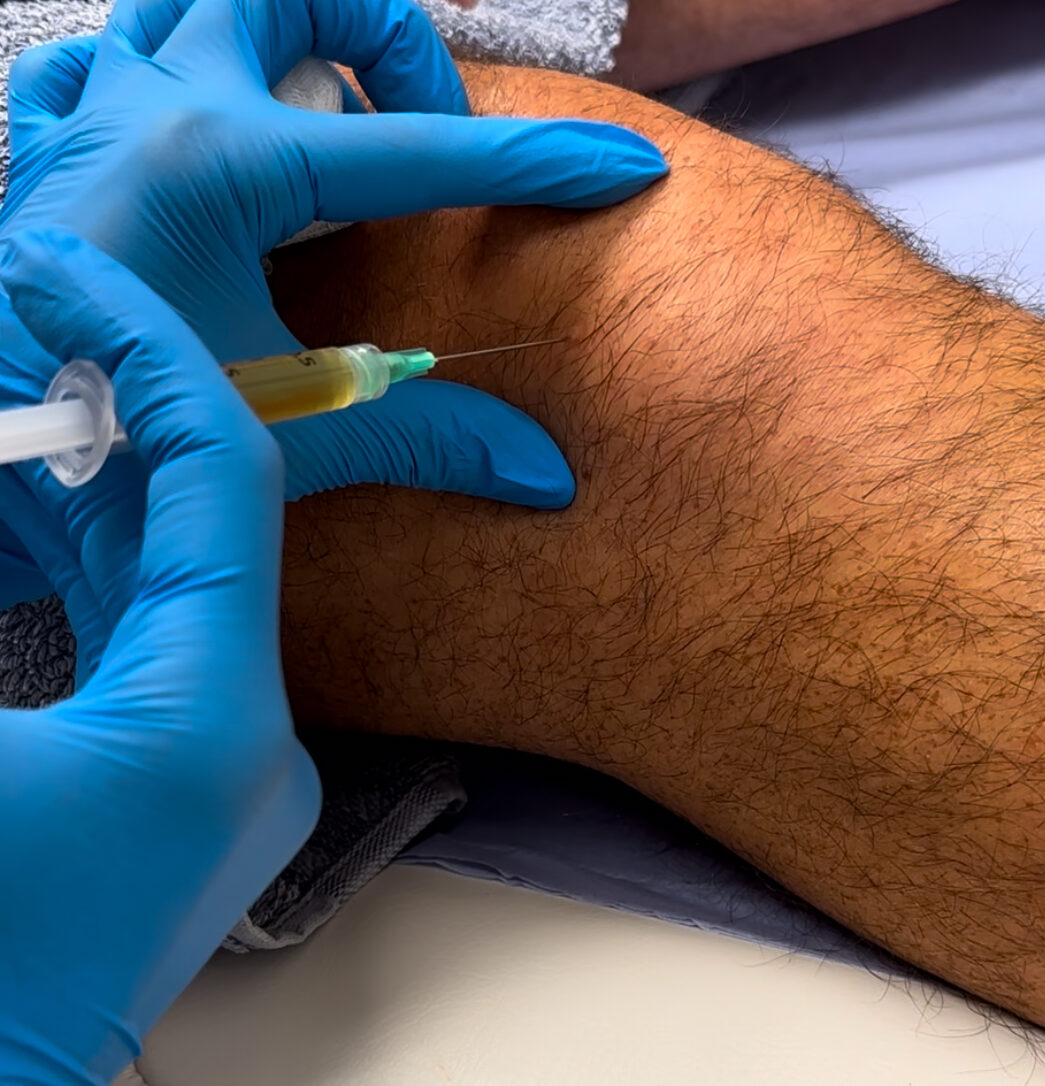
A small amount of your blood is taken and processed in a centrifuge to concentrate the platelets, and then carefully injected into the affected joint or soft tissue.
Platelets are rich in growth factors and healing proteins, causing:
- Stimulate natural tissue repair
- Reduce inflammation
- Improve blood supply to the area
- Can help promote healing of tendons, ligaments, cartilage, and soft tissues
PRP can be an effective option for patients looking to reduce pain, improve mobility, and potentially avoid or delay joint/soft tissue surgery (depending on the diagnosis and severity). It may also help promote post-operative healing.
Results may vary between individuals and can require multiple sessions to achieve optimum affect.
Clients are always recommended to consult with their doctor/specialist to discuss potential benefits, risks and suitability or this treatment.
Types of Conditions
- Shoulder
- Pain due to rotator cuff tears (managed conservatively)
- Rotator cuff tendinitis
- Impingement syndrome
- Knee
- Knee pain due to osteoarthritis
- Cruciate ligament injuries (treated conservatively)
- Patellofemoral arthritis
- Elbow
- Tennis elbow
- Golfer’s elbow
- Elbow joint arthritis
- Ankle & Foot
- Heel pain due to plantar fasciitis
- Ankle pain caused by osteoarthritis
- Hand & Wrist
- Thumb pain due to De Quervain’s tendinitis
- Wrist pain due to mild to moderate carpal tunnel syndrome
- Trigger finger
- Hip
- Hip pain caused by trochanteric bursitis
- Minor Procedures
- Wedge excision for ingrown toenails (where there is no underlying fungal or bacterial infection)
Mechanisms of
Action
1. Growth-Factor Release
PRP releases a mix of growth factors such as platelet-derived growth factor (PDGF), transforming growth factor (TGF), and vascular endothelial growth factor (VEGF) that promote cell proliferation, tissue repair, and regeneration.
2. Improved Blood Supply
PRP promotes the formation of new blood vessels, improving oxygen and nutrient delivery to injured tissues, which accelerates healing.
3. Collagen Synthesis
Growth factors in PRP enhance fibroblast activity and collagen production, contributing to stronger and more organised extracellular matrix formation in soft tissues.
4. Anti-inflammatory Effects
PRP modulates the inflammatory response by reducing pro-inflammatory cytokines and promoting anti-inflammatory mediators, which can decrease pain and swelling in joint and tendon injuries.
5. Stem Cell Recruitment and Activation
PRP attracts mesenchymal stem cells (MSCs) and supports their differentiation into relevant cell types, aiding in the repair of cartilage, tendon, and ligament tissue.
6. Cartilage Protection and Regeneration
In joint applications, PRP may help slow cartilage degradation and stimulate cartilage maintenance and regeneration.
Frequently Asked Questions
This treatment can be used on various parts of the body, including:
- Abdomen: To strengthen and tone the core muscles, helping to achieve a flatter stomach.
- Buttocks: To lift, firm, and tone the gluteal muscles for a more sculpted appearance.
- Thighs: To enhance muscle tone and reduce fat in the upper legs.
- Arms: To build muscle and reduce fat in the upper arms, helping to combat "bat wings."
- Pelvic Floor: Improves core stability and control. Also helps reduce urinary incontinence.
Individuals who are close to their ideal weight but are looking to enhance muscle tone and reduce stubborn fat in specific areas. It is particularly effective for those who want to improve muscle definition and achieve a more sculpted physique. However, it may not be suitable for individuals with significant fat deposits or those seeking major weight loss.
Yes, body contouring is considered a safe and non-invasive procedure with minimal risk of complications. It has been cleared by the FDA for muscle building and fat reduction. As with any medical procedure, it’s important to consult with a qualified practitioner to ensure it is appropriate for your individual health and fitness goals.
The treatment is generally well-tolerated, but it may feel intense due to the strong muscle contractions induced by the electromagnetic pulses. Most people describe the sensation as similar to a deep muscle workout. There is no need for anaesthesia, and the discomfort is typically manageable. After the treatment, there may be some muscle soreness, like what you might experience after a vigorous exercise session.
A typical HIFEM body contouring session lasts about 30 minutes per treatment area. The total time may vary depending on the number of areas being treated in one session.
Most individuals require a series of 6 to 8 sessions, spaced about 2 to 3 days apart, to achieve optimal results. However, the exact number of sessions needed can vary based on individual goals, the area being treated, and your body’s response to the treatment.
Some people begin to see improvements in muscle tone within 2 to 4 weeks after starting their treatment plan. The full results typically become more apparent over the following 2 to 3 months as the muscles continue to strengthen and fat is metabolised by the body.
While body contouring can significantly enhance muscle tone and fat reduction, it is not a replacement for regular exercise and a healthy diet. The treatment is most effective when combined with a fitness regimen and a balanced diet to maintain long-term results.
Individuals with certain medical conditions, including: Pregnancy: The effects on pregnant women are not well-studied, so it is generally avoided during pregnancy. Implanted metal devices: People with pacemakers, metal implants, or other electronic devices should also avoid body contouring, as the electromagnetic energy can interfere with these devices. Severe muscle injuries: Those with acute or severe muscle injuries should consult their doctor before undergoing this treatment.